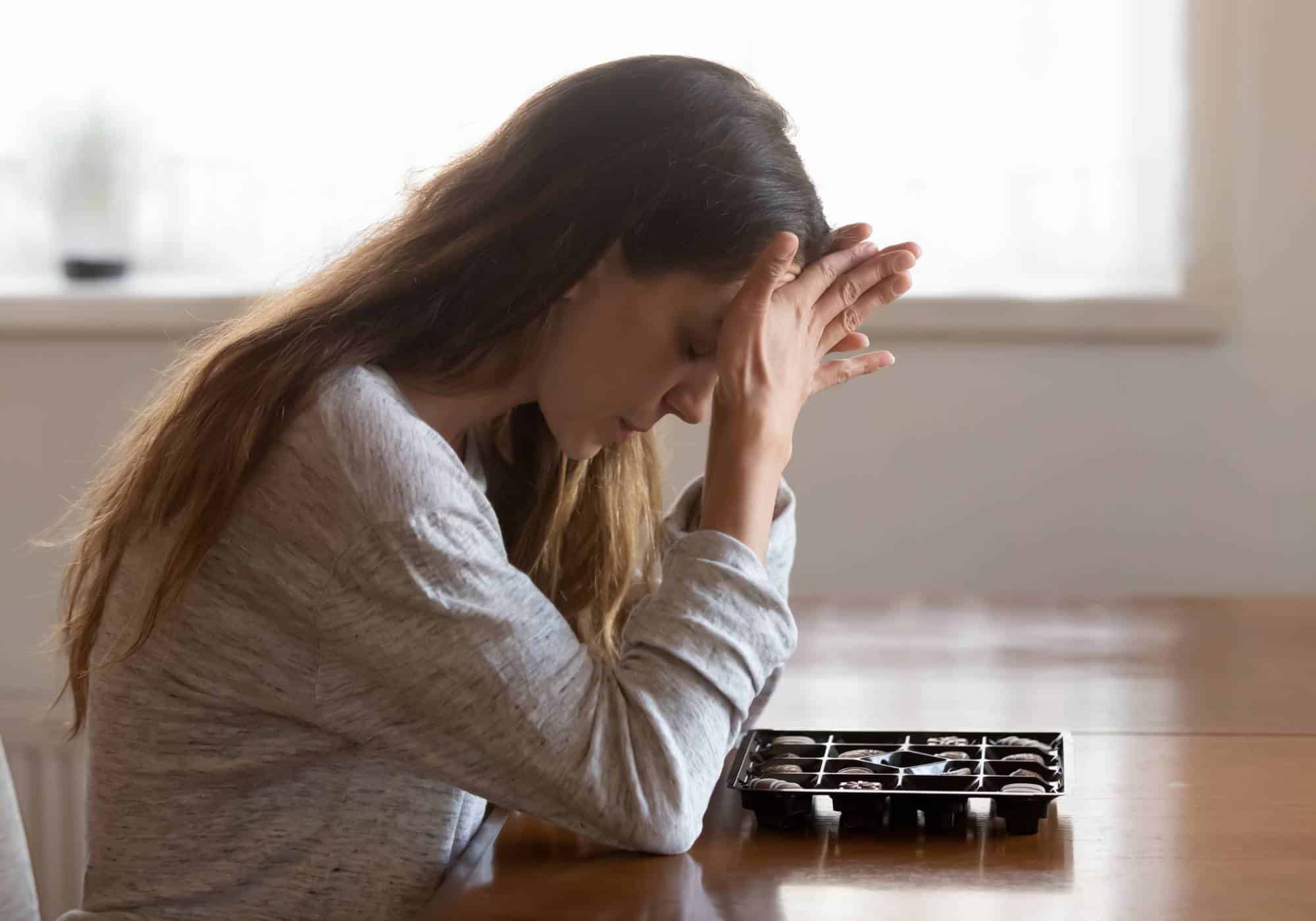


It is a common sight in movies or on television: a character casually taking a sleeping pill to get through a long flight or a stressful night. But what begins as a simple solution can quickly turn into a serious dependency. Just like any other mind-altering substance, it is easy to fall into a pattern of misuse, which means that any reliance you develop on sleeping pills can go unnoticed until it becomes a full-blown addiction, both physically and emotionally. The damage incurred by frequently taking sleeping pills can have continuous, even long-term consequences, increasing the risk of sleeping pills addiction and all the side effects that come along with it.
At Hope Harbor Wellness, we understand the discreet and often isolating nature of sleeping pill dependency. Our team is here to help you navigate the complexities of this condition and provide a path to reclaiming your natural sleep and a healthier life, contact us today at 770-573-9546 or fill out our online contact form. We believe in compassionate care that addresses the root causes of addiction, allowing you to heal and build a strong foundation for recovery.
What Is Sleeping Pill Addiction?
An addiction to sleeping pills is a chronic condition that occurs when your body adapts to the changes that sleeping pills make in the brain. Over time, the brain becomes so accustomed to the presence of the medication that it struggles to function without it, leading to the development of painful and uncomfortable withdrawal symptoms when you try to stop taking the pills. The most common types of sleeping pills, like benzodiazepines, work by attaching to the brain’s GABA receptors, which are responsible for calming the nervous system and inducing relaxation. While this can provide short-term relief from insomnia, it can also lead to a dangerous cycle of increasing your dosage to counteract your body’s growing tolerance. This tolerance is often accompanied by an emotional reliance on the drug, where a person feels they are incapable of sleeping or coping with stress without it.
The three primary types of sleeping pills that are known to be highly addictive are:
- Zaleplon: This is a hypnotic drug, often sold under the brand name Sonata, that is designed for short-term use.
- Zolpidem: Commonly known by the brand name Ambien, this medication is a sedative-hypnotic that can lead to rapid dependency and has a high potential for misuse.
- Zopiclone: This drug is a non-benzodiazepine hypnotic that is intended for short-term use to treat insomnia.
How Does Sleeping Pill Addiction Develop?
An addiction to sleeping pills will usually begin after a period of continuous use, sometimes as short as just seven days, or after a person starts taking a higher dosage of the pills than what was needed or prescribed. Of course, this timeline will vary from person to person depending on their individual biology and history.
More often than not, addiction to sleeping pills stems from using the medication as a coping mechanism. A person may initially turn to them to address a specific issue like a bout of insomnia. However, they soon discover that the pills also provide a sense of calm and relief from underlying mental health issues like anxiety or depression. This creates a powerful link in the brain between the drug and a feeling of peace, reinforcing the use. Because the pills offer a quick and easy way to quiet the mind, a person may begin to rely on them to manage daily stress, not just to sleep. This is why seeking professional help for addiction to sleeping pills is the best option—it allows for the underlying issues to be addressed, which is the only way to find true and lasting recovery.
The Vicious Cycle of Sleeping Pill Addiction
The journey from casual use to full-blown addiction is a progressive and often unseen cycle. It begins with tolerance, where a person needs more of the drug to get the same effect. The body has become so efficient at metabolizing the substance that the initial dose no longer works. This leads a person to take more pills than prescribed or to use them more frequently. As the use escalates, so does the body’s dependence, where it now relies on the drug to function. This is when withdrawal symptoms begin to emerge whenever a person tries to stop.
The psychological dependency is also a powerful force in this cycle. A person may develop an intense fear of insomnia, which is a common symptom of withdrawal. This fear can become so overwhelming that it drives them to continue using the pills, not for pleasure, but simply to avoid the discomfort of not being able to sleep. This creates a psychological trap that is difficult to escape without professional intervention. The person is no longer in control; the addiction has taken over. This cycle of tolerance, dependency, and withdrawal is a hallmark of sleeping pills addiction and is what makes it a chronic disease.

Symptoms of Sleeping Pill Addiction
Along with intense cravings, a person with a dependency on sleeping pills may experience a wide range of symptoms that arise from their addiction. These symptoms can occur when they are abstaining from the pills, but they can also be present even when they are using. In some cases, people who are addicted to sleeping pills may experience a paradoxical effect, where they feel tired and drowsy all day, rather than just at night, due to their body’s reliance on the substance.
Common symptoms of sleeping pill addiction include:
- Drowsiness and Confusion: A person may seem perpetually tired and have a hard time thinking clearly, as if in a fog. They may struggle with basic tasks and seem disoriented.
- Memory Loss: Chronic use of sleeping pills can lead to short-term memory loss, where a person cannot remember conversations or events that have occurred. This can be alarming and can have a significant impact on their daily life.
- Incoherent Speech: A person may slur their words or speak in a rambling, difficult-to-understand way, as their brain is being slowed down by the medication.
- Hallucinations: In some cases, a person may experience visual or auditory hallucinations, where they see or hear things that are not there. This is a serious symptom that requires immediate medical attention.
- Mood Swings: A person may experience rapid and unexplained mood swings, ranging from extreme irritability to deep sadness.
- Bad Dreams: The use of sleeping pills can disrupt the natural sleep cycle, leading to vivid and disturbing nightmares.
- Physical Instability: A person may be uncoordinated, unsteady on their feet, or prone to stumbling. They may also experience tremors or uncontrollable shaking, especially when not using the drug.
Who Can Develop a Sleeping Pill Addiction?
Anybody can develop an addiction to sleeping pills, regardless of their gender, age, race, or socio-economic status. Addiction does not discriminate. However, there are a few key factors that can contribute to a person’s vulnerability, which can differ between different personalities and backgrounds.
- Genetic Predisposition: A person’s genes account for about half of their risk for developing an addiction. If there is a history of substance abuse in the family, a person may be more susceptible to dependency. This is not a guarantee of addiction, but it does increase a person’s vulnerability.
- Environmental Factors: A person’s environment can play a significant role in their risk for addiction. Factors such as exposure to substance use at an early age, a lack of a stable home environment, or a history of trauma can all increase a person’s vulnerability.
- Underlying Mental Health Issues: As mentioned before, a person may turn to sleeping pills to self-medicate for a mental health condition like anxiety, depression, or an eating disorder. This co-occurrence of a mental health disorder and a substance use disorder is very common and requires a dual-diagnosis approach to treatment.
The Long-Term Health Consequences of Sleeping Pills Addiction
The health consequences of sleeping pills addiction can be severe and life-altering, extending far beyond the initial dependence. While the short-term effects are dangerous, the long-term impact on the body and brain can be catastrophic.
Chronic use of sleeping pills can lead to a host of physical health issues. The continuous pressure on the liver and kidneys can lead to long-term damage to these vital organs. The body’s cardiovascular system can also be affected, with an increased risk of heart problems and blood pressure issues. The constant sedation can also lead to respiratory problems, as the body’s natural breathing rhythms are suppressed. For individuals who are using the pills with alcohol or other substances, the risk of overdose and death is dramatically increased.
The neurological and psychological consequences are just as severe. Chronic use can lead to permanent damage to a person’s memory and cognitive function. The brain’s natural ability to regulate sleep and wakefulness is often lost, leading to chronic and debilitating insomnia even after a person has stopped using the drug. The emotional reliance on the pills can also cause a person to feel a deep sense of helplessness and despair, making them more vulnerable to depression and anxiety.
Co-occurring Disorders: The Link Between Mental Health and Sleeping Pill Addiction
It is rare for a person to struggle with a sleeping pills addiction without an underlying mental health issue. These co-occurring disorders are very common, as many people use sleeping pills as a way to self-medicate for anxiety, depression, bipolar disorder, or a history of trauma. The pills provide a sense of relief from the emotional pain and psychological distress that these conditions cause. This creates a powerful and difficult cycle to break, as the person needs to address both their addiction and their mental health.
Effective treatment must address both conditions simultaneously. A program that only focuses on the addiction will often fail, as the person’s underlying mental health issues will resurface and they may return to the pills as a way to cope. Similarly, a program that only focuses on the mental health issues may not be able to provide the necessary support to manage the physical dependency. At Hope Harbor Wellness, we specialize in treating co-occurring disorders, providing a dual-diagnosis approach that ensures both conditions are addressed with a comprehensive and personalized treatment plan.
The Health Impact of Sleeping Pill Addiction
While sleep is a simple pleasure that most people enjoy, the abuse of sleeping pills will cause adverse effects to your natural sleeping habits. Addiction to sleeping pills and developing a dependency on them could cause you to lose your ability to sleep on your own. This is a common and often terrifying reality for those who have become dependent on these drugs. The body and brain have forgotten how to initiate and maintain a natural sleep cycle. This can lead to chronic and debilitating insomnia, as well as memory and concentration problems. The very thing a person was taking the pills for—to get a good night’s sleep—is now something they can no longer do on their own.

Seeking Sleeping Pill Addiction Treatment in Atlanta, GA
If any of the information on this page resonates with you, it is important to remember that it is possible to overcome sleeping pills addiction with hard work and perseverance. It can be very difficult to do alone and can be dangerous without professional assistance. At Hope Harbor Wellness, we have a disciplined and supportive program in place that includes a sleeping pill detox and a range of treatments that address both the physical and psychological sides of your addiction. As long as you are willing to make the change, we will always be here to offer the tools and support that can guide you on your own recovery journey.
The Hope Harbor Wellness Approach to Treatment
At Hope Harbor Wellness, we understand that recovery is a journey, not a destination. Our comprehensive outpatient treatment model is designed to provide you with the support you need to get better without having to put your life on hold. Our services are flexible and can be integrated into your existing daily routine, allowing you to continue to work, go to school, and be present for your family while receiving expert care.
Our approach to addiction treatment in Atlanta includes a medically supervised detox, where we use proven methods to safely and comfortably help you through the withdrawal process. Following detox, our outpatient program provides a structured and supportive environment where you will participate in a variety of therapies and counseling sessions. We believe in treating the whole person—mind, body, and spirit—and our programs are designed to address the root causes of addiction, not just the symptoms. Contact Hope Harbor Wellness today at 770-573-9546 or fill out our online contact form, we are committed to helping you build a strong foundation for a life of lasting recovery.
Therapeutic Modalities Used in Treatment
Our treatment model is built on a foundation of evidence-based therapeutic modalities that are proven to be effective in treating substance use disorders. Each treatment plan is tailored to the individual’s specific needs, ensuring that you receive the most effective and appropriate care for your situation.
- Cognitive Behavioral Therapy (CBT): This therapy helps you identify and change the negative thought patterns and behaviors that have contributed to your addiction.
- Dialectical Behavior Therapy (DBT): DBT helps you learn new coping skills to manage difficult emotions and to improve your relationships.
- Individual and Group Counseling: We provide a safe and supportive space to explore the underlying causes of your addiction and to learn from others who are on a similar journey.
- Family Therapy: Addiction affects the entire family, and we believe that healing the family system is a critical part of the recovery process.
Sleeping Pill Addiction Frequently Asked Questions
Which sleeping pill is the most addictive?
Benzodiazepine medications like Xanax and Valium, as well as non-benzodiazepines like Ambien and Sonata, are known to have a high potential for addiction, especially with long-term or high-dose use.
Are over-the-counter (OTC) sleeping pills addictive?
While OTC sleeping pills are not as highly addictive as prescription ones, a person can still develop a physical and psychological dependency on them. The active ingredients can cause a person to feel as though they cannot sleep without them.
I think my loved one has a sleeping pill addiction. What do I do?
It’s a good idea to approach your loved one when both of you are calm and can talk freely. You can tell them you’ve noticed their dependency on sleeping medications and express your concerns for their well-being. It’s important to do this without criticizing them; instead, assure them you are there to support them.
Can you overdose on sleeping pills?
Yes, an overdose on sleeping pills is possible, and it can be fatal, especially when they are mixed with other central nervous system depressants like alcohol or opioids.
How does a sleeping pill addiction affect a person’s life?
A sleeping pill addiction can have a significant impact on a person’s life, affecting their relationships, job, and physical health. The constant sedation and memory loss can make it difficult to function in daily life and can lead to dangerous situations.
Does stopping sleeping pills cause insomnia?
Yes, a common symptom of withdrawal is rebound insomnia, where a person experiences a much more severe case of insomnia than they had before they started taking the pills. This is the body’s way of readjusting to the lack of the drug.
How long does it take to detox from sleeping pills?
The detox timeline varies greatly from person to person depending on the type of medication used, the length of use, and the dosage. It can range from a few days to several weeks and is safest under medical supervision.