
Understanding the differences between Morphine vs Oxycodone is crucial for individuals struggling with substance abuse and their loved ones seeking support. Both medications are potent opioids prescribed to manage severe pain, but they vary in potency, chemical composition, and potential risks. At Hope Harbor Wellness in Atlanta, we are committed to providing compassionate care and effective treatment for those battling addiction to these substances.
What Is Morphine, and How Does It Work?
Morphine is a powerful opioid analgesic derived directly from the opium poppy plant. It has been utilized for pain relief since the 19th century and is commonly prescribed to alleviate moderate to severe pain when non-opioid medications are insufficient. Morphine works by binding to opioid receptors in the central nervous system, altering the brain’s perception of pain and producing feelings of relaxation and euphoria. This action can, unfortunately, lead to misuse and addiction if not carefully monitored.
There are two primary formulations of morphine:
- Immediate-release morphine: Provides quick pain relief for approximately four hours and is available in tablet or oral solution forms.
- Extended-release morphine: Offers prolonged pain control for 8 to 24 hours and comes in tablet or capsule form.
Morphine can also be administered intravenously or as a rectal suppository. It’s marketed under various brand names, including Kadian®, MS Contin®, and MorphaBond®. Additionally, morphine serves as a foundation for creating semi-synthetic opioids like hydromorphone (Dilaudid®) and even illicit drugs such as heroin.
Due to its high potential for dependence, it’s vital to take morphine exactly as prescribed. Misuse increases the risk of developing an addiction, making professional guidance essential when using this medication.
What Is Oxycodone, and How Does It Work?
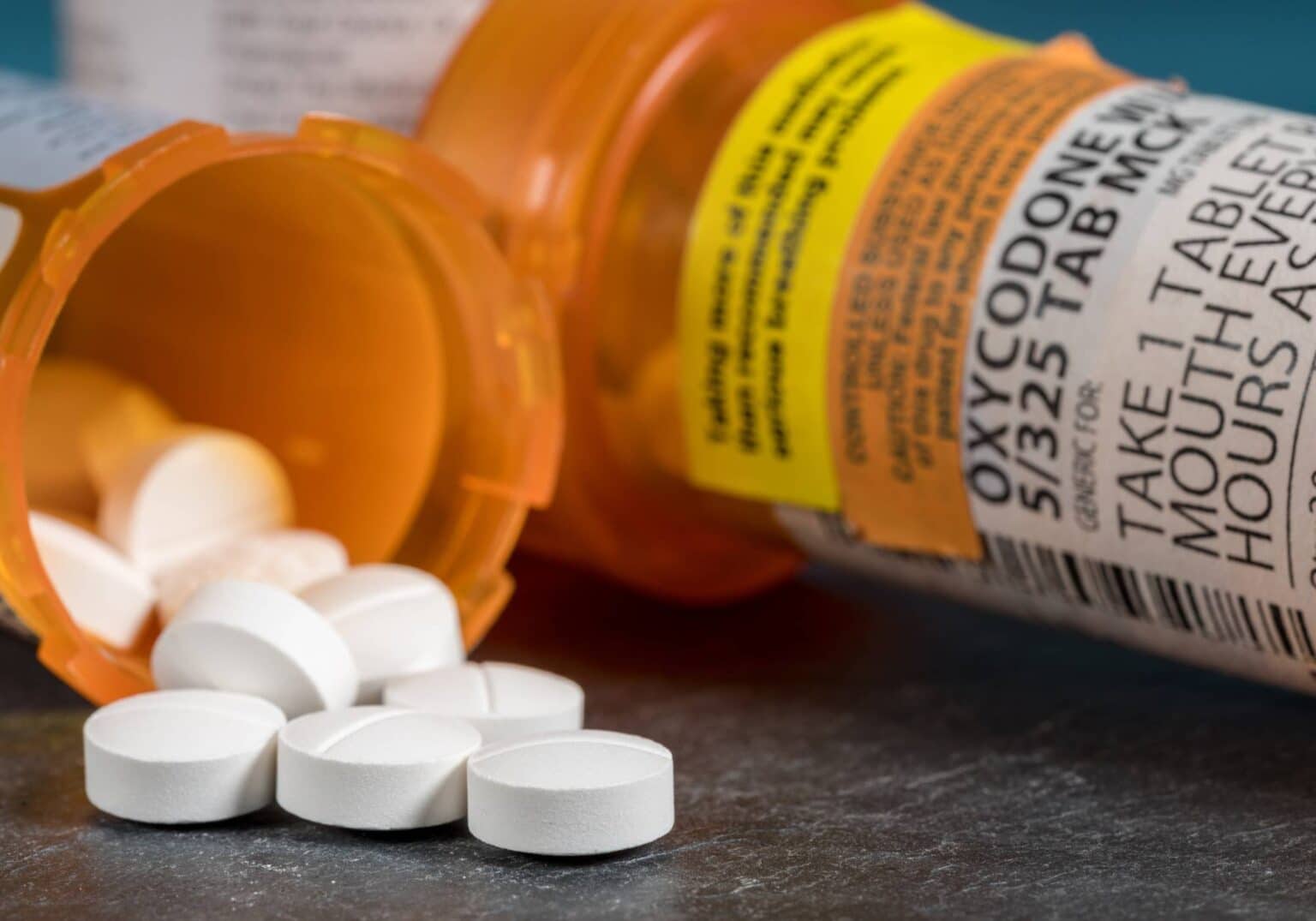
Oxycodone is a semi-synthetic opioid derived from thebaine, an alkaloid found in the opium poppy. It’s prescribed to manage moderate to severe pain that doesn’t respond to less potent analgesics. Oxycodone works similarly to morphine by attaching to opioid receptors in the brain and spinal cord, effectively blocking pain signals and inducing feelings of well-being. However, oxycodone is considered to be up to two times more potent than morphine, which can heighten the risk of overdose and addiction.
Oxycodone is available in various forms:
- Immediate-release tablets and capsules: Such as Roxicodone® and Oxaydo®, providing pain relief for up to six hours.
- Extended-release tablets and capsules: Like OxyContin® and Xtampza ER, offering sustained pain control for about 12 hours.
- Oral solutions: Suitable for patients who have difficulty swallowing pills.
- Injection solutions: Administered under medical supervision in clinical settings.
Often, oxycodone is combined with other medications like acetaminophen to enhance pain relief. Common combination drugs include Percocet®, Tylox®, and Endocet®. These combinations can pose additional risks, such as liver damage from excessive acetaminophen intake.
Given its potency, oxycodone has a high potential for abuse. In 2022, an estimated 2.5 million Americans misused oxycodone products. It’s imperative to use oxycodone strictly as prescribed to minimize the risk of addiction and adverse effects.
Differences Between Oxycodone and Morphine
Understanding the distinctions between Oxycodone and Morphine is essential for safe pain management and awareness of their potential risks.
Potency and Chemical Composition
A key difference when comparing Morphine vs Oxycodone lies in their potency. Oxycodone, being semi-synthetic, is generally 1.5 to two times more potent than morphine, a natural opioid. This means that lower doses of oxycodone can achieve similar pain-relieving effects as higher doses of morphine. However, this increased potency also raises the stakes regarding overdose risk and dependence.
Chemically, morphine is a naturally occurring substance extracted from the opium poppy, whereas oxycodone is synthesized from thebaine. This difference affects how they interact with the body’s opioid receptors and contributes to their varying potencies and effects.
Addictiveness
Both Morphine and Oxycodone have a high potential for addiction due to their impact on the brain’s reward system. However, because oxycodone is more potent, it may present a slightly higher risk of abuse and addiction. Among individuals who misuse prescription opioids, Oxycodone and Morphine are both commonly abused, but oxycodone tends to be misused more frequently. Careful adherence to medical guidance is crucial when using either medication to prevent the development of dependence.
Similarities of Morphine vs Oxycodone for Pain
Despite their differences, Morphine and Oxycodone share several similarities in how they address pain:
- Mechanism of Action: Both drugs bind to opioid receptors in the central nervous system, altering pain perception and response.
- Effectiveness: They are effective in treating moderate to severe pain unresponsive to non-opioid analgesics.
- Side Effects: Common side effects include drowsiness, nausea, constipation, and respiratory depression.
- Risk of Dependence: Both medications can lead to physical dependence and addiction if misused or used long-term.
- Controlled Substances: They are classified as Schedule II controlled substances, requiring a prescription and careful monitoring by a healthcare provider.
Understanding these similarities emphasizes the importance of cautious use and close medical supervision when using these opioids for pain management.

Side Effects of Morphine and Oxycodone
Use of Morphine and Oxycodone can result in a range of side effects, even when taken as prescribed.
Common side effects include:
- Drowsiness or sedation
- Nausea and vomiting
- Constipation
- Euphoria
- Respiratory depression
- Slowed heart rate
These effects occur because both drugs depress the central nervous system. Monitoring for side effects is essential, and any concerns should be promptly discussed with a healthcare professional.
Potential Risks
Significant risks associated with Oxycodone and Morphine include respiratory depression, which can lead to coma or death, particularly at high doses or when combined with other depressants like alcohol or benzodiazepines. Pregnant women should avoid these opioids due to the risk of miscarriage, low birth weight, and neonatal abstinence syndrome, where newborns experience withdrawal symptoms.
Injecting Morphine or Oxycodone increases the risk of infectious diseases such as HIV and hepatitis, especially when needles are shared. It can also lead to skin infections, collapsed veins, and other serious health issues.
Morphine and Oxycodone Drug Interactions
Both Morphine and Oxycodone can interact with other medications and substances, potentially leading to dangerous side effects. Substances that may interact include:
- Alcohol
- Other opioids
- Benzodiazepines (e.g., Valium®, Xanax®)
- Muscle relaxants
- Sleep medications
- Antidepressants (SSRIs, SNRIs)
- Antipsychotics
- Anticonvulsants
- Certain antibiotics and antifungals
Combining Oxycodone or Morphine with these substances can increase the risk of severe respiratory depression, profound sedation, overdose, and even death. For example, mixing opioids with alcohol can significantly enhance their depressant effects, leading to life-threatening respiratory failure.
Moreover, oxycodone products containing acetaminophen (like Percocet®) carry a risk of liver damage if taken in high doses or combined with other acetaminophen-containing medications. Always inform your healthcare provider about all medications, supplements, and substances you are taking to avoid harmful interactions.
Other Risk Factors of Morphine and Oxycodone
Certain health conditions and personal factors can heighten the risks associated with Morphine and Oxycodone use:
- Respiratory conditions: Such as asthma, chronic obstructive pulmonary disease (COPD), or sleep apnea.
- Liver or kidney disease: Impaired organ function can affect how the body metabolizes and excretes the drugs, leading to accumulation and toxicity.
- History of substance abuse: Increases the likelihood of misuse, addiction, and overdose.
- Mental health disorders: Conditions like depression or anxiety may be exacerbated by opioid use.
- Hypotension: Opioids can lower blood pressure further, causing dizziness or fainting.
- Seizure disorders: Opioids may increase seizure risk in susceptible individuals.
- Pregnancy and breastfeeding: Opioid use can harm the fetus or infant, leading to withdrawal symptoms or developmental issues.
It’s imperative to discuss your full medical history with your healthcare provider before starting treatment with Oxycodone vs Morphine to assess potential risks and determine the safest pain management approach.
Is One Better or More Dangerous Than the Other?
When evaluating Oxycodone vs Morphine, neither drug is categorically better or safer than the other. The appropriate choice depends on individual patient factors, including the type and severity of pain, previous responses to pain medications, and personal health risks. While oxycodone’s higher potency may make it more effective for certain pain types, it also increases the potential for overdose and addiction.
Both Oxycodone and Morphine carry significant risks of dependence and should be used with caution. Long-term use of either medication requires careful medical supervision, regular evaluations, and a comprehensive plan to mitigate risks, including potential dependency.
Physical Dependence and Addiction to Opioids
Regular use of Morphine or Oxycodone can lead to physical dependence, where the body adapts to the drug’s presence, and withdrawal symptoms occur if usage decreases or stops abruptly. Addiction is characterized by compulsive drug-seeking behavior despite negative consequences on health, relationships, and responsibilities.
Signs and Symptoms of Opioid Addiction
- Tolerance Development: Needing larger doses to achieve the same pain-relieving effects.
- Withdrawal Symptoms: Experiencing symptoms like restlessness, muscle aches, insomnia, diarrhea, vomiting, and cold flashes when not using the drug.
- Cravings: An intense desire to use the substance again.
- Neglect of Obligations: Ignoring work, school, or family responsibilities due to drug use.
- Continued Use Despite Harm: Persisting in opioid use even when it causes physical or psychological harm.
Recognizing these signs is crucial for seeking timely intervention and preventing the escalation of addiction.

Benefits of Opioid Addiction Treatment
Addressing addiction to Oxycodone and Morphine is essential for reclaiming one’s health and quality of life. At Hope Harbor Wellness, we provide comprehensive treatment programs tailored to each individual’s needs, fostering a supportive environment for recovery.
Our Treatment Programs Include:
- Medical Detoxification: Safe and supervised withdrawal from opioids, managing withdrawal symptoms to ensure comfort and reduce health risks.
- Outpatient Rehab Programs: Flexible treatment options that accommodate personal schedules while providing intensive therapy and support.
- Co-occurring Disorder Treatment: Integrated care addressing both addiction and underlying mental health conditions like depression or anxiety.
- Dual Diagnosis Treatment: Specialized programs for individuals facing multiple diagnoses, ensuring holistic and effective care.
Benefits of Our Treatment Approach:
- Enhanced Physical Health: Healing the body from the detrimental effects of opioid misuse.
- Improved Mental Well-being: Developing strategies to cope with stress, cravings, and emotional challenges.
- Strengthened Relationships: Rebuilding trust and communication with family and friends.
- Empowerment and Self-Efficacy: Gaining confidence in one’s ability to manage triggers and maintain sobriety.
- Supportive Community: Connecting with others on the path to recovery, fostering mutual encouragement.
Recovery is a journey that involves commitment, support, and professional guidance. At Hope Harbor Wellness, we are dedicated to walking alongside you every step of the way, offering the tools and support needed for lasting recovery.
Treating Opioid Addiction at Our Drug Rehab in Atlanta
If you or a loved one is struggling with addiction to Morphine and Oxycodone, our specialized outpatient addiction treatment programs at Hope Harbor Wellness are here to help you regain control of your life.
Our Addiction Treatment Services Include:
- Comprehensive Outpatient Detox Programs: Medical supervision to safely manage withdrawal symptoms and prevent complications during the detoxification process.
- Personalized Therapy: Individual therapy sessions to address individual challenges, underlying issues, and to develop effective coping strategies.
- Group Therapy Sessions: Facilitated group discussions that promote shared experiences, understanding, and peer support.
- Family Therapy: Involving loved ones in the recovery process to heal relationships, improve communication, and build a strong support system.
- Holistic Therapies: Incorporating practices like mindfulness meditation, yoga, art therapy, and exercise to promote overall well-being.
- Aftercare Planning: Developing a long-term strategy for maintaining sobriety, including ongoing therapy, support groups, and relapse prevention techniques.
Our approach recognizes that recovery is not one-size-fits-all. We focus on treating the whole person—mind, body, and spirit—to foster lasting healing and a healthier, more fulfilling life.
At Hope Harbor Wellness, we believe that every individual has the potential for recovery and deserves a life free from the burdens of addiction. Our dedicated team of professionals is committed to providing the highest quality care in a compassionate and non-judgmental environment. Call us at 770-573-9546 or fill out our online contact form to speak with a caring member of our team who can answer your questions, provide information, and guide you through the next steps.
Let us help you navigate the path to recovery with empathy, expertise, and unwavering support. Together, we can overcome the challenges of addiction to Oxycodone and Morphine and work towards a brighter, healthier future.