
Knowing how to recognize meth can protect you and the people you love. Families often ask, “what does meth smell like,” “what does meth look like,” or even “what does meth taste like.” These are practical questions with real safety implications. During the first year of the pandemic, poison centers reported a sharp rise in child ingestions of illicit substances. At the same time, methamphetamine and fentanyl surged across the country. When substances are mislabeled, mixed, or counterfeited, the risks go up for everyone.
This guide explains how meth appears, smells, and tastes, why those clues can be inconsistent, and what to do if you suspect someone is using. We also cover short‑ and long‑term health effects, overdose warning signs, and evidence‑based help. If you need drug rehab in Atlanta, Hope Harbor Wellness offers compassionate, clinically driven care tailored to your needs and your schedule.
Meth Identification
Methamphetamine comes in different forms. The form affects how it looks, how it’s used, and what it might smell like when smoked or stored.
The most common types are:
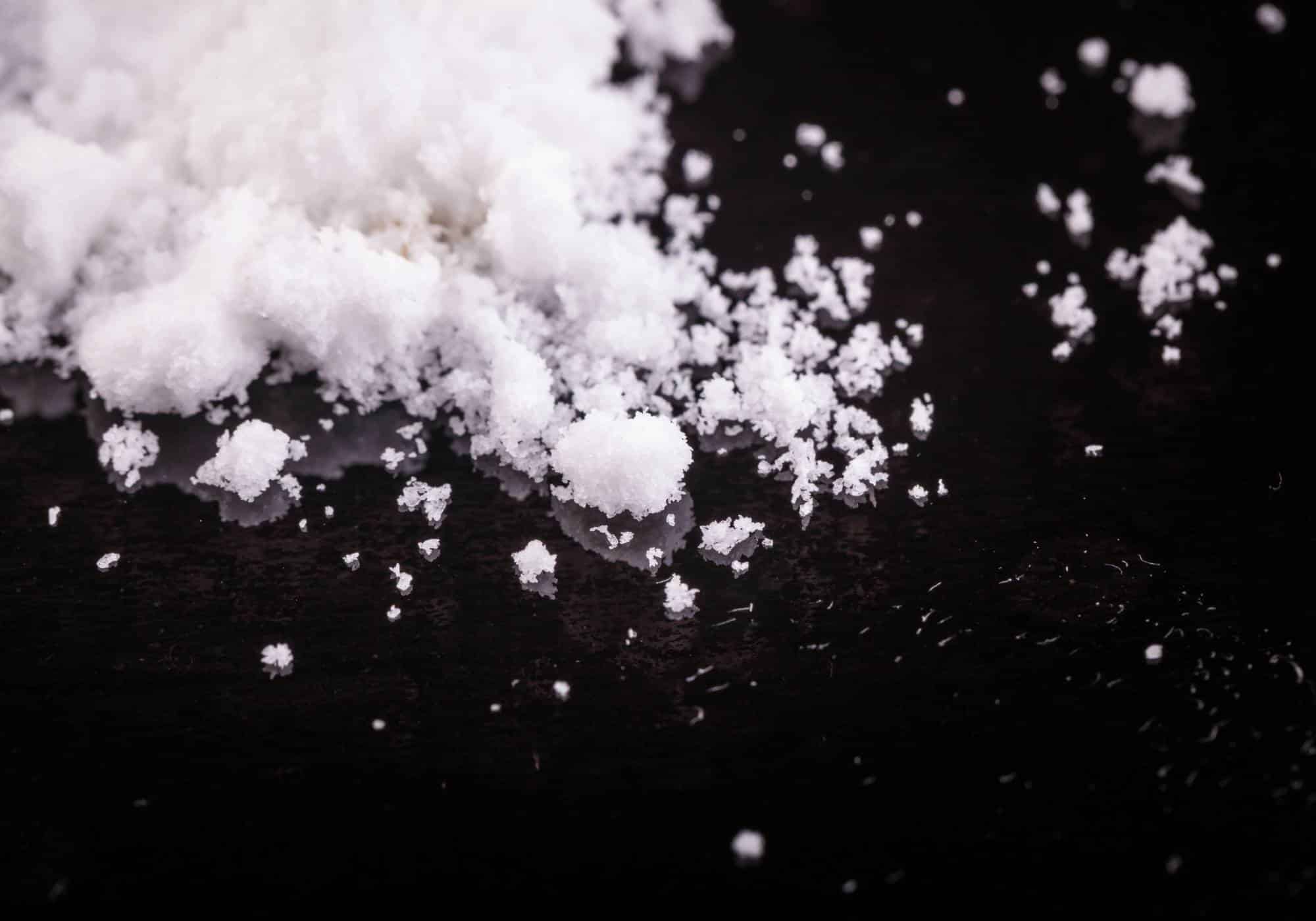
- Powder: a fine or slightly granular powder that ranges from white to off‑white, but can also appear beige, yellow, or pink when impurities or cutting agents are present.
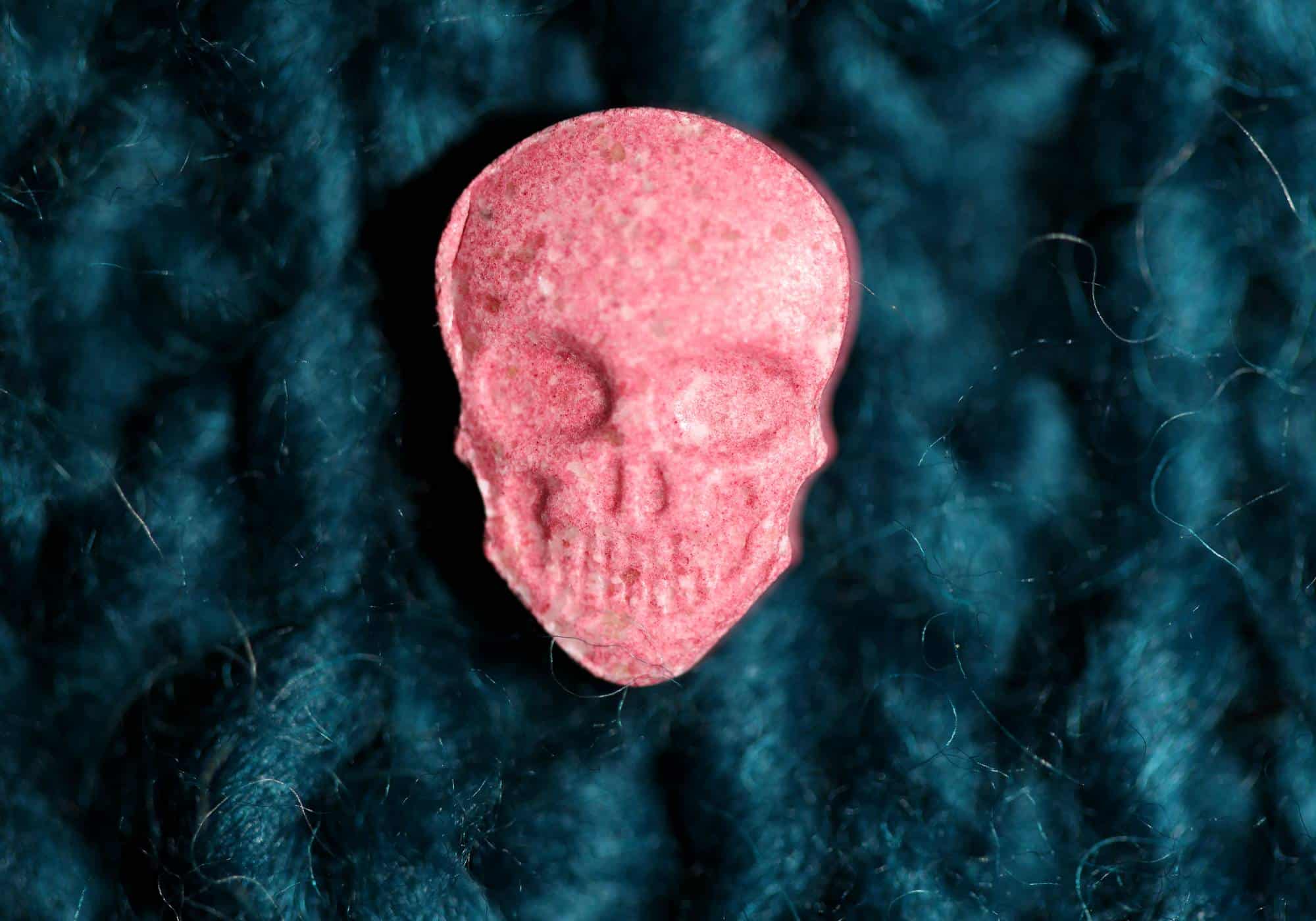
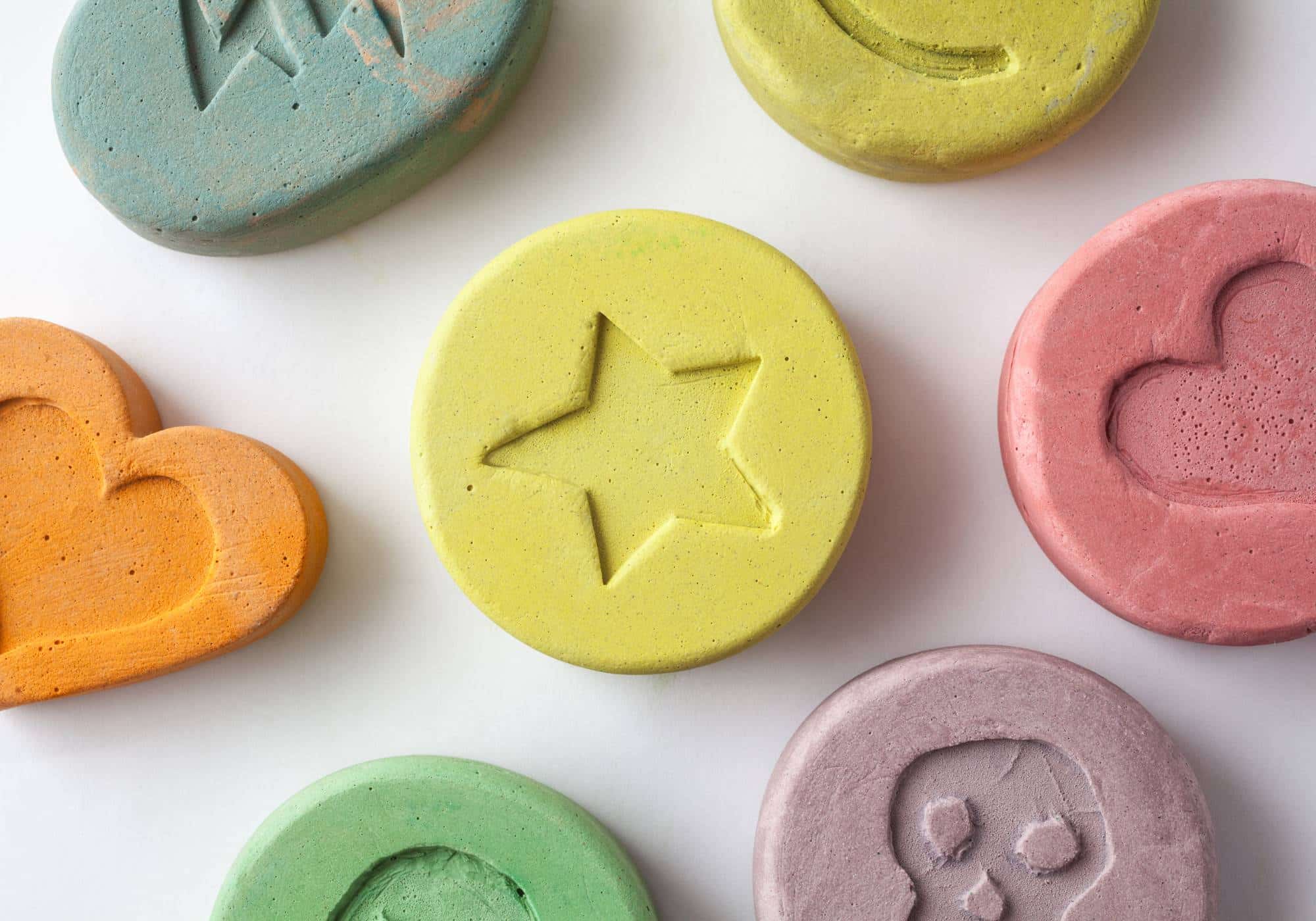
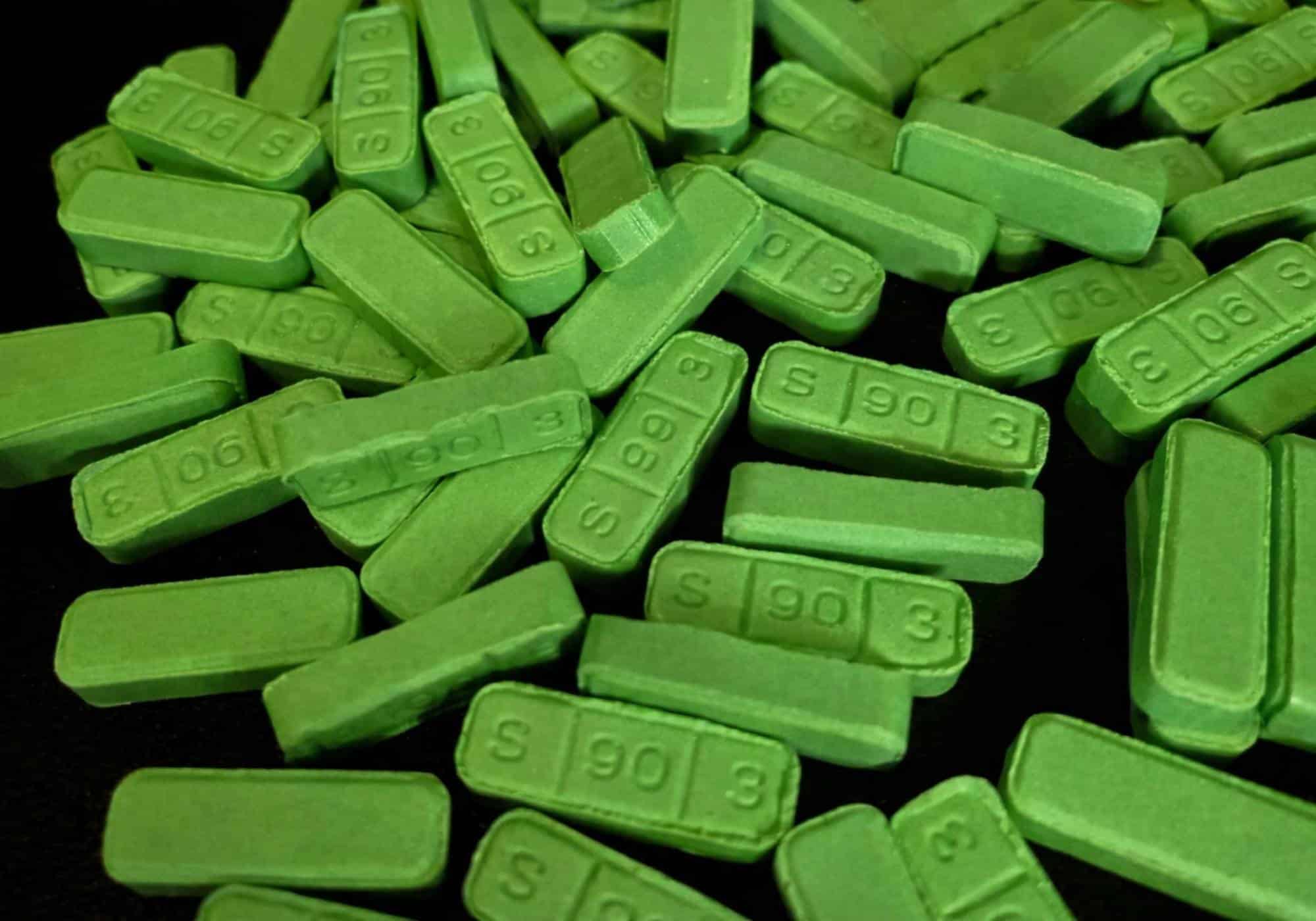
- Pills: small tablets in various shapes and colors, sometimes stamped with logos or letters.
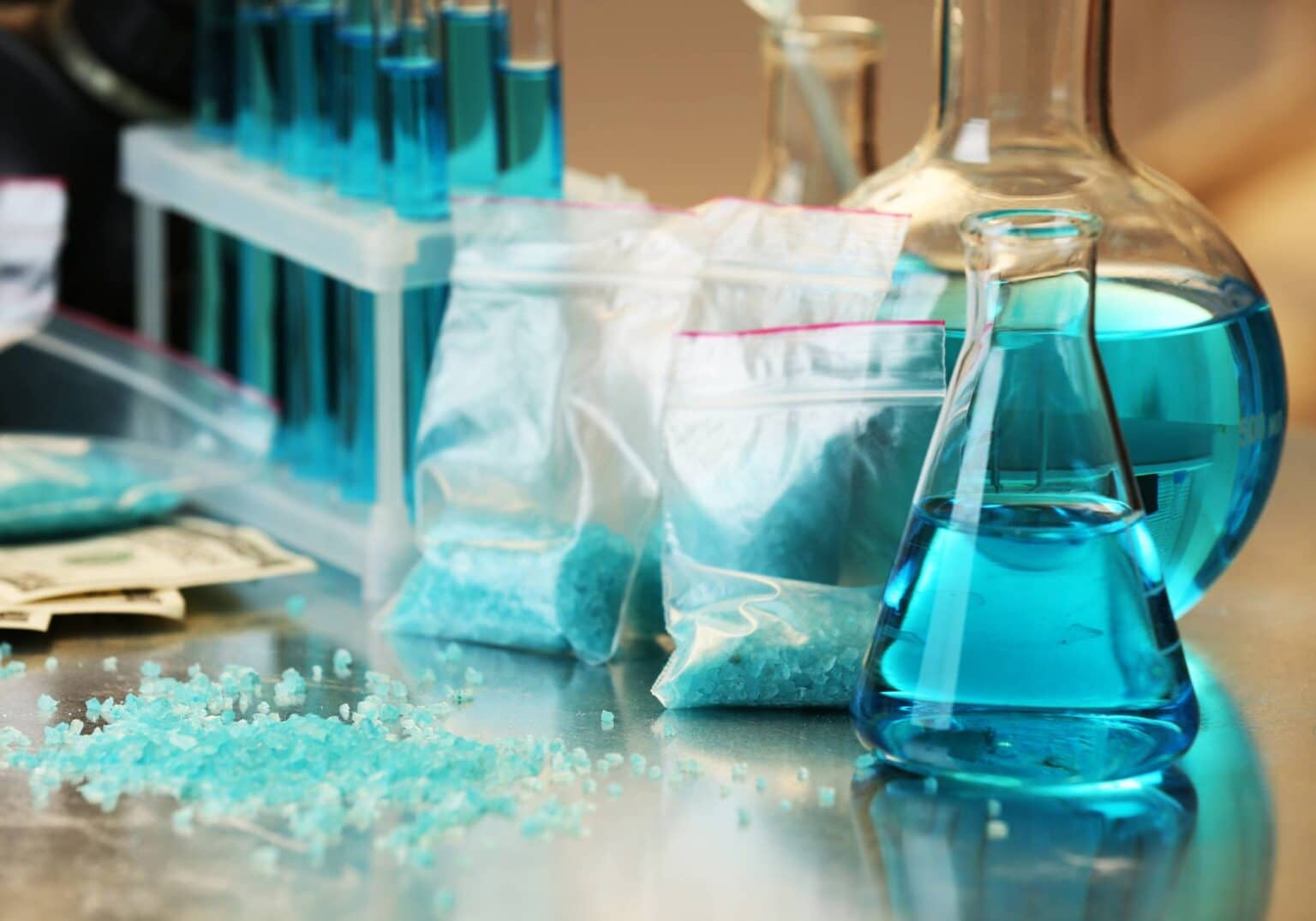
- Crystal meth: translucent or bluish‑white shards that resemble crushed ice or broken glass. This form is often more potent.
Because street products are rarely pure, appearance alone is not a guarantee. Additives, dyes, moisture, and production methods can all change how meth looks and smells.
What Does Meth Look Like?
People often ask, “meth—what does it look like?”
Here’s what to expect across forms:
- Powdered meth usually looks like chalky flour or salt. If pressed between fingers, it may feel fine and dry, or slightly coarse if not fully milled. Color variations (off‑white, beige, pale pink, tan, or yellow) can come from cutting agents or leftover chemicals from synthesis.
- Pill or tablet form may be round or oblong with clean edges or crumbly sides if poorly pressed. Color depends on binders and dyes. Some tablets carry marks similar to those seen on illicit ecstasy, which can cause confusion.
- Crystal meth (sometimes called “ice” or “glass”) forms rigid, translucent shards. The pieces can be clear, bluish‑white, or faintly colored depending on impurities. The surfaces are glassy, sharp, and reflective—unlike the matte or chalky look of powder.
What do methamphetamines look like in paraphernalia? You might notice small baggies, foil squares with burn marks, glass pipes with bulbous ends, a lighter, or hollowed‑out pens serving as makeshift tools. Foil may have streaks or dark residue. Glass pipes often show brown or yellow burn rings and crystalline residue.
What Does Meth Smell Like?
So, does meth smell? It can, but the odor varies. Pure meth has a faint chemical scent, yet street meth rarely arrives “pure.”
Common odors people report include:
- Sharp ammonia (reminiscent of cleaning products or cat urine)
- Chemical/solvent notes like acetone or nail polish remover
- Sweet, ether‑like smells similar to paint thinner
- Sulfuric or “rotten egg” undertones when certain precursors are used
What Does Smoked Meth Smell Like?
When heated or smoked, odors become harsher and more noticeable.
People describe what does meth smell like when smoked as:
- Burnt plastic or burned rubber
- Bitter chemical smoke that lingers
- Acrid, nose‑stinging fumes that can cling to fabric and upholstery
What Does Meth Smell Like on Someone’s Clothes?
Clothes and hair can trap vapors. You might notice a chemical or solvent scent, ammonia‑like sharpness, or a burnt, plasticky smell hours after use. In enclosed spaces—cars, bathrooms, bedrooms—the odor can hang in the air and settle into fabrics, rugs, and curtains. (More on rooms, cars, and cleanup in a dedicated section below.)
Because production recipes differ, what does meth smell like is not a single, universal odor. If you detect strong chemical or burnt smells and other warning signs are present, treat the situation with care.
What Does Meth Taste Like?
Meth is often described as extremely bitter. People may also report metallic or chemical notes (like acetone or ammonia), depending on how it was produced. Taste varies by form and by the additives used to dilute or crystallize the product.
Important safety note: Never taste an unknown substance to identify it. Many street drugs are adulterated with dangerous compounds, including potent opioids. Exposure—especially through mucous membranes—can carry serious risks. If you find a suspicious substance, avoid contact and follow the safety steps later in this guide.
Meth Mixed With Other Substances
Meth on the street is rarely just methamphetamine.
Producers may add:
- Cutting agents: caffeine, talc, sugars, or other stimulants to stretch the product.
- Residual solvents and reagents from synthesis, such as acetone or ammonia, which alter odor and taste.
- Other drugs: in some regions, stimulants are mixed with opioids or sedatives. Adulteration can change the smell, taste, color, and most importantly, the risk.
Adulterants can increase toxicity, raise overdose potential, and hide the true strength of a dose. This is why relying on smell or appearance alone is unreliable and unsafe.
Popular Street Names for Meth
Here are common nicknames you may hear:
- Blade, Chalk, Crank, Crystal, Dust, Fire
- Glass, Ice, Poor man’s coke, Rocket fuel
- Scooby snacks, Speed, Tina, Tweek, Uppers
Street names change by community. If you overhear unfamiliar slang paired with other warning signs (paraphernalia, sudden behavior shifts), take note and consider a calm, safety‑minded conversation.
How to Tell If Someone Is Using Meth
Meth affects the whole person—body, behavior, mood, and relationships. Signs can appear quickly and vary in intensity. Look for changes across multiple areas rather than focusing on a single clue.
Physical signs
- Dilated pupils, increased sweating, elevated temperature
- Rapid heartbeat, high blood pressure, fast breathing
- Jaw clenching, muscle tension, tremors
- Dry mouth, dental problems, bad breath
- Reduced appetite and sudden weight loss
- Skin picking or sores; scratching that breaks the skin
Behavioral signs
- Unusual bursts of energy followed by crashes
- Staying up for long periods, erratic sleep patterns
- Secretive behavior, disappearing for hours, new friend groups
- Financial issues, missing valuables, or frequent requests for cash
- Paraphernalia: glass pipes, foil with burn marks, light bulbs converted into devices, tiny baggies
Psychological signs
- Heightened confidence or euphoria
- Anxiety, panic, irritability, or agitation
- Paranoia, suspiciousness, or hallucinations
- Rapid, pressured speech; jumping between topics
No single indicator proves meth use. But when several signs cluster and persist, it’s time to seek support.
Short‑Term Effects of Methamphetamine
Short‑term effects can be intense and may vary by route (smoked, snorted, injected, or swallowed):
- Increased energy, alertness, and talkativeness
- Euphoria and strong pleasure responses
- Fast heart rate, elevated blood pressure, and higher body temperature
- Dilated pupils, rapid breathing, and flushed skin
- Nausea, vomiting, decreased appetite
- Restlessness, anxiety, tremors, teeth grinding or jaw clenching
In higher doses or with repeated use over hours or days, people may experience extreme agitation, panic, or psychotic symptoms. These episodes can be frightening and may require medical attention.
Long‑Term Effects of Methamphetamine
Chronic use affects nearly every system:
- Cardiovascular strain: irregular heartbeat, hypertension, risk of stroke or heart attack
- Neurological impact: changes in memory, attention, and mood; heightened anxiety or depression
- Dental damage: severe tooth decay (“meth mouth”), gum disease, and tooth loss
- Skin issues: sores, infections, scarring from picking
- Respiratory problems: cough, throat irritation, or lung issues with smoking
- Immune suppression: higher susceptibility to illness
- Cravings and dependence: escalating use, tolerance, and withdrawal symptoms
The earlier someone gets help, the better the odds of recovery and lasting health.
What Is a Meth Overdose?
A meth overdose happens when stimulant effects overwhelm the body. It can develop rapidly, especially with strong or adulterated products, or when combined with other substances.
Common overdose symptoms
- Chest pain, racing or irregular heartbeat
- Very high blood pressure, severe headache
- Overheating (hyperthermia), profuse sweating, or hot, dry skin
- Agitation, confusion, or severe anxiety
- Seizures, loss of consciousness, or collapse
- Breathing trouble
What to do
Call 911 immediately. If the person is overheating, move them to a cooler area and use cool (not ice‑cold) cloths. If they have a seizure or pass out, protect their head and keep the airway open if you can do so safely. Stay with them until help arrives.
Treatment Options for Meth Use Disorder in Atlanta, GA
Recovery is possible. At Hope Harbor Wellness in Atlanta, GA, we provide drug rehab in Atlanta that treats the whole person—mind, body, and spirit. We tailor care to the individual and focus on practical, evidence‑based steps that work in real life.
Core elements of care may include:
- Comprehensive assessment to understand substance use, mental health, medical needs, and goals
- Individual therapy (such as cognitive‑behavioral strategies) to address triggers, thinking patterns, and motivation
- Group therapy for skills practice, peer support, and accountability
- Family involvement to improve communication and build a healthier support system
- Relapse‑prevention planning with concrete tools for high‑risk situations
- Aftercare and alumni support to maintain momentum after primary treatment
If a client needs medical detox before starting therapy, we coordinate a safe, fast transition with trusted partners, then step in with outpatient programming once they’re stabilized. Care plans are flexible so people can balance treatment with school, work, and family responsibilities.
What Does Meth Smell Like on Someone’s Clothes, In Rooms, and in Cars?
Families often discover lingering odors before they see paraphernalia.
Here’s what to know:
- Clothing & hair: Smoke clings to fibers. You may notice a burnt plastic or chemical scent hours after use. Hair can trap a faint ammonia or solvent odor.
- Bedrooms & bathrooms: Enclosed spaces intensify smells. Look for burnt foil, glass pipes, or unusual chemical fumes that sting the nose. Fan use, open windows, or scented sprays may mask but not fully remove the odor.
- Vehicles: Cars hold odors in upholstery and vents. You might see small baggies, foil, or lighter burns near cup holders or console areas.
- Cleanup caution: Never heat or burn suspicious residue to test a smell. Avoid touching unknown powders or crystals. If safety is a concern, step away, ventilate the space if possible, and seek assistance.
What Do Methamphetamines Look Like Across the Supply Chain?
The phrase what do methamphetamines look like covers more than a single image:
- Upstream: Before dilution, crystals may be larger, clearer, and more uniform.
- Midstream: Resellers may re‑crystallize or grind the product, adding cutting agents that alter color and consistency.
- Downstream: Street‑level products are highly variable—powder may be damp or clumpy; crystals may be tiny, tinted, or mixed with flakes and dust.
This variability is one reason sensory checks (look, smell, taste) are poor safety tools. Two batches that look alike can act very differently in the body.
Is It Safe to Taste or Smell a Substance? Safer Ways to Identify and Respond
It’s understandable to wonder what does meth taste like or to sniff the air if you catch an odd odor.
But direct tasting or handling is risky because:
- Unknown potency: Strength varies wildly, and contamination is common.
- Adulterants: Stimulants are sometimes mixed with other drugs or toxic chemicals.
- Exposure risks: Dust and fumes can irritate eyes, skin, and lungs.
Safer next steps:
- Do not taste or heat an unknown substance.
- Limit contact. Do not touch your eyes, mouth, or nose. Wash hands if exposure occurs.
- Document what you see (paraphernalia, descriptions, photos for your records if safe and legal).
- Have a calm conversation when the person is sober and rested. Lead with concern, not accusations.
- Seek professional guidance—call a local treatment provider, your primary care clinician, or a helpline for next steps.
Local Risks, Community Safety, and Where to Turn in Atlanta, GA
Metro Atlanta is diverse and fast‑growing, which makes access to accurate information and timely care essential.
Here are practical tips for local families:
- Act early: If you notice warning signs, reach out. Many people wait months hoping things will improve on their own. Early action protects health, jobs, schooling, and relationships.
- Coordinate care: If the person may need detox, line it up quickly so treatment can begin as soon as they’re stable.
- Build a support team: Include one or two trusted friends or relatives who can help with transportation, childcare, or check‑ins.
- Carry naloxone (even if the primary concern is stimulants). Polysubstance use is common, and naloxone is safe to have on hand.
At Hope Harbor Wellness in Atlanta, our admissions team can walk you through options, verify benefits, and schedule an assessment. Call us today at 770-573-9546 or fill out our online contact form we’ll help you make a plan that fits your situation.
A Final Word—and a Safe Next Step
If you’re searching “what does meth smell like” because you’re worried about someone, you’re not alone. These questions are brave and practical. They’re also a sign that it’s time to get support. At Hope Harbor Wellness in Atlanta, GA, we offer judgment‑free assessments, flexible treatment plans, family education, and coordinated care that fits real life. Whether you need help for yourself or someone you love, we’re here to make the next step simple.
Call Hope Harbor Wellness at 770-573-9546 or fill out our online contact form a confidential assessment. Your path to clarity, safety, and recovery can start today.
FAQs About Meth Identification
What does meth look like?
Powdered meth tends to be white or off‑white, but it can appear beige, yellow, or pink depending on additives. Crystal meth looks like clear or bluish‑white shards similar to broken glass. Pills vary in color and shape and may have stamped logos.
What does meth smell like?
People often describe an ammonia‑like sharpness, an acetone/solvent odor, or a sweet, ether‑like chemical scent. What does meth smell like when smoked? Expect harsher, burnt plastic or burnt rubber notes that linger on clothes, hair, and fabrics.
What does meth taste like?
Most users report a very bitter taste. Some batches have a metallic or chemical aftertaste because of production residues. Never taste a substance to identify it—this can be dangerous.
What does meth smoke smell like compared with marijuana or tobacco?
Meth smoke is more chemical and acrid, often described as burnt plastic or rubbery. It lacks the herbal or leafy notes associated with cannabis and is harsher than tobacco.
What do methamphetamines look like when they’re mixed with other substances?
They may be tinted, damp, or uneven in texture. Crystals can appear smaller and less uniform. Powder may clump or show off‑colors. Variability is a warning sign that potency and risks are unpredictable.
What should I do if I find a substance I think is meth?
Avoid touching or tasting it. Do not heat it. Ventilate the area if possible, wash your hands if you made contact, and consider seeking professional help. If safety is an immediate concern, call local authorities.
Can I tell meth use just by smell on someone’s clothes?
Smell can be a clue, but it’s not proof. Look for multiple indicators: paraphernalia, behavior changes, sleep disruption, rapid speech, weight loss, or skin sores. If several signs cluster, talk with a professional about next steps.