
In the journey of addiction, the damage is often hidden from plain sight. Yet, for many people who use methamphetamine, the physical toll becomes painfully visible. Meth skin sores are a disturbing but common side effect, capable of transforming a person’s appearance with lasting scars. For families and friends, seeing these wounds can be a jarring and heartbreaking experience, a clear sign that a loved one is in deep distress. The visible evidence of meth and sores on a person’s body is often a physical manifestation of a deeper, more profound struggle with addiction.
At Hope Harbor Wellness, we understand that these physical symptoms are a cry for help. The journey to recovery is not just about overcoming a substance use disorder; it’s about healing the whole person—mind, body, and spirit. In Atlanta, Georgia, the dangers of methamphetamine are a serious concern, and we are committed to providing compassionate, evidence-based care to those in need. Understanding the causes and consequences of meth sores is a crucial first step toward recovery and a life free from the destructive cycle of addiction.
What Do Meth Sores Look Like?
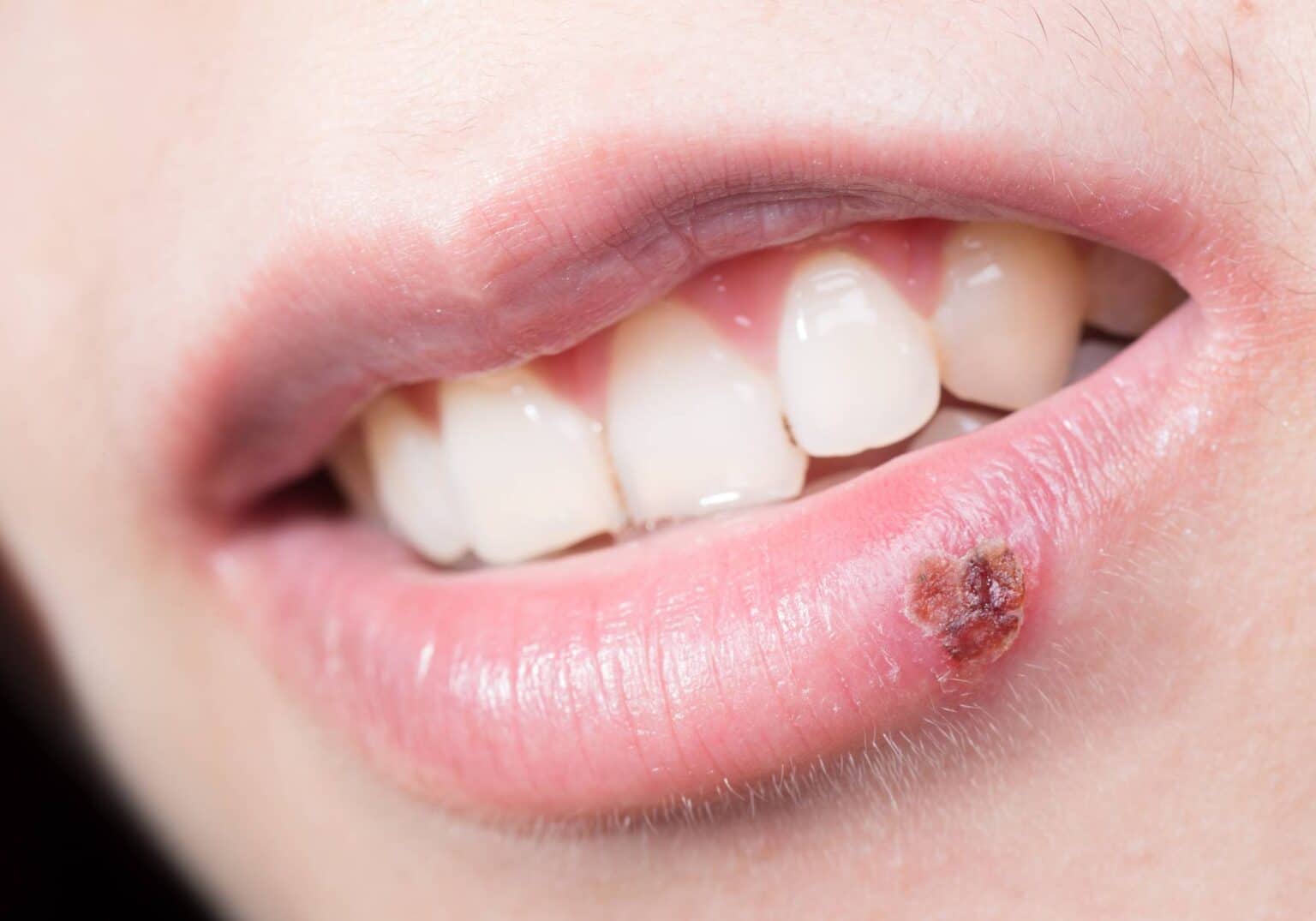
Meth sores can appear anywhere on a person’s body and are often seen in various stages of healing, from fresh, open wounds to deep scars. The term “sore” might sound simple, but these are often complex, self-inflicted injuries that are prone to infection. It is not uncommon for a person to have several open sores, scabbed wounds, and noticeable scars on their face, hands, and other exposed skin areas. The appearance of meth sores on face can be particularly distressing, as it is a constant, visible reminder of the addiction.
Open sores typically look like blisters that have been picked open. They are often round or oval with a reddish, wet, or oozing appearance. These wounds can be fresh or older, but the constant picking and scratching often prevent them from healing properly. This repeated trauma to the skin, where scabs are torn off before they can fully protect the new skin underneath, deepens the wound and increases the likelihood of permanent scarring. These are not minor blemishes; they are wounds that signal a person’s profound psychological distress and a severe breakdown in their physical health. The physical damage to the skin is a stark visual representation of the internal chaos caused by methamphetamine use.
What Are Meth Scabs And Meth Mites?
The terms “meth scabs” and “meth mites” are inextricably linked to the development and persistence of meth sores. Understanding the connection between these two phenomena is critical to comprehending the full scope of the problem.
- Meth Scabs: This term refers to the scabs that form over the open wounds as the body attempts to heal. In a healthy individual, a scab is a protective layer that allows the skin to repair itself underneath. However, in people using meth, the compulsive need to pick at the skin often prevents these scabs from ever fully forming. A person will compulsively pick at a wound, tear off a forming scab, and then the wound will begin to ooze again, creating a vicious cycle of re-injury. The result is a patchwork of scabs and open sores that never get a chance to heal, leading to more prominent and disfiguring scars.
- Meth Mites: The term “meth mites” is the colloquial name for a tactile hallucination known as formication. This is the intensely real and distressing sensation that bugs are crawling on or under a person’s skin. There are no actual bugs or mites present, but the powerful effects of methamphetamine on the brain create this delusional feeling. In an attempt to get the imaginary bugs off, a person will scratch, pick, and dig at their skin, causing the wounds that become meth sores. This phenomenon is a defining characteristic of long-term and heavy meth use, and it is a key reason why the physical damage to the skin is so severe. The sensation is so convincing that a person will cause great harm to themselves just to find relief from the itching and crawling.
The Psychological and Physical Roots of Meth Sores
The causes of meth and sores are a complex interplay of physical and psychological factors that are deeply rooted in the effects of the drug. It’s not just about what a person does to their skin, but what the drug does to their mind and body.
- Psychotic Reactions: Methamphetamine is a powerful stimulant that floods the brain with dopamine and other neurotransmitters. In high doses or with chronic use, this can lead to drug-induced psychosis, which is characterized by hallucinations, paranoia, and delusional thinking. The feeling of meth mites crawling under the skin is one of the most common and compelling of these hallucinations. A person may become so paranoid that they believe tiny insects have burrowed into their skin, and they will go to great lengths to remove them. This psychosis-induced behavior is often what initiates the skin picking.
- Impaired Circulation and Skin Damage: Methamphetamine is a potent vasoconstrictor, which means it causes blood vessels to narrow. This reduces blood flow to the skin and other organs. With less oxygen and fewer nutrients reaching the skin cells, the skin becomes dry, brittle, and loses its natural elasticity. This makes it more susceptible to damage and significantly slows down the natural healing process. Even a small cut or abrasion can take an unusually long time to heal and is more likely to become infected.
- Severe Malnutrition and Dehydration: Chronic meth use severely suppresses appetite and can lead to a person neglecting their basic needs for food and water. Severe malnutrition and dehydration are common. The skin is the body’s largest organ, and it needs proper nutrition and hydration to function and heal. Without essential vitamins, minerals, and water, the skin becomes sallow, dull, and prone to cracking. This compromised state makes a person far more vulnerable to skin infections and slows down the repair of any meth skin sores they create.
- Poor Hygiene: The lifestyle associated with meth addiction often involves a complete breakdown of personal hygiene. A person may go days or weeks without showering or changing clothes. This creates a breeding ground for bacteria on the skin. When open wounds are present, this lack of hygiene dramatically increases the risk of serious bacterial infections, such as cellulitis or abscesses, which can lead to life-threatening complications if left untreated.
What Is Meth Face?
The term “meth face” refers to a collection of physical symptoms that dramatically alter a person’s facial appearance after chronic methamphetamine use. The changes are often so stark that they serve as a powerful visual representation of the addiction’s progression. When you see a meth before and after photo, the contrast is often shocking, and the symptoms of meth face are a major reason why.
In addition to the visible meth sores on face, a person may also experience:
- Sunken Eyes: A direct result of severe dehydration and extreme weight loss. The loss of fat pads around the eyes makes them appear hollow and dark.
- Hollow Cheeks and a Gaunt Appearance: The suppression of appetite leads to severe malnutrition and a loss of fat and muscle tissue throughout the body, but it is most noticeable in the face.
- Aged and Wrinkled Skin: The combination of dehydration, poor nutrition, and impaired circulation robs the skin of its elasticity and moisture, causing it to prematurely age. A person in their 20s or 30s may look decades older.
- Chronic Runny Nose and Redness: If a person is snorting the drug, the chemicals can cause a chronic irritation of the nasal passages, leading to a runny, red nose.
- “Meth Mouth”: This is arguably the most well-known symptom of chronic meth use. It involves severe tooth decay, gum disease, and tooth loss. It is caused by a combination of drug-induced dry mouth, teeth grinding, poor dental hygiene, and a diet high in sugary drinks.
These symptoms are a testament to the fact that addiction causes a person to neglect every aspect of their health. The search for the drug takes precedence over all other needs, including basic self-care like eating, sleeping, and personal hygiene.
Timeline and Progression of Meth Sores
The development of meth sores can happen surprisingly quickly, often escalating in severity as a person’s drug use becomes more frequent and intense. Higher and more frequent doses can lead to more severe psychological and physical side effects, including the tactile hallucinations that are the primary cause of skin picking.
The timeline for healing meth sores is not a simple one. In a healthy person with good nutrition and a strong immune system, a typical wound might heal in a few weeks. However, for someone with a methamphetamine use disorder, the constant cycle of re-injury, coupled with the body’s compromised state, means these sores may never fully heal. They may occur and recur as long as a person is using meth and experiencing the psychotic symptoms that trigger skin picking.
What’s more, the psychosis caused by meth use can persist for months or even years after a person has stopped using the drug. Sudden stressors or triggers can lead to a recurrence of the tactile hallucinations and the associated skin picking. This is why addressing the underlying psychological issues is so crucial. Without professional treatment, a person may break the physical habit of using meth but still suffer from the lasting mental effects that cause the skin damage.
The Broader Impact of Meth on Appearance and Health
The visible signs of meth on skin are just one part of a much larger story of physical deterioration. Methamphetamine is a neurotoxin and a powerful stimulant that ravages the body from the inside out.
- Brain Damage: Chronic meth use causes irreversible changes to the brain. It damages the brain’s dopamine system, which affects pleasure, motivation, and motor control. This can lead to cognitive damage, memory loss, loss of motor function, and an inability to feel pleasure from anything other than the drug.
- Cardiovascular Damage: Meth puts an immense strain on the heart and circulatory system. It increases heart rate and blood pressure, which can lead to a heart attack, stroke, or heart failure. The damage to blood vessels also contributes to the poor circulation that affects meth skin.
- Immune System Suppression: Malnutrition and stress on the body weaken the immune system, making a person more susceptible to infections of all kinds, from a simple cold to a serious bacterial infection in an open wound.
- Mental Health Disorders: Methamphetamine use is a leading cause of drug-induced psychosis. Over time, this can lead to a diagnosis of a permanent mental health disorder like schizophrenia. The drug can also worsen pre-existing mental health conditions like depression and anxiety.
The physical appearance changes, particularly the meth before and after transformation, are a powerful, visual testament to this systemic damage. A person who once looked vibrant and healthy may become gaunt, aged, and covered in sores. This is not just a cosmetic issue; it’s a window into the complete physical and mental collapse that addiction can cause.
The Connection to Co-Occurring Mental Health Disorders
For many people, the symptoms of meth addiction—including the meth mites sensation and the resulting skin damage—are not isolated issues. They are often deeply connected to co-occurring mental health disorders. The paranoia and hallucinations that lead to skin picking are a form of drug-induced psychosis, which is a severe mental health condition.
At Hope Harbor Wellness, we specialize in treating these co-occurring disorders, also known as a dual diagnosis. It is nearly impossible to treat the addiction without addressing the mental health issues that fuel it, and vice versa. An individual who is struggling with depression or anxiety might use meth to self-medicate, and the meth use, in turn, can cause or worsen their mental health symptoms. Our integrated approach treats both conditions simultaneously, giving a person the best chance at long-term recovery. We understand that true healing for the skin, and for the person, can only begin when the underlying mental health and substance use issues are both being addressed.
A Path to Healing: Beyond the Physical Skin
The only way to stop the cycle of recurring meth sores and other physical health issues is to seek professional addiction treatment. The physical symptoms will continue as long as a person is using meth and experiencing the psychological side effects that lead to self-harm.
While basic wound care can help prevent infection and minimize scarring, it is not a cure. The true path to healing begins with addressing the addiction itself. At Hope Harbor Wellness, our treatment programs are designed to address both the physical and psychological aspects of methamphetamine addiction. Our holistic approach means that we help a person heal not only their body but also their mind and spirit.
- Detoxification: The first step is to safely and comfortably detox from the substance. This process is medically supervised to manage withdrawal symptoms and ensure a person’s safety.
- Therapy and Counseling: Once detox is complete, a person can begin to address the underlying causes of their addiction. Therapies like Cognitive Behavioral Therapy (CBT) and Dialectical Behavior Therapy (DBT) can help a person identify and change destructive thought patterns and behaviors. This is crucial for addressing the psychosis and hallucinations that cause the skin picking.
- Medication-Assisted Treatment (MAT): While there is no FDA-approved medication specifically for meth addiction, medications can be used to manage co-occurring mental health disorders or to help with sleep and anxiety during early recovery.
- Nutritional and Physical Wellness: At Hope Harbor Wellness, we focus on helping a person restore their physical health. This includes providing nutritious meals, encouraging exercise, and teaching them how to care for their body, which is vital for the healing of meth skin.
The Benefits of Outpatient Treatment in Atlanta, GA
For those in the Atlanta area, our outpatient treatment programs provide a flexible and effective path to recovery. Unlike residential programs, outpatient care allows you to continue living at home and managing your daily responsibilities while receiving a high level of support and therapy. This approach is ideal for people who need to balance their recovery with work, school, or family commitments.
Our outpatient programs are designed to provide the tools and support you need to build a life free from addiction. We understand that every person’s journey is unique, and our compassionate team works with each individual to create a personalized treatment plan that fits their specific needs. Our programs offer a structured environment for healing without removing you from your everyday life.
Find Hope and Healing at Hope Harbor Wellness
The dangers of meth are vast, and the visible consequences, from meth face to meth sores, are a powerful indicator of the need for help. If you or a loved one is struggling with methamphetamine addiction, it is not too late to seek help. Evidence-based addiction treatment can help people find their path to recovery and the support needed to stay on it.
At Hope Harbor Wellness, we offer hope for a brighter future. Our team of experienced professionals provides a compassionate and supportive environment where you can heal from the physical and psychological damage caused by addiction. Don’t let meth continue to control your life and your appearance.
If you are ready to take the first step toward a healthier life, contact Hope Harbor Wellness today at 770-573-9546 or fill out our online contact form to learn more about our programs and how we can support you.
FAQs About Meth Sores and Meth Addiction
What are meth mites?
Meth mites is a slang term for a tactile hallucination where a person feels as though bugs are crawling on or under their skin. This is a common side effect of chronic meth use and is the primary cause of skin picking that leads to meth sores.
Can meth sores be healed?
Yes, meth sores can heal, but the only way to prevent them from recurring is to stop using meth and address the underlying psychological and physical issues. Proper wound care is essential to prevent infection while a person is in recovery.
What does meth skin look like?
Meth skin is often dry, brittle, and irritated. It may have an oily or sallow appearance and can be covered in various stages of wounds, scabs, and scars from obsessive picking.
How does meth cause these skin problems?
Meth causes skin problems in several ways, including through psychosis and tactile hallucinations (the feeling of meth mites), malnutrition, poor hygiene, and impaired blood circulation.
How long does it take for meth sores to heal?
The timeline for healing varies depending on a person’s overall health, nutrition, and whether they continue to pick at their skin. With proper care and by ceasing drug use, they can begin to heal, but severe sores may leave permanent scarring.
Can a person get these sores without using meth?
Yes, tactile hallucinations and skin picking can be symptoms of other medical conditions or mental health disorders, but when accompanied by other signs of meth use, they are a strong indicator of addiction.