Seeing the drastic before‑and‑after photos tagged “faces of meth” can feel shocking. One picture shows a healthy smile; the next, sunken cheeks, sores, and missing teeth. These side‑by‑side images remind us how quickly methamphetamine destroys appearance—and health. This guide unpacks why meth face happens, what those visible signs mean, and how life‑changing recovery and good care can restore confidence.
People who use meth—or love someone who does—often wonder whether any of these changes can be reversed. The short answer is yes. Quitting meth and adopting healthier habits allow the body to repair. Results take time, but many men and women see dramatic improvements when they commit to outpatient drug treatment, skilled medical support, and steady self‑care.
Let’s break down exactly what meth does to skin, teeth, and facial structure and explore the steps that bring healing.
What Causes Meth Face?
Methamphetamine—also called ice, crank, chalk, or bump—is a powerful stimulant. It floods the brain with dopamine, creating intense euphoria but also stressing nearly every organ system. Over time, this stress shows up on the outside.
While any mind‑altering drug can change appearance, meth’s influence is especially severe because it:
- Raises body temperature and blood pressure
- Triggers uncontrollable itching and skin picking
- Dries out saliva and weakens tooth enamel
- Erodes muscle mass and stores of healthy fat
- Disrupts sleep and appetite for days at a stretch
Add these factors together, and the face loses fullness, skin becomes dull and damaged, and teeth crack or fall out. Loved ones spot the transformation quickly, often before the user admits there’s a problem.
What Is Meth Face?
Meth face is the informal term for the cluster of physical changes that long‑term meth users develop.
Key features include:
- Dental collapse (meth mouth)—decay, gum disease, and missing teeth
- Skin damage—open sores, scabs, acne‑like blemishes, and scarring
- False aging—wrinkles, sagging cheeks, and sunken eyes years ahead of schedule
- Weight loss—hollow temples, pronounced jaw bones, and fragile skin
While each person’s journey differs, the combination often makes friends say they “barely recognize” the individual. Thankfully, the body can mend much of this damage once meth use stops—especially when recovery is paired with dental care, dermatology, nutrition, and counseling.
What Are Meth Sores?
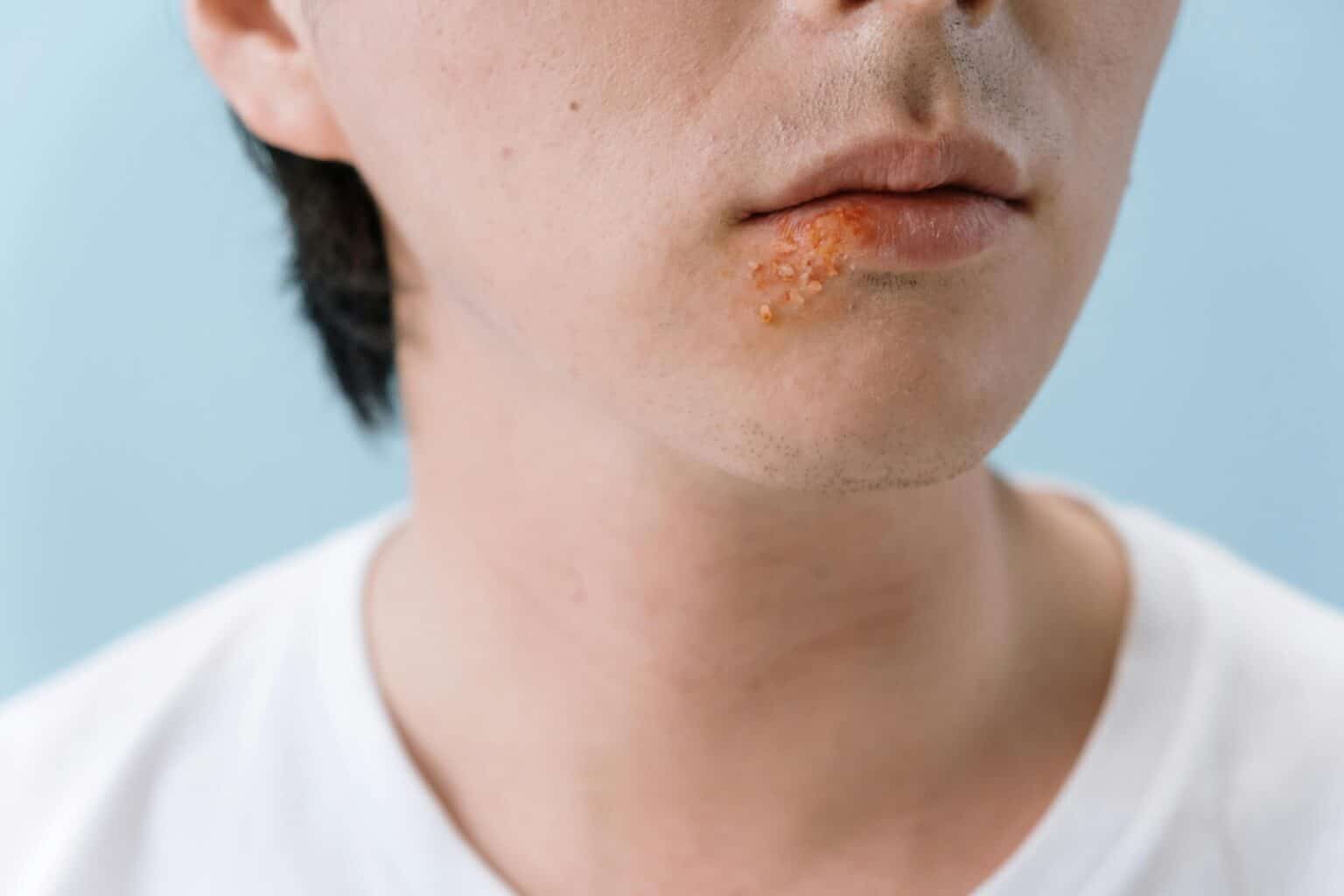
Long‑term users frequently develop painful, itchy lesions known as meth sores.
These lesions:
- Range in size from small red dots to large infected scabs
- Appear anywhere but cluster on the face, arms, and legs
- Slow to heal because meth restricts blood flow and weakens immunity
The sores stem from two main causes:
- Formication—a hallucination where users feel bugs under their skin, leading to relentless scratching and picking.
- Compromised healing—poor nutrition, dehydration, and lowered white‑blood‑cell function mean even tiny scratches become big wounds.
Keeping skin clean, hydrating, and using doctor‑prescribed antibiotic ointments speeds recovery once meth use ends.
What Is Meth Mouth?
Meth mouth describes the dramatic dental decay tied to chronic meth use.
Hallmarks signs of meth mouth include:
- Dry, cracked lips and split corners of the mouth
- Severe cavities and brown or black discoloration
- Broken or missing teeth and receding gums
- Chronic bad breath and painful chewing
Why does it happen?
- Dry mouth (xerostomia)—meth shuts down saliva production, removing the mouth’s natural cavity‑fighting defense.
- Teeth grinding (bruxism)—stimulated users clench and grind, wearing enamel thin.
- Sugary cravings—bingeing on soda or candy between binges feeds bacteria.
- Neglected hygiene—sleep deprivation and paranoia push brushing aside.
Professional intervention—a full dental exam, cleanings, fillings, crowns, or implants—can restore function and appearance, but early treatment saves time, money, and pain.
What Causes Meth Face?
Understanding the different mechanisms driving each symptom helps target solutions.
| Area Affected | Main Mechanism | Visible Result |
|---|---|---|
| Skin | Elevated cortisol and compulsive picking | Meth sores, infections, scars |
| Teeth | Dry mouth, acidity, bruxism | Meth mouth, tooth loss |
| Eyes | Tissue breakdown, sleep loss | Dark circles, sunken sockets |
| Facial Fat & Muscle | Malnutrition, hyper‑metabolism | Gaunt cheeks, sharp jaw line |
| Blood Vessels | Constriction and damage | Poor wound healing, dull complexion |
Below are the most common contributors.
Meth Sores
Hallucinations called formication convince up to half of chronic users that insects crawl beneath their skin. Scratching brings momentary relief but breaks the surface layer and introduces bacteria. Because meth narrows blood vessels, these open wounds struggle to close, turning into crusted scabs or inflamed boils. Heavy users may cover sores with makeup or long sleeves, but eventually infections swell and become impossible to hide.
Meth Mouth
Dry mouth alone does not equal tooth decay—but combine dryness with sugary beverage binges, grinding, and no brushing, and enamel erodes quickly. Gum tissue recedes, exposing roots; cavities deepen; abscesses form. Many meth users drink soda to stay energized or soothe “cotton mouth,” unknowingly accelerating the damage.
Meth Eyes
During a binge, pupils dilate and dart. Over months, lack of sleep hollows the under‑eye area, producing dark shadows. Snorting meth can leave crystalline byproducts that irritate the nasal passages and drift toward the tear ducts, leading to redness, twitching, or blurred vision. In rare cases, meth crystals embed in the retina, threatening sight.
Aged Appearance
Stress hormones surge with each dose. Cortisol breaks down collagen—the protein that keeps skin firm—leading to premature wrinkles. Rapid weight loss removes supportive fat pads around cheeks and under eyes. Sun exposure, often heightened by outdoor binges, multiplies UV damage. Together, these factors add a decade or more to a user’s looks within a single year.
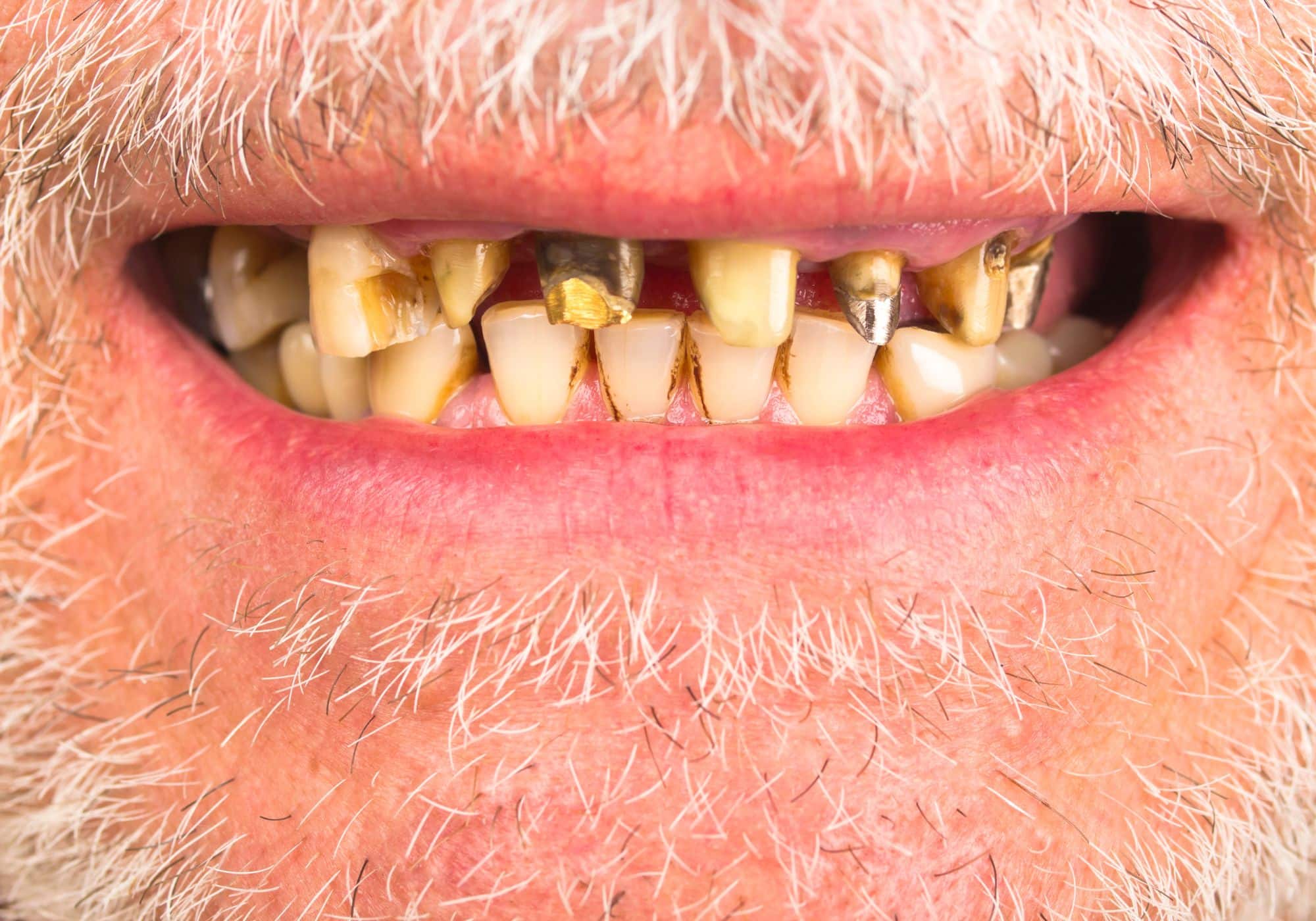
Meth Mouth
Because dental health sits at the heart of self‑confidence, meth mouth often drives people to seek help first.
Common complaints include:
- Constant tooth pain or sensitivity to hot and cold
- Difficulty chewing solid food
- Embarrassment about smiling in public
Dentists typically start with X‑rays, deep cleanings, and temporary fillings to control infection. Later, crowns, bridges, or implants rebuild structure. Good nutrition—lean proteins, leafy greens, and plenty of water—supports gum healing and bone strength.
Meth Eyes
Early intervention protects vision.
Steps include:
- Comprehensive eye exam after stopping meth to check for retinal deposits or corneal scratches.
- Artificial tears to combat dryness and itch.
- Blue‑light‑blocking glasses to ease eye strain during recovery when sleep patterns reset.
- Regular follow‑ups because damage may progress silently at first.
If vision changes remain untreated, scarring can lead to chronic dryness, light sensitivity, or even partial blindness.
Aged Appearance
Youthful skin thrives on hydration, sleep, and balanced hormones—opposites of a meth binge.
Reversing the aged look involves:
- Hydration: Eight glasses of water daily flush toxins and plump tissue.
- Balanced meals: Healthy fats, vitamins A, C, and E, plus collagen‑rich foods (bone broth, berries) rebuild elasticity.
- Sleep hygiene: Regular bedtime, cool dark room, and guided relaxation restore growth‑hormone production.
- Sun protection: Broad‑spectrum SPF 30 or higher prevents further UV damage.
- Dermatological care: Retinoid creams, gentle chemical peels, or laser resurfacing fade scars and stimulate new collagen.
Over months, skin tone evens out, fine lines soften, and fullness returns.
How to Clear Up Meth Face?
The path to healing looks different for each person, yet the core steps remain the same:
- Stop using meth – Cravings and withdrawal can feel overwhelming; structured outpatient programs in Atlanta, GA, offer medication, counseling, and peer support without uprooting daily routines.
- Stabilize health basics – Eat balanced meals, hydrate, and create a steady sleep schedule.
- Address skin and dental issues early – Schedule dermatologist and dentist appointments as soon as possible. Early care prevents minor problems from spiraling into costly surgery.
- Treat underlying mental health – Depression, anxiety, or trauma often drive meth use. Therapy and, if needed, non‑addictive medication reduce relapse risk.
- Practice consistent self‑care – Gentle cleansers, fragrance‑free moisturizers, sunscreen, and daily brushing revive natural glow.
- Celebrate small victories – Keep “progress photos” monthly to see subtle improvements in skin clarity, eye brightness, and overall vitality.
Remember: the body is remarkably resilient. Within weeks of quitting, many former users notice color returning to their cheeks and sores beginning to close.
Find Hope for Meth Addiction in Atlanta
Meth can tighten its grip fast, leaving families feeling powerless. Freedom is possible—and it can start today at Hope Harbor Wellness.
- Get Help Right Away – One phone call launches your recovery journey. If meth has taken over your life—or someone you love—lean on professionals who truly care.
- Care Designed for You – No cookie‑cutter plans here. Our Atlanta program studies your history, strengths, and goals, then builds a treatment roadmap that fits you perfectly.
- Whole‑Person Healing – Beating meth is only part of the goal. We focus on restoring mind, body, and spirit so you can rediscover joy and create a fresh start.
- A Community That Cares – Our team isn’t just clinical staff—it’s a supportive family that walks beside you, cheering every milestone and steadying you through setbacks.
Quitting meth is hard—but not impossible. Hope and healing start the moment you reach out. If you recognize meth face signs in yourself or someone close to you, contact Hope Harbor Wellness in Atlanta today at 770-573-9546 or fill out our online contact form. Our professional meth addiction treatment program, compassionate counseling, and medical care can reverse the damage and guide you toward a brighter, healthier future.
It’s never too late to change the narrative. At Hope Harbor Wellness meth rehab program can guide you from the darkness of addiction toward a brighter, healthier tomorrow.
Meth Face FAQs
What does meth face look like and why does it happen to people who use meth?
“Meth face” refers to pitted acne, open sores, sunken cheeks, broken teeth, and a leathery, prematurely aged complexion. Methamphetamine constricts blood vessels, starving skin of nutrients. Users often pick at imaginary “meth mites,” causing infected lesions that scar. Rapid weight loss collapses facial fat, and grinding teeth or sugary binge drinks accelerate dental decay, producing the unmistakable “meth mouth” that completes the look.
What causes the skin sores and accelerated aging associated with meth face?
Crystal-meth spikes stress hormones and body temperature, shrinking blood flow to the epidermis. Collagen breaks down, making skin thin and loose. Sleep deprivation, poor diet, lowered immunity, and constant picking introduce bacteria, turning minor scratches into deep sores. Together these factors quick-track wrinkles, discoloration, and scarring, so long-term users may look decades older than their age.
How quickly can meth face develop in someone using methamphetamine regularly?
Visible damage can appear within months of heavy, daily use—especially in people who already have acne or poor nutrition. Repeated binge cycles, dehydration, and lost sleep accelerate the timetable. Casual or occasional users usually take longer to show severe facial changes, but even intermittent binges can trigger sores and noticeable aging within one to two years.
Is meth face permanent, or can your face heal after you quit using meth?
Some effects—like shallow sores and mild discoloration—often improve once meth use stops and healthy habits return. Deep scarring, dental loss, and severe wrinkles are harder to reverse without dermatologic treatments or cosmetic dentistry. Early cessation, balanced diet, hydration, and medical skin care can restore significant appearance, but complete reversal is uncommon after prolonged use.
How can someone in recovery treat or reverse the effects of meth face on their appearance?
Quit meth first, then work with a dermatologist and dentist. Topical retinoids, antibiotic creams, chemical peels, laser resurfacing, collagen-stimulating microneedling, and scar-revision surgery help skin. Dental implants or veneers repair teeth. Adequate sleep, vitamin-rich foods, and hydration support natural healing. Counseling addresses skin-picking urges to prevent new damage.
Do all meth users get meth face, or are some people more prone to it?
Genetics, skincare habits, co-occurring infections, and overall health influence severity. Users with acne, immune problems, or who binge for days without hygiene see faster decline. However, chronic meth constricts blood flow in everyone, so eventually most long-term users develop at least mild facial aging, jaw clenching, and dental erosion.