
If you’re looking for Anxiety Treatment In Atlanta, GA, you may be dealing with persistent worry, panic symptoms, racing thoughts, or a constant “on edge” feeling that makes everyday life harder than it should be. Anxiety can affect sleep, relationships, work performance, and decision-making. It can also overlap with substance use when alcohol, benzos, or other substances become a way to self-soothe.
Hope Harbor Wellness provides outpatient support for adults, including treatment for anxiety and integrated support when anxiety and substance use occur together. If you’re dealing with both, you may benefit from Dual Diagnosis Treatment, which is designed to treat mental health and addiction concerns in a coordinated plan.
Contact us today at 770-573-9546 or fill out our online contact form for a free confidential assessment.
Anxiety Treatment In Atlanta, GA At A Glance
- What We Help With: chronic worry, panic symptoms, social anxiety, phobias, avoidance patterns, intrusive thoughts, sleep disruption
- Common Co Occurring Concern: substance use that started as “relief” but became a cycle
- Outpatient Levels Of Care: Partial Hospitalization Program, Intensive Outpatient Program, and Outpatient Program
- If Anxiety And Substance Use Overlap: consider Dual Diagnosis Treatment and structured support through our Addiction Treatment Program
What Is Anxiety?
Anxiety is your body’s built-in alarm system. In short bursts, it can help you prepare, stay alert, and respond to real threats. Anxiety becomes a problem when the alarm stays on, even when you are safe. That can show up as constant worry, physical tension, difficulty concentrating, irritability, or feeling like you can’t “turn your brain off.”
Some people feel anxiety mostly in their thoughts, like nonstop “what if” thinking. Others feel it primarily in their body, like chest tightness, shaky hands, nausea, rapid heartbeat, or shortness of breath. Many experience both.

What Are Anxiety Disorders?
Anxiety disorders are mental health conditions where fear, worry, or panic becomes persistent and disruptive. Anxiety disorders are common and treatable. They can include generalized anxiety disorder, panic disorder, social anxiety disorder, phobias, and other anxiety-related patterns that create distress and interfere with daily functioning.
One of the most common patterns in anxiety disorders is avoidance. Avoidance can feel like relief in the moment, but over time it can make anxiety stronger because your brain learns the situation was “dangerous,” even if it wasn’t.
Common Anxiety Symptoms
If you’re unsure whether you’re experiencing anxiety symptoms that may warrant treatment, these are some of the most common signs people report:
- Ongoing worry that feels difficult to control
- Racing thoughts, overthinking, or “worst case scenario” spirals
- Panic symptoms such as rapid heartbeat, sweating, trembling, dizziness, or shortness of breath
- Difficulty falling asleep, staying asleep, or waking up anxious
- Restlessness, irritability, or feeling “keyed up”
- Avoiding places, responsibilities, or social situations to prevent anxiety
- Physical tension, headaches, stomach discomfort, or muscle tightness
Who Is At Risk For Anxiety Disorders
Anxiety disorders can affect anyone.
Risk factors do not guarantee anxiety will develop, but they can increase vulnerability:
- Family History: anxiety can run in families through genetics and learned coping patterns
- Chronic Stress: ongoing work stress, financial pressure, relationship strain, or caregiving stress
- Trauma Or High Adversity: past trauma, chronic exposure to unsafe situations, or major life events
- Health And Sleep Issues: sleep disruption and health conditions can amplify anxiety sensations
- Substance Use: alcohol, stimulants, cannabis, and sedatives can worsen anxiety over time and increase relapse risk
- Major Transitions: grief, moving, new jobs, postpartum changes, or other big shifts that disrupt routine
Anxiety And Substance Abuse
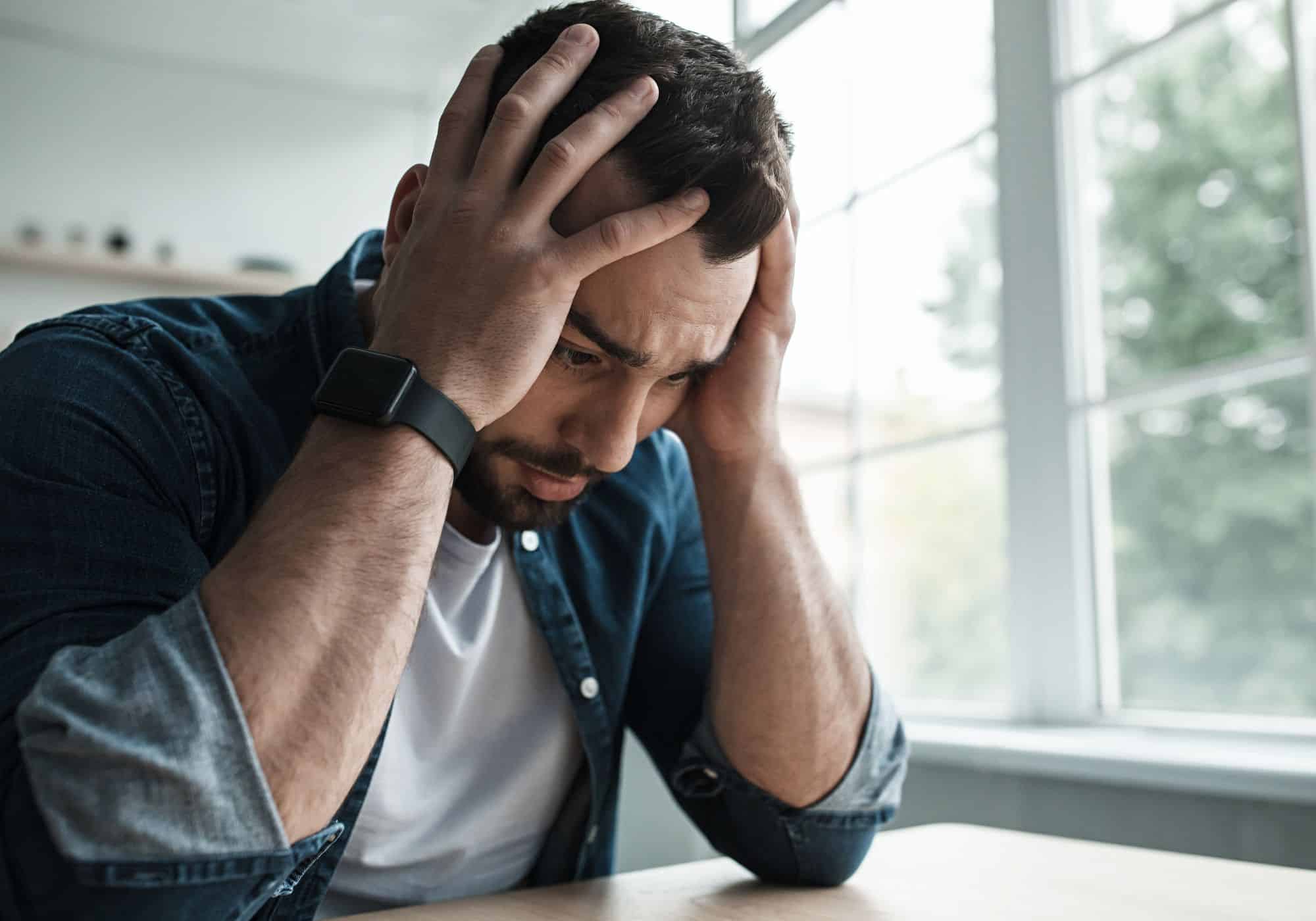
Substance misuse is notably higher among people living with anxiety disorders than in the broader population, and relapse risk can increase when anxiety symptoms are not treated alongside addiction support.
One common explanation is self regulation. People often begin using alcohol or drugs to manage anxiety symptoms. For example, someone with social anxiety may drink to “get through” stressful situations. Over time, the brain adapts. That can make it feel nearly impossible to relax without a substance, which increases the risk of dependence and addiction.
If you are dealing with anxiety and substance use together, the most effective approach is usually to address both at the same time through Dual Diagnosis Treatment while receiving structured care through our Addiction Treatment Program.
Anxiety Vs Panic Attacks
Anxiety and panic attacks can feel similar, but they are not the same. Anxiety often feels ongoing and persistent. Panic attacks are typically abrupt, intense spikes of fear with strong physical symptoms. If you’ve been trying to figure out which you’re experiencing, an assessment can help clarify what’s happening and what type of care fits best.
Generalized Anxiety Treatment Options
Anxiety treatment is often tailored to the severity of symptoms and how much anxiety affects daily functioning. Many people benefit from a combination of therapy and skill-building. Some may also benefit from medication support depending on symptoms, history, and clinical fit.
Psychotherapy
Therapy helps you understand anxiety patterns and build practical tools to respond differently. Cognitive behavioral therapy (CBT) is widely used for anxiety because it targets anxious thinking patterns and avoidance behaviors.
Medication Support When Appropriate
Some people may benefit from medication as part of a broader plan, especially when symptoms are moderate to severe. Certain medications may be used for longer-term anxiety management, while others are reserved for specific situations. For example, benzodiazepines may provide fast relief for acute anxiety symptoms, but they can be habit-forming and are generally not ideal for individuals with a history of substance misuse.
Anxiety Treatment And Substance Abuse Options
When anxiety and substance use occur together, treating one without the other often leads to setbacks. Integrated treatment addresses both conditions so they do not keep triggering each other.
If you need structured outpatient support, explore:
- Partial Hospitalization Program for higher structure and stabilization
- Intensive Outpatient Program for structured support while living at home
- Outpatient Program for flexible ongoing care and step-down support
Do I Need Anxiety Treatment
If you are experiencing any of the symptoms below, it may be time to seek professional support.
These signs can indicate anxiety is affecting daily functioning and quality of life:
- Overwhelming fear, worry, or panic that feels difficult to control
- Physical symptoms like heart palpitations, sweating, trembling, or a choking sensation
- Intense anxiety when away from a specific person or place
- Difficulty speaking in social situations or persistent fear of embarrassment
- Severe discomfort about leaving home or being in crowded places
- Strong fear triggered by specific objects or situations (phobia-like reactions)
- Avoiding people, places, or responsibilities to prevent anxiety symptoms
The most reliable way to know what level of care you need is a professional assessment. Once symptoms and risks are understood, your plan can match your needs instead of guessing.

Benefits Of An Anxiety Treatment In Atlanta
Choosing Hope Harbor Wellness for anxiety treatment can support both symptom relief and long-term stability.
Benefits often include:
- A Secure And Welcoming Environment: a supportive setting where you can focus on your next steps
- Experienced, Compassionate Team: clinicians who focus on practical strategies and consistent progress
- Individualized Care: treatment planning based on symptoms, triggers, and real life responsibilities
- Aftercare Planning: step-down support and resources to maintain progress after treatment
Outpatient Anxiety Treatment
Many anxiety disorders can be treated through outpatient care, which allows you to receive structured support while maintaining daily responsibilities.
For mild to moderate anxiety, a traditional outpatient plan or an Intensive Outpatient Program may be appropriate. For more severe anxiety symptoms or higher relapse risk, a Partial Hospitalization Program can provide more intensive structure while still allowing you to return home each day.
If you want help choosing the right fit, start with an assessment and we can map out the level of care that matches your symptoms, stability, and goals.
Finding The Right Treatment Center For Anxiety And Substance Abuse
If anxiety is connected to substance use, it is important to choose a provider that can address both concerns in a coordinated plan. Consider practical factors like location, affordability, the intensity of treatment options available, licensing and accreditations, staff experience, and whether co occurring conditions are treated routinely.
Hope Harbor Wellness provides a spectrum of outpatient care and dual diagnosis support so treatment addresses the full picture, not just one piece.

Finding the Right Treatment Center for Anxiety and Substance Abuse
Having multiple mental health conditions can complicate the diagnosis and treatment process. Thus, it becomes paramount to select a rehab facility tailored to your unique needs, ensuring the most effective path to recovery. Consider factors like geographical location, affordability, treatment intensities offered, valid licenses and accreditations, staff-to-patient ratio, and specialized expertise.
At our outpatient rehab center in Atlanta, Georgia, we specialize in addressing co-occurring disorders, delivering a comprehensive spectrum of care.
Paying for Anxiety Treatment in Atlanta, GA
Hope Harbor Wellness offers a range of payment options, including acceptance of several leading insurance plans. We also provide financing solutions and alternative payment methods for rehab services. To learn more about utilizing your insurance for anxiety treatment or addiction treatment, reach out to us at (678) 990-1270.
Our dedicated admissions team is available around the clock to address your inquiries and initiate the enrollment procedure. Alternatively, you can swiftly and confidentially confirm if we accommodate your insurance and validate your benefits through our online form. Don’t let anxiety or substance abuse hold you back from the life you deserve. Seek help today and start your anxiety treatment in Atlanta with Hope Harbor Wellness.
Start Treatment for Anxiety in Atlanta Today
Don’t let anxiety control your life any longer. Hope Harbor Wellness offers a path to overcome anxiety with our experienced and caring team. We provide tailored care, utilizing evidence-based therapies and a variety of therapeutic options to support you at every step of your recovery journey. Take the first step towards effective anxiety treatment in Atlanta by reaching out to us. Together, we will work towards regaining control of your mental health and paving the way for a more fulfilling, healthier future.
Anxiety Disorders FAQs
What are anxiety disorders, and when should someone seek help for chronic anxiety or panic?
Anxiety disorders encompass generalized anxiety, panic disorder, social anxiety, phobias, and more. Seek help if worry, panic, or avoidance persists six months, interferes with work or relationships, or triggers physical symptoms like palpitations.
How can mental health services assist someone dealing with an anxiety disorder?
Services provide diagnostic evaluation, evidence-based psychotherapies (CBT, exposure, ACT), medication management (SSRIs, SNRIs, beta-blockers), and skills workshops for relaxation and grounding.
What types of therapy are effective for treating anxiety disorders?
CBT restructures catastrophic thinking; exposure therapy desensitizes phobias; mindfulness-based stress reduction (MBSR) calms body sensations; acceptance and commitment therapy (ACT) boosts tolerance of discomfort.
Can anxiety disorders be managed without medication, or is medication usually needed?
Many achieve remission with therapy and lifestyle changes alone, but moderate-to-severe cases often benefit from SSRIs or short-term benzodiazepines for acute relief, paired with therapy.
What are signs that normal worry has become an anxiety disorder?
Persistent rumination, sleep disturbance, muscle tension, avoidance of everyday tasks, frequent panic attacks, and excessive reassurance-seeking suggest clinical anxiety requiring treatment.
How do professionals diagnose an anxiety disorder?
They conduct interviews, rule out medical causes (thyroid, cardiac issues), and apply DSM-5 criteria, sometimes using standardized scales like the GAD-7 or Panic Severity Index.
Additional Resources For Anxiety And Recovery
If anxiety is affecting your daily life, or if you are using substances to cope with anxiety symptoms, these resources can help you understand your next step and explore the right level of care.
Related Treatment Options At Hope Harbor Wellness
- Dual Diagnosis Treatment
- Addiction Treatment Program
- Partial Hospitalization Program
- Intensive Outpatient Program
- Outpatient Program
Supportive Services That May Be Part Of Your Plan
- Drug Detox if withdrawal risk or medical stabilization is needed first
- Sober Living through trusted partners when home triggers are high
- Telehealth For Addiction for continuity of care when virtual treatment is clinically appropriate
Trusted National Mental Health Resources
- 988 Suicide And Crisis Lifeline
- SAMHSA National Helpline
- National Institute Of Mental Health, Anxiety Disorders
- Anxiety And Depression Association Of America
If you are unsure which resource fits your situation, the simplest next step is to schedule an assessment so we can recommend the right level of care based on your symptoms, relapse risk, and support needs.
Contact us today at 770-573-9546 or fill out our online contact form for a free confidential assessment.