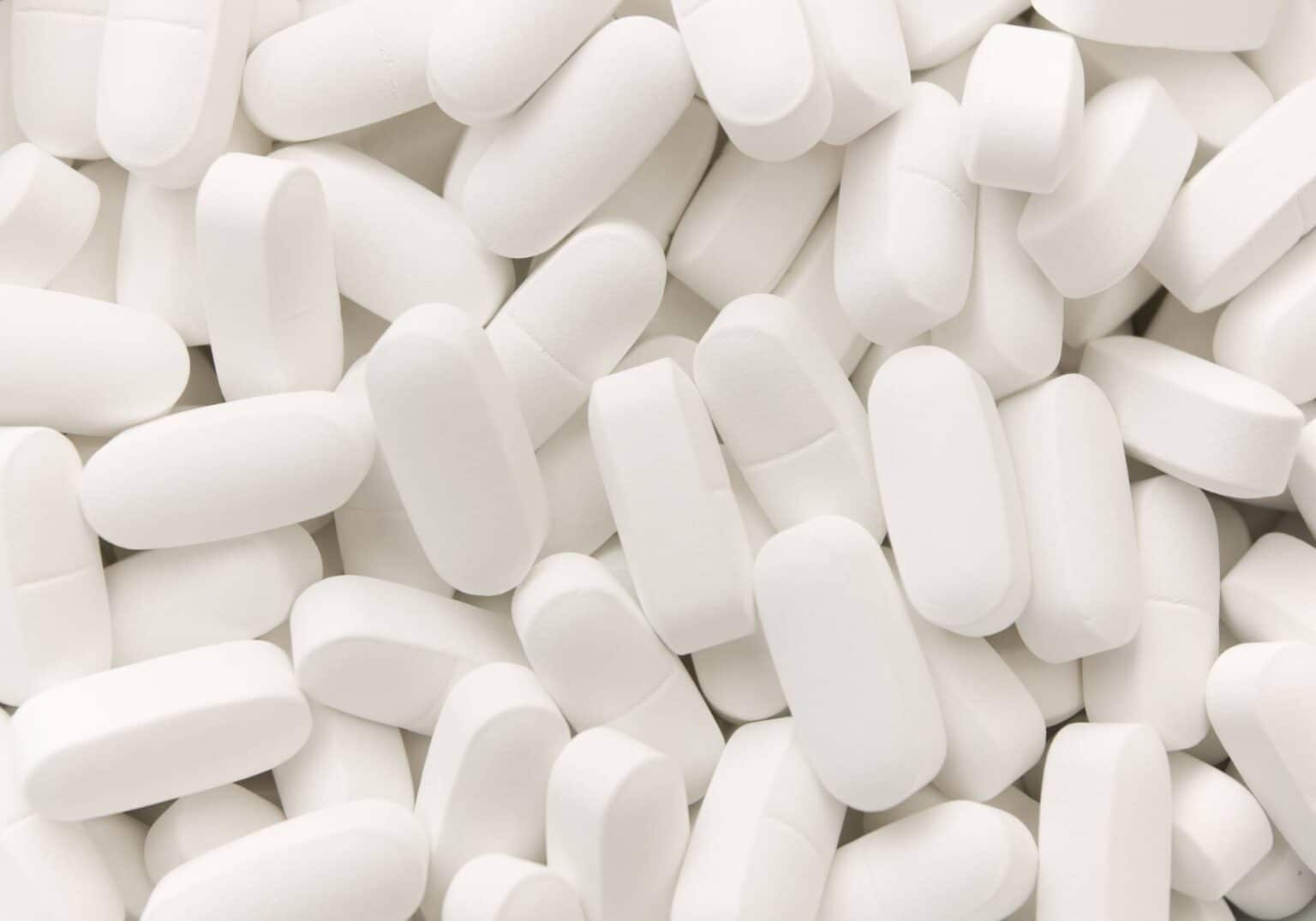

The m367 pill, often recognized as a white oblong pill or white oval pill, is a prescription medication widely utilized for managing moderate to severe pain. Comprising a combination of hydrocodone bitartrate and acetaminophen, this potent analgesic carries significant benefits when used as prescribed but also poses considerable risks, including the potential for dependence and addiction. Whether you’ve been recently prescribed the m367 pill for post-surgical pain, injury, or chronic conditions like arthritis, understanding its composition, mechanism of action, appropriate dosages, and potential adverse effects is paramount. This comprehensive guide aims to address frequently asked questions, shed light on associated risks, including overdose and the dangers of counterfeit pills, and provide guidance toward effective treatment options should dependence or addiction to the m367 pill develop. We will also explore the differences between the m367 pill and other similar medications like the m365 pill.
What is the M367 Pill? A Detailed Overview
The m367 pill is a distinctive white, oblong, and scored tablet typically imprinted with “M367” on one side. Each tablet contains 10 milligrams (mg) of hydrocodone bitartrate and 325 mg of acetaminophen. This specific formulation makes the m367 pill a powerful tool in pain management, particularly for moderate to severe pain arising from injuries, post-surgical recovery, or serious chronic conditions such as advanced arthritis and severe back pain.
Hydrocodone, an opioid analgesic, acts on the central nervous system to alter the brain’s perception of pain signals and emotional response to pain. Acetaminophen, a non-opioid pain reliever, works synergistically with hydrocodone by enhancing its pain-relieving effects and also helps to reduce fever. This dual-action mechanism provides more comprehensive pain relief than either ingredient could offer alone. Brand names commonly associated with the m367 pill include Vicodin ES, Norco 10/325, and Lortab 10/325, all signifying similar formulations of hydrocodone and acetaminophen.
What is the M367 Pill Used For? Therapeutic Applications
The m367 pill is primarily prescribed when other, less potent pain relievers, such as non-opioid medications, have proven ineffective or are deemed unsuitable for a patient’s condition. Its strong analgesic properties make it a go-to option for specific scenarios of acute and chronic pain management.
Specific conditions for which the m367 pill is commonly prescribed include:
- Post-surgical pain: Effectively manages intense pain experienced after surgical procedures, aiding in patient recovery and comfort.
- Injury-related pain: Alleviates significant pain resulting from various types of injuries, from fractures to severe sprains.
- Arthritis pain: Provides relief from chronic, debilitating pain associated with different forms of arthritis, particularly when inflammation and discomfort are severe.
- Chronic back pain: Helps manage persistent and severe back pain issues that interfere with daily activities and quality of life.
- Severe cough: Due to hydrocodone’s antitussive (cough-suppressing) properties, the m367 pill can also be used to suppress persistent and severe coughs, particularly those that are non-productive and disruptive.
Understanding the M367 Pill’s Mechanism of Action
The effectiveness of the m367 pill stems from the combined action of its two active ingredients: hydrocodone and acetaminophen.
- Hydrocodone: As an opioid, hydrocodone works by binding to opioid receptors located in the brain and spinal cord, which are part of the central nervous system. When hydrocodone attaches to these receptors, it blocks pain signals from reaching the brain, thereby reducing the perception of pain. It also affects the emotional response to pain, often inducing a sense of euphoria or well-being, which contributes to its addictive potential.
- Acetaminophen: This non-opioid analgesic and antipyretic (fever-reducing) agent works through a different pathway. While its exact mechanism is not fully understood, it is believed to inhibit the production of prostaglandins in the brain, which are chemicals involved in mediating pain and fever. Acetaminophen enhances the pain-relieving effects of hydrocodone, allowing for a lower opioid dose to achieve the desired analgesic effect, which theoretically reduces some opioid-related side effects.
Together, these ingredients offer a potent pain management solution. However, due to its opioid content, the m367 pill carries a significant risk of physical and psychological dependence, and even addiction, if not used under strict medical supervision and precisely as prescribed.
What Does the M367 Pill Look Like? Identifying Your Medication
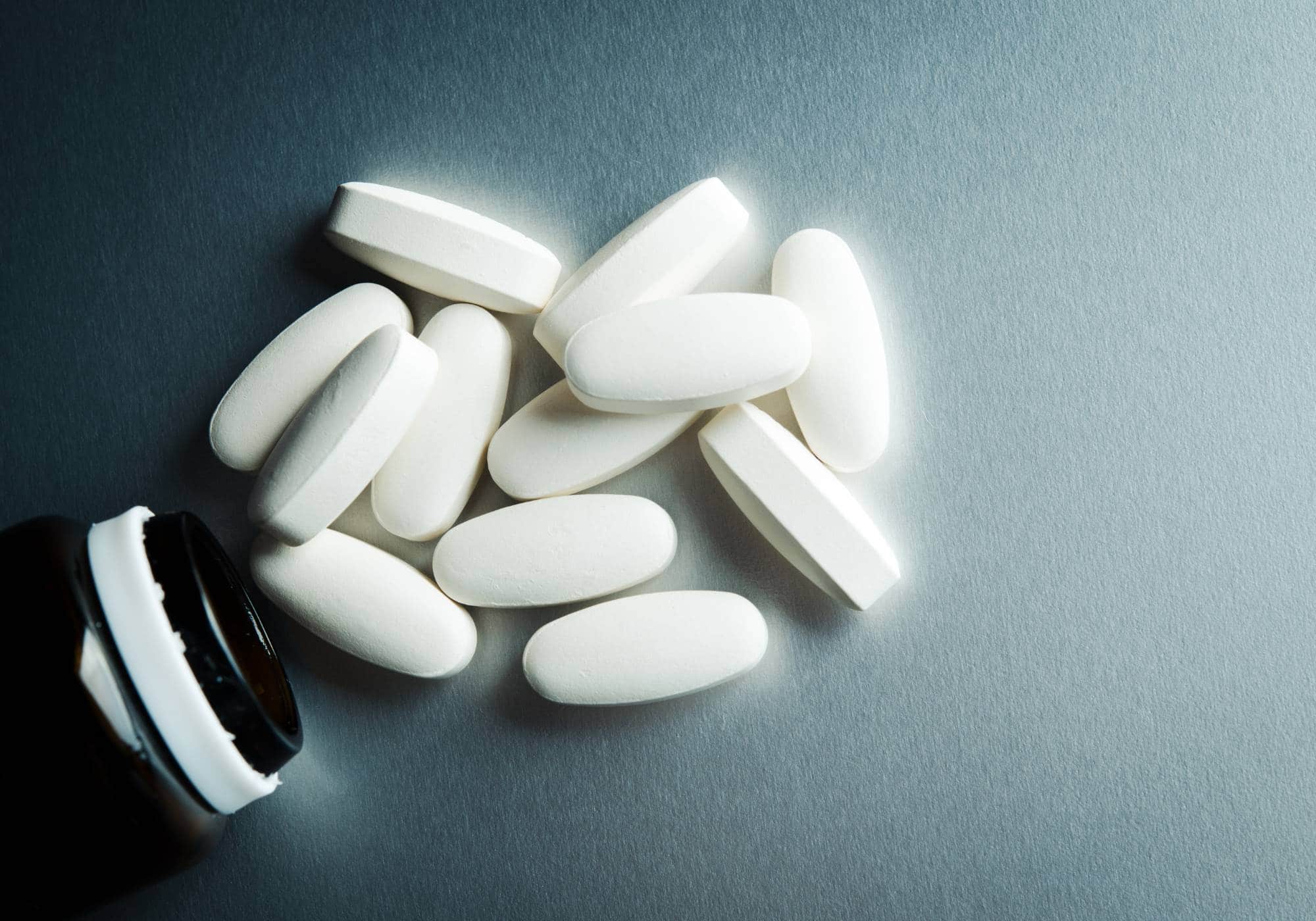
Understanding the physical characteristics of your medication is crucial for safe use and proper identification. The M367 pill is specifically designed for recognition, appearing as a white oblong pill or white oval pill. It is typically scored on one side, allowing it to be easily broken in half if a lower dose is prescribed. The most distinguishing feature of the M367 pill is the clear “M367” imprint on one side.
For definitive identification and to confirm its contents, always refer to the prescription label on the container. This label should explicitly state that the pills contain 10 milligrams (mg) of Hydrocodone Bitartrate and 325 mg of Acetaminophen. This combination is vital to its function in managing moderate to severe pain. Always cross-reference the pill’s appearance with the description on your prescription bottle to ensure you have the correct medication and dosage, especially given the dangers of counterfeit pills. If there is any discrepancy or doubt, consult your pharmacist or healthcare provider immediately.
M367 Pill Types and Distinctions: M365 vs. M367
While the m367 pill itself is consistent in its formulation and appearance (a white oblong pill with “M367” imprint), it’s important to understand that other hydrocodone-acetaminophen combinations exist with varying dosages. The most common variations users search for are the m365 pill and the M366 pill.
The primary difference between the m365 pill, M366 pill, and the m367 pill lies specifically in their hydrocodone content, while all three typically contain the same amount of acetaminophen (325 mg).
- M365 pill: Contains 5 mg of hydrocodone bitartrate and 325 mg of acetaminophen. This white oblong pill is considered the lowest strength in this series.
- M366 pill: Contains 7.5 mg of hydrocodone bitartrate and 325 mg of acetaminophen.
- M367 pill: Contains 10 mg of hydrocodone bitartrate and 325 mg of acetaminophen, making it the highest strength among these three commonly encountered formulations.
This variation in opioid dosage allows healthcare providers to tailor pain management to the specific needs, severity of pain, and tolerance levels of individual patients. It’s crucial for patients to be aware of which specific pill (e.g., m365 pill vs. m367 pill) they have been prescribed to avoid accidental overdose or under-dosing.
Dosage Guidelines for the M367 White Oblong Pill
When taking the m367 white oblong pill, adhering strictly to the prescribed dosage is critical for both safety and effectiveness. The information provided here is for general understanding and should not replace professional medical advice. Always consult with your healthcare provider before initiating, modifying, or discontinuing your dosage.
Standard Dosage:
- Adults: The typical recommended dose is one tablet (10 mg hydrocodone/325 mg acetaminophen) taken every 4 to 6 hours as needed for pain. It is critically important not to exceed 6 tablets (or 60 mg of hydrocodone and 1950 mg of acetaminophen) in a 24-hour period. Exceeding the acetaminophen limit can lead to severe liver damage.
- Children: Dosage for children must be precisely determined by a healthcare provider based on the child’s weight, age, and specific medical condition, due to the higher risk of side effects.
Important Considerations for Safe Use:
- Physician Consultation is Paramount: Your doctor will consider your complete medical history, existing health conditions (especially liver or kidney issues), current medications, and overall health to determine the safest and most effective dosage.
- Avoid Overuse: Prolonged or excessive use of the m367 pill significantly increases the risk of serious side effects, including acute liver damage from acetaminophen toxicity and the development of physical dependence and addiction to hydrocodone.
- Monitor Side Effects: Be vigilant for potential side effects such as drowsiness, dizziness, nausea, vomiting, constipation, and lightheadedness. If you experience any severe or concerning side effects, contact your healthcare provider immediately.
- Special Populations:
- Elderly Patients: Often require a lower initial dosage due to increased sensitivity to medication and slower metabolism.
- Patients with Liver or Kidney Issues: Significant dosage adjustments are typically necessary to prevent accumulation of the drugs and potential complications.
How Long Does the M367 Pill Stay In Your System?
Understanding the detection windows for the m367 pill can be important for various reasons, including medical monitoring and drug testing. The length of time this medication remains detectable in your system depends on several factors, including the dosage taken, frequency and duration of use, individual metabolism, age, liver and kidney function, and hydration levels.
Generally, components of the m367 pill can be detected in various biological samples:
- Urine: Hydrocodone can typically be detected in urine for up to 2 to 4 days (48 to 96 hours) after the last dose. Acetaminophen metabolites are usually detectable for a shorter period, around 24 hours.
- Blood: In blood tests, hydrocodone typically remains detectable for approximately 6 to 24 hours after the last dose.
- Saliva: Hydrocodone can be detected in saliva for about 12 to 36 hours.
- Hair Follicles: Hair follicle tests have the longest detection window, potentially identifying hydrocodone use for up to 90 days after the last dose, providing a historical record of drug use.
These are general estimates, and individual variations can occur. It’s crucial to discuss any concerns about drug detection with a healthcare professional.
Side Effects of the M367 Pill: What to Watch For
When taking the m367 pill, it is important to be aware of the range of potential side effects, which can vary in severity. Knowing what to expect can help you manage them effectively and seek prompt medical attention when necessary.
Common Short-Term Effects (Often Mild and May Subside):
- Drowsiness: Feeling sleepy or sedated.
- Dizziness: Lightheadedness or feeling unsteady.
- Nausea and Vomiting: Stomach upset, particularly when first starting the medication.
- Constipation: A very common opioid side effect due to slowed bowel movements.
- Lightheadedness: Especially when standing up quickly.
- Itching: A common reaction to opioids.
Severe Long-Term Effects and Serious Adverse Reactions (Require Immediate Medical Attention):
- Dependence or Addiction: This is a significant risk with regular or prolonged use of the opioid component (hydrocodone).
- Liver Damage: High doses of acetaminophen, especially when combined with alcohol, can lead to severe and potentially fatal liver damage (acute liver failure).
- Respiratory Depression: Slowed, shallow, or difficult breathing, which can be life-threatening and is a primary concern with opioid overdose.
- Severe Allergic Reactions: Symptoms like rash, hives, swelling of the face, lips, or throat, and difficulty breathing.
- Mental Health Changes: Including severe mood swings, confusion, profound depression, or unusual thoughts.
- Adrenal Insufficiency: Fatigue, weakness, loss of appetite, and dizziness if left untreated.
- Serotonin Syndrome: A potentially life-threatening condition caused by an excess of serotonin, especially when combined with certain antidepressants. Symptoms include agitation, hallucinations, rapid heart rate, fever, and muscle rigidity.
If you experience any of these severe effects, it is crucial to seek emergency medical attention immediately. Always inform your doctor of any adverse reactions to ensure your safety and to allow for potential adjustments to your treatment plan.
Is the M367 Pill a Controlled Substance? Legal and Safety Implications
Yes, the m367 pill is classified as a controlled substance in the United States. Due to its hydrocodone content, which is an opioid, it falls under the regulations of the Controlled Substances Act. Specifically, the m367 pill (hydrocodone/acetaminophen combinations) is classified as a Schedule II controlled substance by the Drug Enforcement Administration (DEA).
This classification signifies that the m367 pill has a high potential for abuse, which can lead to severe psychological or physical dependence. As a Schedule II drug, it is subject to stringent regulations regarding its prescription, dispensing, and storage.
This means:
- It is only available by prescription from a licensed healthcare provider.
- Prescriptions typically cannot be refilled and require a new prescription each time.
- Healthcare providers must exercise caution and adhere to strict guidelines when prescribing to minimize misuse and diversion.
- Patients should use it only under the direct supervision of a healthcare provider to ensure safe and effective use and to mitigate the risk of addiction.
Safe Handling and Disposal of the M367 Pill:
Given its controlled substance status and potential for harm, proper handling and disposal of the m367 pill are essential.
- Secure Storage: Always keep the medication in a secure place, out of sight and reach of children, pets, and anyone for whom it is not prescribed. A locked cabinet is ideal.
- Do Not Share: Never share your prescription medication with anyone else, even if they have similar symptoms.
- Proper Disposal: Do not flush unused medication down the toilet or throw it in the trash, as this can pose environmental risks or allow others to find and misuse it. Follow specific drug take-back programs or consult with your pharmacist for proper disposal methods.
Risks Associated with the M367 Pill: Interactions and Counterfeits
Beyond general side effects and the risk of dependence, the m367 pill carries specific risks related to its interactions with other substances and the growing threat of counterfeit medications.
M367 Pill Interactions:
Combining the m367 pill with certain other substances can significantly increase the risk of severe side effects, overdose, or reduced efficacy.
- Alcohol: Concurrent use of the m367 pill and alcohol dramatically increases the risk of severe drowsiness, dizziness, respiratory depression (slowed breathing), and acute liver damage due to the combined effects of acetaminophen and alcohol.
- Central Nervous System (CNS) Depressants: This category includes benzodiazepines (e.g., Xanax, Valium), other opioids, muscle relaxers, and certain antihistamines. Combining these with the m367 pill can enhance sedative effects, leading to extreme drowsiness, profound respiratory depression, coma, and even death.
- Seizure Medications: Some anti-seizure medications can alter the metabolism of hydrocodone, potentially affecting its efficacy or increasing its concentration in the body.
- Liver Enzyme-Affecting Drugs: Certain antibiotics (e.g., erythromycin), antifungals (e.g., ketoconazole), and other medications can interfere with how the liver processes hydrocodone, leading to either increased toxicity or reduced pain relief.
Always provide your healthcare provider with a complete list of all medications, supplements, and herbal products you are currently taking before starting the m367 pill to avoid harmful interactions.
Counterfeit M367 Pills:
Counterfeit medications, particularly those mimicking prescription opioids like the m367 pill, pose an extremely significant and often lethal health risk. These fake pills are designed to look identical to legitimate hydrocodone-acetaminophen tablets but frequently contain dangerous and unpredictable substances, most commonly illicit fentanyl. Fentanyl is an incredibly potent synthetic opioid that can be lethal even in minuscule amounts (as little as 2 milligrams, equivalent to a few grains of salt).
The ingestion of counterfeit pills can lead to:
- Unexpected Overdoses: Because the amount of fentanyl in fake pills is inconsistent and unknown, individuals can easily take a lethal dose without realizing it.
- Severe Health Complications: Beyond overdose, the unknown chemicals in counterfeit pills can cause various severe health problems.
- Death: Fentanyl-related overdoses are a leading cause of accidental drug deaths.
It is absolutely critical to obtain all medications from reputable, licensed pharmacies and to never purchase pills from informal sources or online without a valid prescription. Always verify the authenticity of your medication if there is any doubt.
Can You Overdose on the M367 Pill? Recognizing and Responding to Overdose
Yes, it is definitively possible to overdose on the m367 pill, and such an event can be life-threatening. An overdose typically occurs due to excessive intake of either the hydrocodone component, the acetaminophen component, or both.
Hydrocodone Overdose:
The primary danger from an opioid overdose is severe respiratory depression (breathing becomes extremely slow or stops), leading to a lack of oxygen to the brain.
Acetaminophen Overdose:
Excessive amounts of acetaminophen can cause severe acute liver failure, which can be fatal if not treated promptly. Symptoms of acetaminophen toxicity may not appear immediately, making it particularly dangerous.
Recognizing the Signs and Symptoms of an M367 Overdose:
It is crucial to be able to recognize the signs of an overdose to enable timely intervention.
Symptoms may include:
- Extreme drowsiness or sedation
- Confusion or disorientation
- Difficulty breathing (slow, shallow, or irregular breaths; gasping)
- Pinpoint pupils (pupils appear very small)
- Nausea and vomiting
- Cold, clammy skin
- Limp body
- Loss of consciousness or unresponsiveness
- Blue-tinged lips or fingernails (due to lack of oxygen)
- Seizures (less common but possible)
What to Do If You Suspect an M367 Overdose
If you suspect an overdose of the m367 pill, it is critical to act quickly and decisively:
- Call Emergency Services Immediately: Dial 911 (or your local emergency number) without delay. Provide accurate information about the individual’s condition and the amount and timing of the drug taken if known.
- Administer Naloxone (Narcan) If Available: If you have access to naloxone (an opioid overdose reversal medication) and are trained to use it, administer it immediately. Naloxone can temporarily reverse the effects of an opioid overdose and save a life, buying critical time until paramedics arrive.
- Keep the Person Awake and Breathing: Try to keep the person awake and responsive. If they become unconscious, place them in the recovery position (on their side) to prevent choking if they vomit.
- Do Not Induce Vomiting: Never attempt to induce vomiting unless specifically instructed to do so by a healthcare professional.
- Stay with the Person: Do not leave the individual alone until medical help arrives.
Is the M367 Pill Addictive? Understanding Dependence and Addiction
Yes, the m367 pill can be highly addictive. Its hydrocodone component is an opioid, a class of drugs well-known for their significant potential to cause both physical and psychological dependence. Even when taken exactly as prescribed, regular use of opioid medications like the m367 pill can lead to the development of tolerance, meaning that higher doses are needed over time to achieve the same level of pain relief. Beyond tolerance, physical dependence can occur, where the body adapts to the presence of the drug and experiences unpleasant withdrawal symptoms if the medication is abruptly stopped or the dose is reduced.
Addiction, or Opioid Use Disorder (OUD), goes beyond physical dependence. It is a chronic brain disease characterized by compulsive drug-seeking and use, despite harmful consequences. This involves cravings, loss of control over drug use, and continued use even when it causes significant problems in a person’s life. Recognizing this inherent risk, it is crucial to use the m367 pill only as prescribed by a healthcare professional and for the shortest duration necessary to minimize the risk of dependence and addiction.
M367 Withdrawal Symptoms
When physical dependence on the m367 pill develops, stopping its use can trigger a range of uncomfortable and challenging withdrawal symptoms. These symptoms can vary in intensity depending on the duration of use, dosage, and individual factors.
Common withdrawal symptoms from hydrocodone include:
- Early Symptoms (within hours of last dose): Anxiety, restlessness, yawning, watery eyes, runny nose, sweating, muscle aches, and trouble sleeping.
- Later Symptoms (more intense, peaking 24-72 hours): Nausea and vomiting, abdominal pain, diarrhea, dilated pupils, goosebumps, rapid heart rate, high blood pressure, and intense cravings.
While opioid withdrawal is typically not life-threatening (unlike alcohol or benzodiazepine withdrawal), it can be extremely uncomfortable and distressing, often leading individuals to continue using the drug to avoid these symptoms. Seeking medical guidance is crucial for a safe and more manageable withdrawal process. Medically supervised detoxification can help alleviate discomfort and prevent complications.

The Landscape of Opioid Addiction: How Common Is It?
Opioid addiction, including dependence on prescription pain relievers like the m367 pill, continues to be a critical public health crisis in the United States. While the 2016 estimate of 2.1 million people suffering from opioid use disorder highlights the widespread nature of the problem, the opioid crisis has intensified in recent years, largely driven by the proliferation of synthetic opioids like fentanyl. Opioids have been involved in a staggering number of overdose deaths, with figures increasing significantly over the past decade. For instance, in 2017 alone, opioids were implicated in nearly 47,600 fatalities. Despite ongoing efforts in prevention, treatment, and harm reduction, opioid addiction remains a severe challenge, impacting healthcare systems, families, and communities across the nation.
Treatment for M367 Addiction: Pathways to Recovery
Despite the m367 pill being a legitimate prescription medication, its opioid content means it carries a significant potential for dependence and addiction if misused or used beyond prescribed guidelines. Addressing addiction to the m367 pill requires a comprehensive and individualized treatment plan designed to tackle the physical, psychological, and social dimensions of opioid use disorder. If you or a loved one is struggling, understanding what to expect from treatment can be an important first step.
Effective Opioid Addiction Treatment Approaches:
Treating addiction involves a multifaceted approach that integrates various therapeutic modalities, often delivered within both inpatient and outpatient settings.
These comprehensive programs aim for holistic recovery and typically include:
- Detoxification: The initial phase, where medical supervision helps manage withdrawal symptoms safely and comfortably. Medication-assisted treatment (MAT) is often initiated here.
- Medication-Assisted Treatment (MAT): This combines FDA-approved medications (such as buprenorphine, naltrexone, or methadone) with counseling and behavioral therapies. MAT is highly effective in reducing cravings, preventing relapse, and supporting long-term recovery.
- Psychotherapy: Individual counseling is central to treatment. Therapies like Cognitive Behavioral Therapy (CBT) and Dialectical Behavior Therapy (DBT) help individuals identify triggers, develop coping mechanisms, address underlying mental health issues, and change problematic thought patterns.
- Group Therapy: Provides a supportive environment where individuals can share experiences, receive peer support, and learn from others facing similar challenges, reducing feelings of isolation.
- Family Therapy: Involves family members in the treatment process, helping to heal strained relationships, improve communication, and educate families on supporting recovery.
- Case Management: Helps individuals connect with vital resources such as housing, employment, legal aid, and ongoing healthcare.
- Aftercare Planning: Crucial for sustained sobriety, this involves developing a long-term plan that may include ongoing therapy, support groups (e.g., Narcotics Anonymous), and relapse prevention strategies.
Contact Hope Harbor Wellness We Are Your Partner in Recovery
Prescription medications like the m367 pill are powerful tools for pain management, but they are not without risks, especially regarding dependence and addiction. If your reliance on the m367 pill has transitioned into an addiction, or if you’ve developed a physical dependence and experience withdrawal symptoms when you try to stop, know that you are not alone, and professional support is readily available. With expert guidance, these challenging symptoms can be managed, and you can achieve lasting recovery for a significantly higher quality of life.
At Hope Harbor Wellness, we specialize in comprehensive outpatient addiction treatment in Atlanta, providing targeted care for individuals struggling with prescription drug and opioid addiction. Our dedicated team of treatment experts offers a diverse range of evidence-based therapies and fosters a supportive community designed to help you achieve long-term sobriety and overall well-being. We understand the unique challenges associated with opioid dependence and are committed to guiding you through every step of your healing journey. Contact Hope Harbor Wellness today at 770-573-9546or fill out our online contact form to learn more about our tailored programs and take the crucial first step toward reclaiming your health and narrative.
Frequently Asked Questions About the M367 Pill
What pill is M367?
The m367 pill is a white oblong pill or white oval pill imprinted with “M367”, containing 10 mg of hydrocodone bitartrate and 325 mg of acetaminophen, used for moderate to severe pain relief.
What does the M367 pill treat?
The m367 pill treats moderate to severe pain from various conditions, including post-surgical pain, injuries, arthritis, chronic back pain, and can also be used to suppress severe coughs.
How does the M367 pill make you feel?
The m367 pill primarily makes you feel pain relief. It can also cause drowsiness, dizziness, lightheadedness, and sometimes a sense of euphoria due to its hydrocodone content.
Is the M367 pill a controlled substance?
Yes, the m367 pill is classified as a Schedule II controlled substance due to its hydrocodone content, which has a high potential for abuse and dependence.
What is the difference between the M365 pill and the M367 pill?
The main difference between the m365 pill and the m367 pill is their hydrocodone content: the m365 pill contains 5 mg of hydrocodone, while the m367 pill contains 10 mg, both with 325 mg of acetaminophen.
What are the main side effects of the M367 pill?
Common side effects include drowsiness, dizziness, nausea, vomiting, and constipation. More severe risks include addiction, liver damage (from acetaminophen), and respiratory depression.
How long does the M367 pill stay in your system?
The m367 pill can be detected in urine for up to 2-4 days, in blood for about 6-24 hours, and in hair for up to 90 days, depending on various factors.
Can you safely stop taking the M367 pill on your own?
No, if you have been taking the m367 pill regularly, it is not safe to stop abruptly due to potential withdrawal symptoms. Always consult your healthcare provider to develop a safe tapering plan.
What are the dangers of counterfeit M367 pills?
Counterfeit m367 pills are extremely dangerous as they often contain unknown and potentially lethal amounts of illicit substances like fentanyl, leading to a high risk of accidental overdose and death.