

When you come across lorazepam (often called Ativan), it’s natural to ask, “How long does Ativan stay in your system?” This question is especially important if you or someone you love relies on this medication for anxiety or other mental health concerns. According to the National Library of Medicine, when taken orally, Ativan is absorbed at a moderate pace and primarily processed in the liver before the body flushes it out through urine.
If you’re navigating life with substance abuse or mental health challenges, such as anxiety or panic disorders, understanding how long does lorazepam stay in your system can bring clarity. It helps you better grasp your medication schedule, potential side effects, and the importance of professional support. At Hope Harbor Wellness we recognize how vital it is for people to have accurate information about medications and their effects.
This guide explores how long does Ativan stay in your system, its half-life, and factors that influence the drug’s elimination. Learning these details helps you or your loved ones make informed choices. Knowing how the body processes lorazepam can also be significant if you’re seeking outpatient drug treatment in Atlanta, GA, and want to manage or discontinue this medication responsibly under medical supervision.
How Long Does Ativan Stay in Your System?
How long does Ativan stay in your system depends on multiple factors, including dosage, frequency of use, age, metabolism, and overall health. It’s also essential to distinguish between how long you feel the medication’s calming effects and how long it remains detectable in your body.
Beyond simply asking “How long does Ativan last?”, it’s wise to look at its half-life, which describes how quickly your body breaks down half of a drug’s initial concentration. You might also wonder, “How long does lorazepam last in your system?” or “Ativan how long does it last?” These questions all lead back to understanding the Ativan half-life and the body’s elimination processes.
If you’re facing mental health struggles or substance misuse, learning about the timing, side effects, and safe use of Ativan can make a big difference. This knowledge is especially true if you are in an outpatient drug rehab in Atlanta, GA, where medical teams can guide you step by step. Let’s explore how this medication works and how it can be identified in various tests.
Ativan Half-Life & Elimination
The half-life of Ativan—the period required for the drug’s concentration in the bloodstream to reduce by half—is often cited at around 12 hours. Yet in many cases, experts estimate the half-life of lorazepam to range anywhere from 10 to 20 hours. A drug’s half-life offers useful insight: typically, a medication becomes negligible in your system after about five or six half-lives.
For most individuals, Ativan’s metabolism primarily takes place in the liver. From there, the kidney eliminates the remnants through urine. Even so, someone who uses Ativan heavily or has a high tolerance might take more time to flush the drug from their body. Studies suggest that most of the medication is gone within five days, but certain metabolites (byproducts of the breakdown process) can linger for a week or longer.
It’s also important to note that the 1 mg Ativan half-life is roughly the same as that of larger doses; the key difference is the total amount of medication you’ve consumed. Higher doses naturally produce higher concentrations, which can mean an extended elimination window.
How Long Does Ativan Stay in Your System?
Ativan, also recognized by its generic name lorazepam, is a sedative-hypnotic medication often prescribed for anxiety, seizure disorders, or similar conditions. The drug belongs to the benzodiazepine family, known for their calming and sometimes drowsy effects.
Intermediate Onset
When you take Ativan by mouth, you typically start to feel its effects between 15 and 30 minutes, with peak effects around the two-hour mark. Because this medication acts relatively quickly, it’s useful for sudden anxiety or panic attacks.
Half-Life of Ativan
The lorazepam half life—or how long it takes the body to break down half of the initial drug concentration—is about 12 hours for many people. But again, that range can span 10 to 20 hours based on factors like body weight, age, or overall health.
Clearance Timeline
Even though the most noticeable effects fade a few hours after ingestion, smaller traces can stay in the body for around three days. In hair follicles, minuscule amounts might remain detectable for up to 30 days. For those who use Ativan routinely, the concern is the risk of tolerance and dependence. As your body gets used to the drug, quitting abruptly may trigger withdrawal symptoms. This is why proper oversight, often available through outpatient programs, can help individuals stop safely if they choose.
How Long Does Ativan Stay in Your System: What Do Laboratory Tests Say?
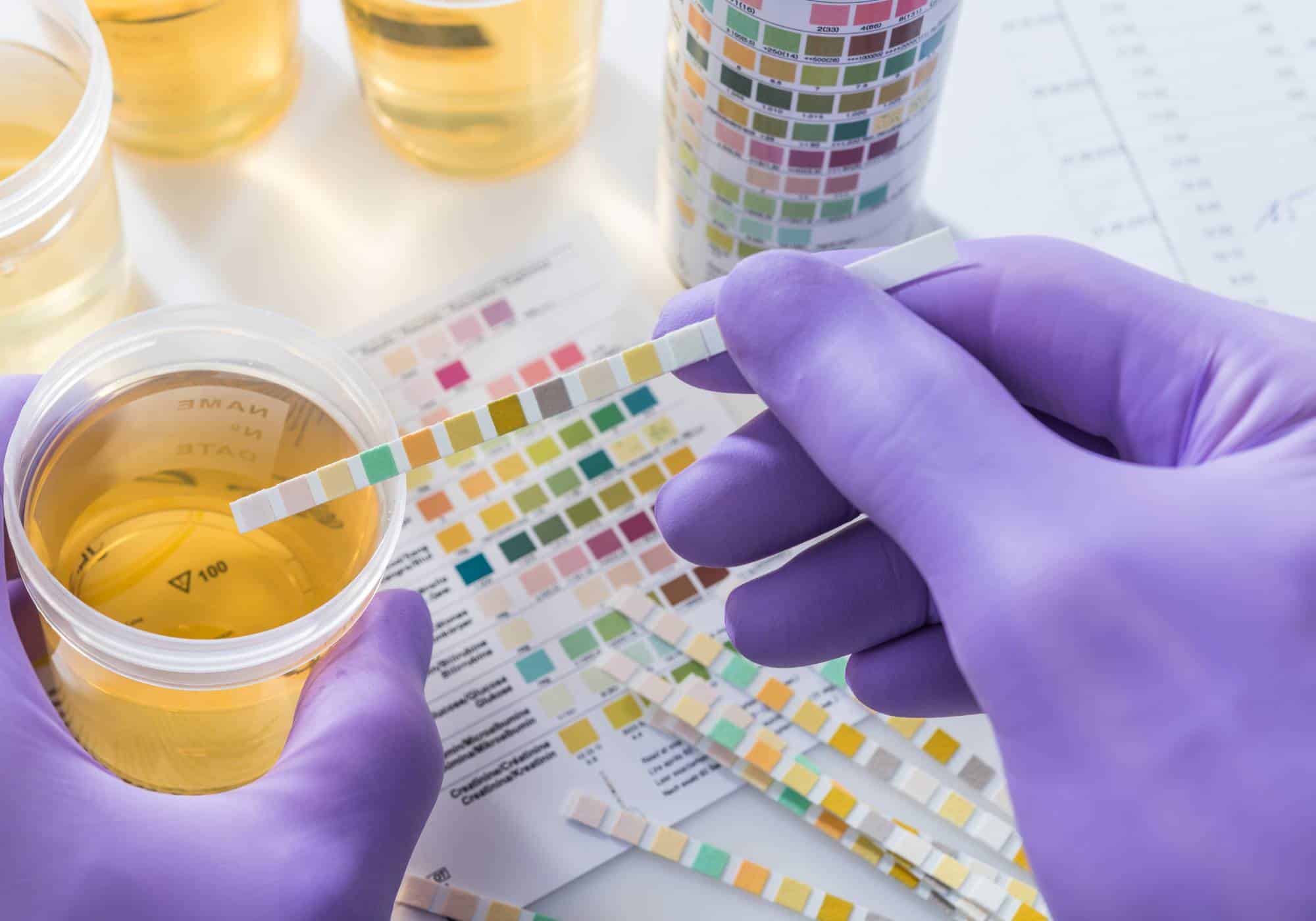
Laboratory tests can detect Ativan in different ways. Each method looks for the parent drug or its metabolites in your body fluids or tissues. If you’re concerned about drug tests—for instance, because of employment, legal requirements, or personal health monitoring—knowing these detection windows can be valuable.
How Long Does Ativan Stay in Urine
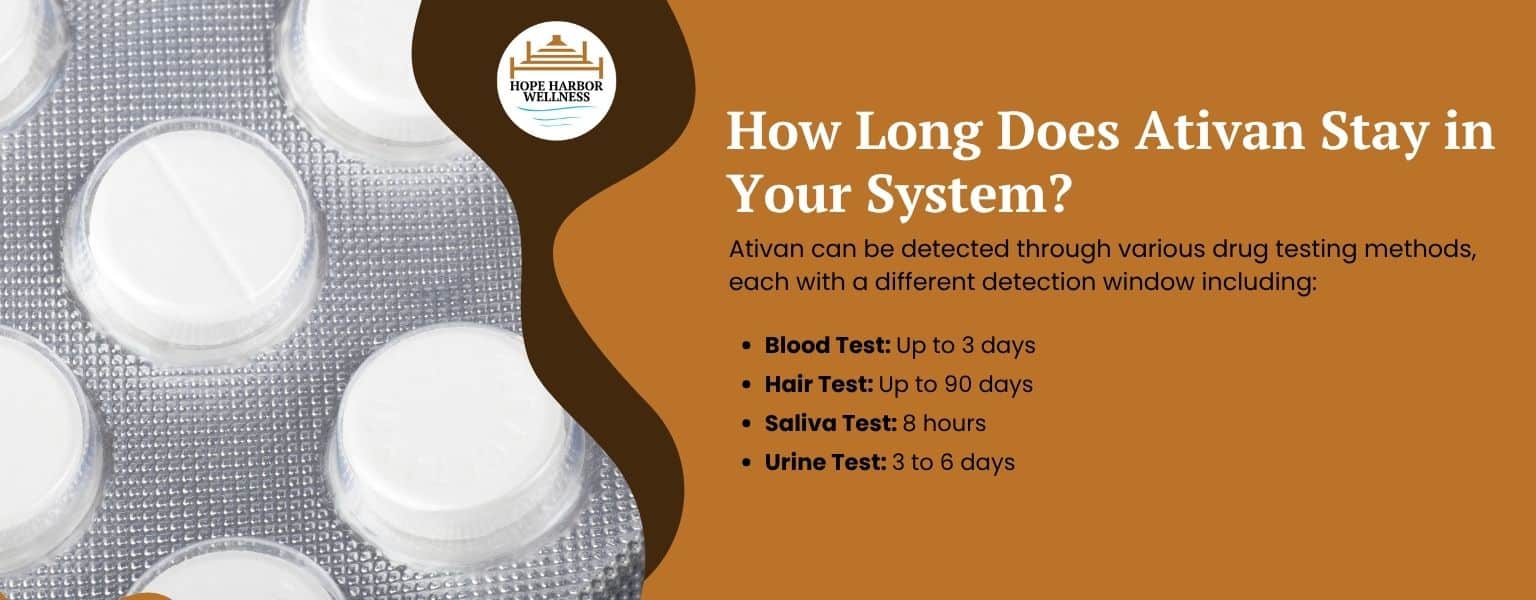
Urine testing is common. In most individuals, Ativan can appear in urine within about two hours post-ingestion and remain there for three to six days. Higher or repeated doses might extend that detection window. People with compromised kidney function might also see a delay in excretion.
How Long Does Ativan Stay in Blood
Blood testing is more invasive but can detect the drug sooner. It may pick up traces of Ativan within one to six hours after you’ve taken it, and it typically remains detectable for up to three days. This option is more often used in medical or emergency settings.
How Long Does Ativan Stay in Saliva
Saliva testing for Ativan is less typical. If used, it can find the substance about 15 minutes after consumption and keep detecting it for around eight hours. This short window is one reason saliva tests aren’t as commonly employed.
How Long Does Ativan Stay in Hair
Hair follicle tests can detect drugs for extended periods. Ativan may be traceable in hair for up to 30 days after use. Hair tests are less common, but they can offer a longer-term view of someone’s drug use patterns.
How Long Does It Take for Ativan to Wear Off?
A single dose of Ativan generally wears off within a few hours, meaning you’ll feel its sedative effects diminishing over that period. However, you could still experience some lingering effects—like fatigue, slower reflexes, or mild confusion—even as the drug concentration tapers off.
Why might these residual effects occur? Benzodiazepines suppress brain activity, reducing overstimulation and anxiety. Even when the main effects fade, the chemical’s influence may still be present, leading to drowsiness or reduced alertness. Whether you took a small or large dose can also change how you feel once the primary effects dissipate.
If you want to know exactly when Ativan leaves your body entirely, consult a healthcare provider. Your metabolism, medical conditions, age, and other medications you take all matter. Professionals can give personalized advice about the best dosing schedule or strategies for discontinuation.
Factors That Influence How Long Lorazepam Stays in Your System
Any substance, including Ativan, doesn’t leave everyone’s system at the same rate.
Here are key reasons people can metabolize or eliminate Ativan differently:
-
Individual Metabolism
Everyone has a unique metabolic rate. Some people process medications quickly, while others take more time. Metabolic speed can be influenced by genetics, hormone levels, or even your daily diet. -
Kidney and Liver Health
Because Ativan is metabolized primarily in the liver and excreted through the kidneys, any issues with these organs can slow the clearance process. Conditions that affect liver or kidney function lead to a buildup of medication in the system. -
Age
Older adults often have a reduced metabolism, making drug processing slower. As a result, Ativan might linger longer in their blood and tissues compared to younger people. -
Body Weight and Composition
Heavier individuals sometimes process lorazepam faster, although this isn’t a strict rule. Body composition—like your ratio of fat to muscle—can also play a role in how long the drug stays stored in your system. -
Frequency and Dosage
Repeated use or high doses can lead to accumulation in the body. If you frequently take Ativan, you might have higher baseline levels that take longer to clear. Developing a tolerance can also prompt people to take more of the medication over time, further extending how long it stays detectable. -
Drug Interactions
Mixing Ativan with other drugs, especially alcohol or additional benzodiazepines, may cause slower elimination. The body typically processes alcohol first, which can delay how quickly the liver clears lorazepam. Other substance interactions can also influence the clearance rate. -
Hydration Levels
Staying hydrated supports healthy kidney function. Although it’s usually a minor factor, good hydration can help your body flush out waste more effectively, including leftover metabolites of Ativan. -
Foods and Dietary Habits
Some believe that consuming fatty or heavy foods before or during medication use may slow digestion and absorption, slightly influencing how quickly the drug leaves your system. Although this effect is minor, it’s worth being mindful of nutritional habits when taking medication.
Ativan Drug Testing
If you’re entering a treatment program or dealing with legal or occupational drug screenings, you may face tests specifically for benzodiazepines. Lorazepam can appear on standard drug panels, especially those focusing on prescription sedatives.
-
Urine Tests
Urinalysis is the most popular method. Ativan commonly shows up two hours after use and remains traceable for three to six days. For ongoing or high-dose users, detection windows might be extended. -
Blood Tests
In blood, the half-life of Ativan becomes a key factor. Ativan levels reach their peak one to six hours after ingestion, and detection usually lasts a few days. This test is more precise for short-term detection but less common in routine screenings. -
Hair Tests
Lorazepam rarely shows up in hair at high concentrations, yet it can be found for up to 30 days post-use. Because the body grows hair slowly, it provides a broad view of long-term drug use, though hair tests are often more expensive and used in specialized circumstances. -
Saliva Tests
Traces of the drug can appear about 15 minutes after ingestion and continue to register for roughly eight hours. Saliva testing is quick and noninvasive, but it has a narrow detection window.
False Positives
False positives can happen. Some prescriptions, such as certain HIV medications (like efavirenz), mood stabilizers (like sertraline), or pain relievers (like oxaprozin), may produce inaccurate results on a benzodiazepine test. If you receive a positive test you believe is incorrect, you can ask for a more specific confirmation test, such as GC-MS (Gas Chromatography-Mass Spectrometry).
Why Understanding Ativan’s Duration Matters
Learning how long does lorazepam stay in your system empowers you. It helps you plan your day if you need to avoid drowsiness during a work meeting or you want to ensure your reflexes are sharp for driving. It also matters if you’re facing a scheduled drug screening. Plus, it encourages you to keep open communication with healthcare providers, letting them know about your medication use, medical history, and any side effects or concerns.
Being informed is a key step toward managing your mental health effectively. When you know the medication’s lifecycle, you can better foresee when it might be safest to engage in certain activities. Most importantly, you can balance the immediate relief Ativan provides with potential risks or the need for alternative coping strategies.
More About Drug Tests and Detection
Understanding how long Ativan stays in your system is only one piece of the picture. If you’d like a deeper breakdown of how urine, blood, saliva, and hair tests actually work, you can read our guide on how drug tests work. For a broader overview of different substances and timelines, visit how long drugs stay in your system.
Ativan Addiction Treatment in Atlanta, GA
Lorazepam is a widely prescribed medication, particularly for anxiety and sometimes seizures. While it can be highly effective, it’s crucial to remember that any drug comes with potential risks. Having a thorough understanding of how long does lorazepam stay in your system, its half-life, and its detection times helps you stay informed and cautious.
Variables like metabolism, dosage, frequency of use, and overall health all play into how quickly your body processes Ativan. Whether you’re looking to pass a drug test, avoid driving while drowsy, or simply learn more about your mental health medication, paying attention to these details can guide safer use.
If you’re dealing with symptoms of anxiety, panic disorders, or you suspect a dependence on benzodiazepines, don’t face these concerns alone. Professional support—including medical consultations, therapy, and outpatient drug rehab in Atlanta, GA—can offer a dependable path forward. Individuals struggling with substance abuse or mental health disorders often benefit from personalized treatment plans. These plans might involve medication adjustments, counseling, or holistic therapies that work together to improve your well-being.
You don’t have to battle anxiety or Ativan addiction on your own. Reach out to Hope Harbor Wellness in Atlanta, GA at 770-573-9546 or via online form, for guidance and compassionate care today. Together, we can help you navigate your next steps toward a healthier, more hopeful future.
How Long Does Ativan Stay in Your System FAQs
How long does Ativan (lorazepam) stay in your system after you take it?
Half-life averages 12 hours; most active drug clears in 60 hours, but metabolites may linger 5–6 days.
How long can Ativan be detected in a urine or blood drug test?
Urine: up to 6 days (chronic use 9 days). Blood: roughly 3 days. Hair tests show 90-day history.
What factors influence duration in the body?
Age, liver function, dose, dosing frequency, and concurrent meds affecting CYP enzymes.
How long do Ativan’s effects last versus its presence?
Anxiolysis peaks 1–2 hours, declines by 8 hours; drug residue persists days after noticeable sedation ends.
Will Ativan show up on a standard drug test, and for how long?
Yes, benzodiazepine panels detect it within the windows above; confirmatory GC-MS differentiates lorazepam from others.
Does regular use cause buildup?
Steady dosing leads to slight accumulation until a plateau; discontinuation still clears within a week.