Loved One Needs Help for Drugs: A Step-by-Step Plan for Families

Medically Reviewed By: Dr. Bryon Mcquirt
Dr. Byron McQuirt leads works closely with our addictionologist, offering holistic, evidence-based mental health and addiction care while educating future professionals.
Table of Contents
If you typed “loved one needs help for drugs,” you’re probably scared, and trying to move fast.
Maybe you found pills. Maybe you found powder. Maybe their personality has changed so much you barely recognize them. Maybe you got a call from school, work, or the police. Maybe they promised they stopped, but your gut says they didn’t.
You don’t need to identify every substance perfectly to take action. You need a plan that reduces danger and increases the chance of treatment.
Get confidential help (24/7) by calling 770-573-9546, starting online through Contact Hope Harbor Wellness, or verifying insurance first using Insurance Verification.
First: overdose and medical emergency warning signs
If you think someone may be overdosing, call 911 immediately.
Emergency signs can include:
- Unresponsiveness, can’t wake them up
- Slow, irregular, or stopped breathing
- Blue lips or skin, choking or gurgling sounds
- Seizures or severe confusion
- Severe agitation, hallucinations, or violent behavior
If suicide or self-harm is a concern, call or text 988 or visit the 988 Suicide and Crisis Lifeline. This page is educational, not medical advice.
Quick answer: what to do when your loved one needs help for drugs
- Prioritize safety over secrecy. If there’s immediate danger, call 911.
- Stop “detective arguments.” Don’t argue about details while they’re high or defensive.
- Gather what you can. Note what you’ve observed (behavior changes, missing money, paraphernalia, withdrawal symptoms).
- Call admissions for a plan. Call 770-573-9546 even if they refuse to call.
- Move toward treatment quickly. The goal is assessment plus the right level of care (detox if needed, then PHP, IOP, or outpatient).
Why families feel “crazy” (and why your instincts matter)
Drug use often creates a reality distortion inside families. You see clues. You ask questions. They deny. You find more evidence. They get angry. You second-guess yourself.
This is common. Addiction protects itself with secrecy, defensiveness, and shifting stories. Families start living in a constant state of scanning, trying to predict what’s real, and trying to prevent the next crisis.
Your job is not to win a debate. Your job is to reduce harm and create a path to treatment.
A helpful shift is this: respond to patterns, not promises. Promises can be sincere, but patterns are what tell you risk level. If the same cycle keeps repeating, it’s time for a plan that doesn’t rely on willpower in the moment.
What “help” actually looks like in real life
When people say “my loved one needs help for drugs,” they often mean more than stopping use. They mean: stop the chaos, stop the fear, stop the constant lying, stop the risk. The most effective help usually includes three parts.
- Safety planning so overdose risk, withdrawal risk, and dangerous behavior are addressed immediately
- Clinical assessment to determine the safest level of care and the right starting point
- Follow-through structure so treatment continues after the crisis moment passes
This is why “just stop” rarely works. Even when someone wants to stop, cravings, withdrawal, shame, and environmental triggers can pull them right back into use without support.
Common signs your loved one may be using drugs
Not every sign means drugs, but clusters matter.
Watch for patterns like:
- Sudden mood swings, irritability, paranoia, or emotional numbness
- Sleep changes (up all night, sleeping all day)
- Money disappearing, missing valuables, unexplained debt
- Dropping responsibilities (work, school, parenting)
- New friends, secrecy, isolating, disappearing
- Physical changes: weight loss, skin changes, frequent illness
- Withdrawal-like symptoms when they can’t use
If you’re finding items and want to understand what you’re seeing, use Drug Paraphernalia Identification Guide.
What to do if you find drugs or paraphernalia today
Finding drugs can trigger panic, and panic can trigger confrontation. A calmer approach usually protects safety and increases leverage.
- Do not confront while they are intoxicated. If they are high, agitated, or unpredictable, prioritize safety and wait for a calmer window.
- Do not make threats you cannot enforce. It reduces your credibility and gives the addiction more room to negotiate.
- Take a photo for your own clarity. This is not to shame them, it is to help you stay grounded when denial starts.
- Remove immediate safety risks if you can. If it is safe and legal in your situation, reduce access to car keys, weapons, or substances in the home.
- Make one call. A single call can clarify what to do next and whether detox or urgent assessment is needed.
If you need help deciding what to do next based on what you found, call 770-573-9546 or start through Contact Hope Harbor Wellness.
“What drug is it?” (You don’t have to know, but this can help)
Families often try to identify the drug so they can figure out what to do. While you don’t need certainty to get help, here are broad categories:
Opioids (fentanyl, oxycodone, heroin, pills)
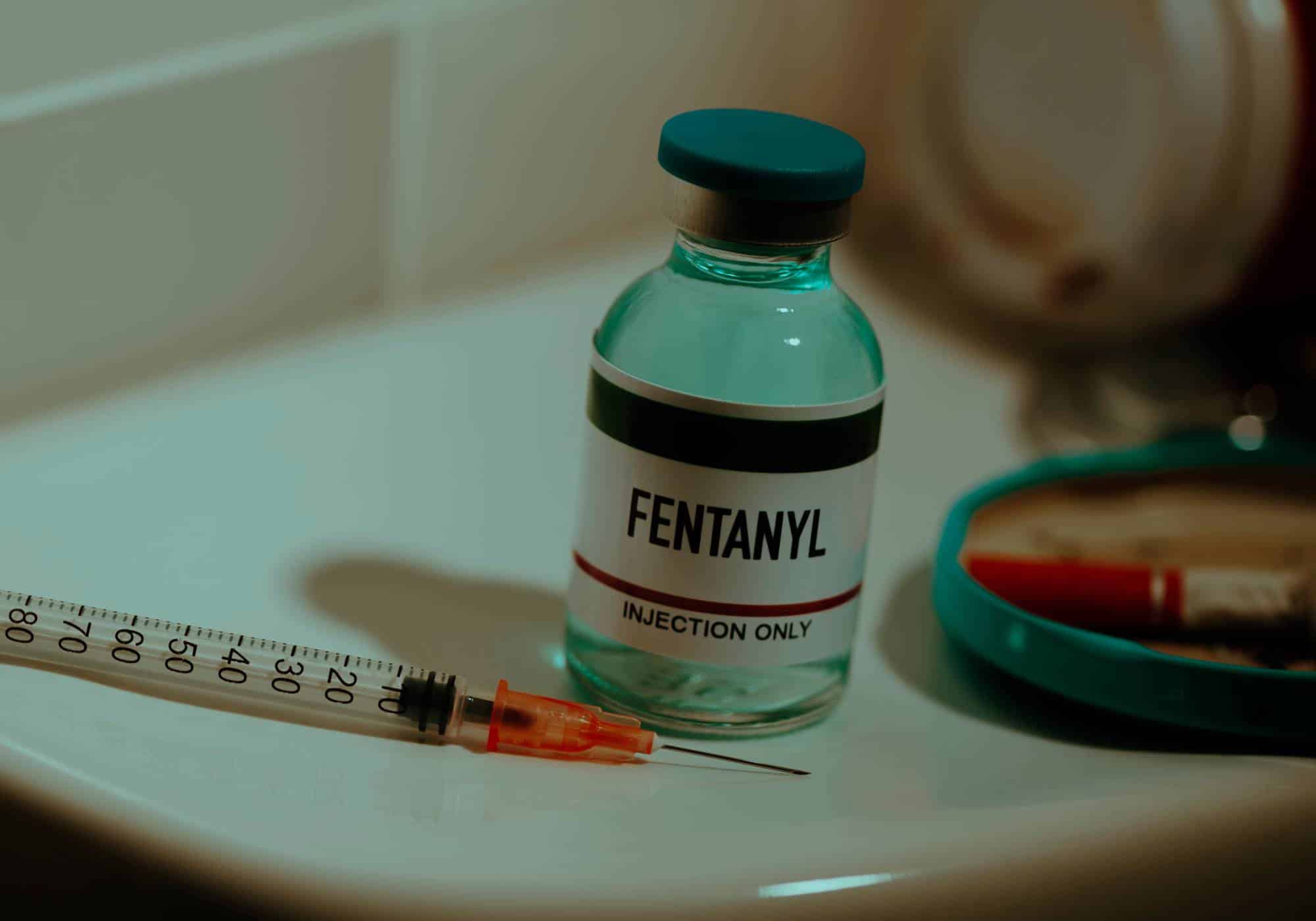
Often linked to overdose risk and breathing suppression. Treatment may include medication-assisted treatment when appropriate: MAT. Learn more: Opioid Addiction Treatment and Fentanyl Addiction Treatment.
Benzodiazepines (Xanax, Klonopin, Valium)
Can involve dangerous withdrawal risk for some people. Learn more: Benzo Addiction Treatment.
Stimulants (cocaine, meth, Adderall misuse)
Often linked to insomnia, agitation, paranoia, and crash cycles. Treatment focuses on stabilization, coping skills, and mental health support. If you are seeing paranoia, hallucinations, or extreme agitation, treat it as a safety concern and seek urgent guidance.
Marijuana (heavy daily use, dependency patterns)
Can still disrupt motivation, mood, school or work, and mental health, especially in teens and young adults. Learn more: Marijuana Addiction Treatment.
Do they need detox?
Detox is a safety decision, not a moral one. If your loved one experiences withdrawal symptoms, is mixing substances, or is medically or psychiatrically unstable, detox may be needed.
Hope Harbor Wellness starts with assessment and can coordinate next steps, learn more at Outpatient Drug and Alcohol Detox.
What to say (and what not to say)
When you’re scared, it’s natural to yell, threaten, or demand truth. The problem is that intense confrontation often triggers shame and denial, which can push people deeper into use.
Try this script
“I love you. I’m scared. I’m not asking you to promise anything forever today. I’m asking you to talk to someone with me. We’re calling a treatment center and getting a plan.”
Avoid this approach (even though it’s understandable)
- “If you don’t stop, you’re dead to me.”
- “You’re ruining my life.”
- “Tell me everything right now or else.”
Instead of forcing confession, focus on one next step: assessment and treatment planning.
Boundaries that reduce harm (and make treatment more likely)
Families often confuse boundaries with punishment. The purpose of boundaries is to reduce harm and remove accidental enabling.
- Stop funding the addiction. No cash, no paying debts created by using, and no “bailouts” that remove consequences.
- Stop covering. No calling work or school with excuses, no lying to family members, no protecting the addiction’s reputation.
- Protect children. If kids are present, intoxication, chaos, and unsafe supervision become non-negotiable safety issues.
- Protect driving safety. If they drive intoxicated, you may need to remove keys, call a ride, or involve authorities to prevent tragedy.
If you need help choosing boundaries that fit your exact situation, you can get guidance by calling 770-573-9546 or starting through Contact Hope Harbor Wellness.
What treatment can look like (and why outpatient often works for families)
Outpatient treatment can be a strong fit when the person can live at home safely and engage consistently.
Hope Harbor Wellness offers outpatient care in Hiram, GA (Atlanta metro), including:
- PHP
- IOP
- Outpatient Program
- Telehealth Options when clinically appropriate
If mental health symptoms are mixed in (depression, anxiety, trauma, paranoia, voices), integrated support matters: Mental Health Treatment and Dual Diagnosis.
If they refuse help
If your loved one refuses treatment, that is not the end of the road. It means you need a strategy that focuses on boundaries, leverage, and removing enabling patterns.
Go here next: Loved One Refuses Treatment, and if you need a structured family plan use Intervention Planning.
How to start today
Start now by calling 770-573-9546, starting online through Contact Hope Harbor Wellness, reading Admission Process to understand next steps, and verifying coverage using Insurance Verification.
FAQs: Loved One Needs Help for Drugs
What if I don’t know what drug they’re using?
You can still get help. An assessment focuses on safety, symptoms, and patterns, not just the substance name.
Should I search their room or phone?
Safety comes first, but privacy conflict can explode the situation. If you do look for information, keep your focus on safety planning and next steps rather than confrontation.
What if I’m scared of fentanyl?
That fear is understandable. Fentanyl raises overdose risk, especially when people don’t know it’s present. If you suspect overdose risk, call 911 for emergencies and seek professional treatment planning.
Can outpatient treatment work for drug addiction?
Yes, when clinically appropriate. Level of care depends on withdrawal risk, safety, mental health symptoms, and home support.
How do I start today?
Call 770-573-9546 or use the contact form.
Get Help Today
We have a dedication to serve our clients through a variety of alcohol and drug addiction programs. We have a firm belief that it is possible for YOU to achieve and sustain long-term recovery from addiction.
Our Location
126 Enterprise Path Suite 208 Hiram, Georgia 30141
Request A Callback
"*" indicates required fields