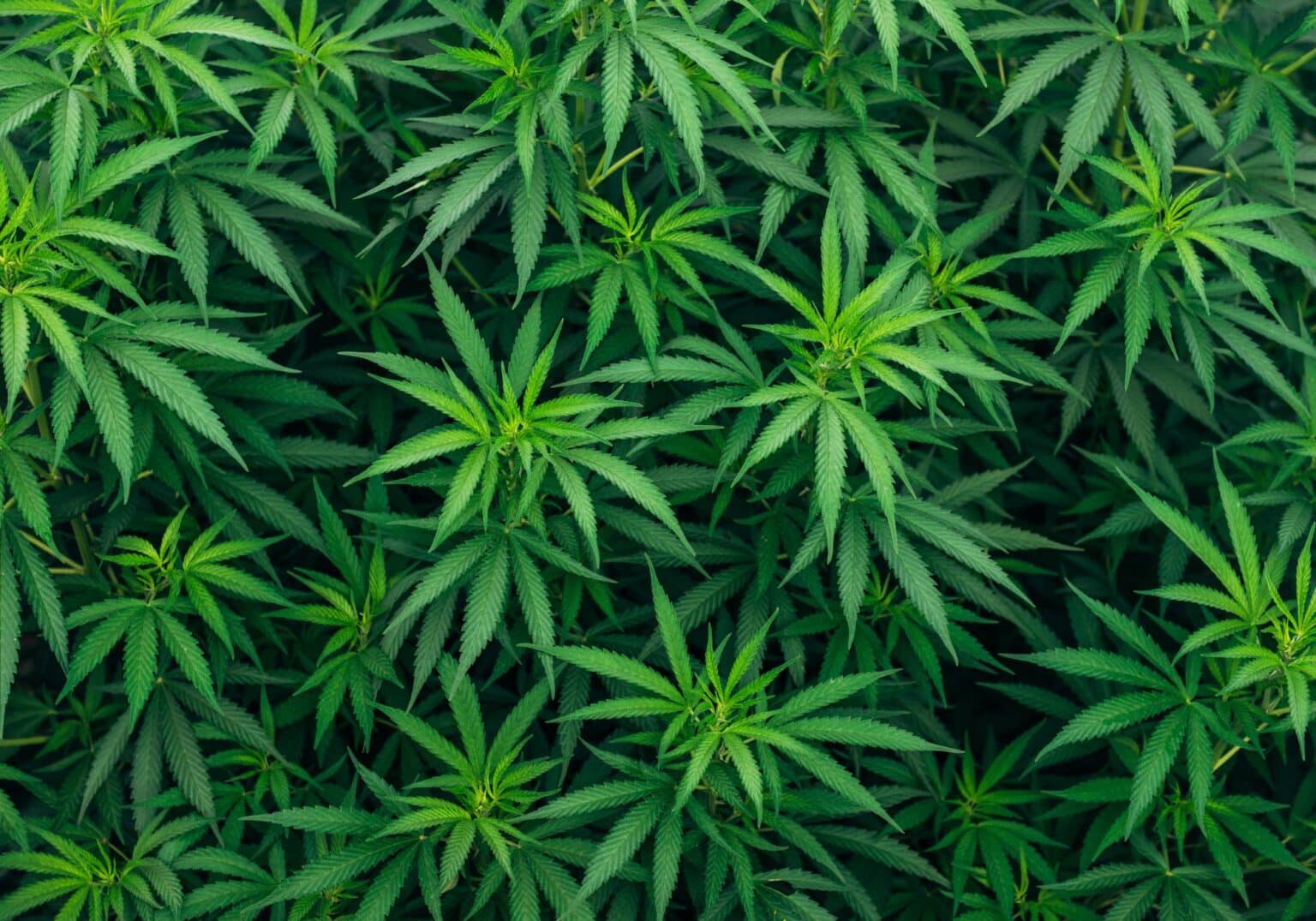

Marijuana, also known as weed or cannabis, is used for both recreational and medical reasons. With more people trying and regularly using it, questions about safety naturally follow—especially the big one: can weed kill you? The short answer is that a direct, fatal marijuana overdose is extremely rare, but that does not mean the drug is risk‑free. Cannabis can trigger dangerous situations, worsen certain health conditions, and lead to life‑threatening complications under specific circumstances. Understanding how those risks arise helps you make safer choices and spot problems early.
This guide breaks down how weed works in the body, what “overdose” really looks like, and when symptoms become medical emergencies. You’ll also learn why method, dose, potency, and personal health all matter. If cannabis use has become hard to stop, Hope Harbor Wellness provides confidential outpatient drug rehab in Atlanta, GA, and can coordinate drug and alcohol detox when a safe medical start is needed. You don’t have to navigate this alone.
Effects of Marijuana on the Body
Cannabis isn’t a single chemical. It contains dozens of compounds, including THC (tetrahydrocannabinol) and CBD (cannabidiol). THC is the part that causes a “high.” It binds to cannabinoid receptors, especially CB1 in the brain, and shifts how you process sensations, time, memory, mood, and movement. CBD affects the same system differently and may blunt some THC effects, but it’s not a guaranteed buffer—especially with high‑THC products.
Short‑term effects (these vary with dose, product, and your own biology):
- Euphoria or relaxation
- Altered senses and time perception
- Slower reaction time and reduced coordination
- Difficulty concentrating or short‑term memory gaps
- Dry mouth and red eyes
- Increased appetite
- Anxiety, paranoia, or panic (more common with higher THC doses, edibles, or first‑time use)
- Dizziness, lightheadedness, or nausea
These effects usually peak within minutes of smoking or vaping. With edibles, they can take 1–3 hours to build, and last much longer. That slow onset often leads to accidental overuse—people take more while “waiting to feel it,” then experience an intense, prolonged high later.
Long‑term effects (more likely with daily or heavy use):
- Respiratory irritation from smoking (cough, bronchitis‑like symptoms)
- Cognitive impacts, such as slower processing speed, attention difficulties, and memory issues while actively using
- Motivation and productivity changes, especially when use replaces sleep, activity, or social connections
- Mental health risks for some people, including anxiety, depression, and in vulnerable individuals, psychosis
- Dependence and addiction (cannabis use disorder) with cravings, tolerance, and withdrawal symptoms
- Cardiovascular strain, including increased heart rate and blood pressure swings just after use
Not everyone will experience every effect, but no one is immune to risk. Potency, frequency, personal history, age, sleep, nutrition, and co‑occurring conditions all shape outcomes.
Can Smoking Weed Kill You?
Most people who smoke weed will not die from it. Still, the phrase can marijuana kill you points to real dangers that deserve attention. The risks are usually indirect or connected to specific health issues.
- Cardiac stress. THC can raise heart rate and alter blood pressure shortly after use. For a person with coronary artery disease, arrhythmia, or uncontrolled hypertension, this stress can trigger chest pain, an irregular rhythm, or—in rare cases—a heart attack or stroke. If you have heart disease, discuss cannabis with your doctor before using it in any form.
- Impaired judgment and accidents. Cannabis slows reaction time and affects coordination. Driving, operating machinery, swimming, or climbing while high increases the chance of serious injury or death. The risk rises if you mix weed with alcohol, benzodiazepines, opioids, or sedating antihistamines.
- Respiratory harm. Smoking any plant material produces irritants and toxins. Chronic smoking may worsen asthma, bronchial irritation, and cough. Severe coughing fits can lead to vomiting or fainting. Switching to non‑combustion methods avoids smoke but does not remove all cannabis risks.
- Psychological crises. High doses—especially concentrates and strong edibles—can provoke intense anxiety, paranoia, or short‑lived psychosis. While these episodes seldom kill, they can lead to unsafe decisions and dangerous behavior.
- Contaminants. Illicit products may contain pesticides, heavy metals, mold, or synthetic adulterants. Some contaminants are genuinely life‑threatening. Buying from regulated sources lowers but does not eliminate this risk.
So, can you die from weed? Directly, it’s very uncommon. Indirectly—through accidents, mixing substances, cardiac events, or contaminated products—it is possible. Respect the drug, your body, and your setting.
Can You Overdose on Weed?
People ask about marijuana overdose and weed overdose as if cannabis works like alcohol or opioids. It doesn’t. There is no well‑documented human case of a fatal THC overdose from typical consumption alone. That said, you can take too much and experience severe, frightening symptoms—a situation people call “greening out.”
What “overdose” means with cannabis:
- Too much THC for your system right now. The dose may be small for someone else but large for you, depending on tolerance, sleep, stress, and empty vs. full stomach.
- Edibles and concentrates create most trouble. Edibles hit late and hard; concentrates deliver very high THC quickly. Either can overwhelm newer or sensitive users.
- Mixing substances magnifies risk. Alcohol plus THC can produce extreme nausea, vomiting, dizziness, and blackouts.
Cannabis hyperemesis syndrome (CHS)
With long‑term, heavy use, some people develop CHS—cycles of severe nausea and vomiting. Hot showers temporarily help, but dehydration can become dangerous. In rare cases, electrolyte imbalance, kidney strain, or aspiration can turn serious without treatment.
Children and pets
Accidental edible ingestion can be an emergency. Small bodies absorb a relatively larger dose and may become very sleepy, confused, or unresponsive. If a child or pet ingests cannabis, call poison control or seek urgent care.
Bottom line: a thc overdose in the lethal sense is extremely unlikely, but overwhelming your system is very possible—and miserable. Know your dose, wait long enough for edibles, and avoid mixing with alcohol or sedatives.
Signs of Overdose on Weed
Knowing the warning signs helps you support yourself or someone else quickly and calmly. While most cannabis reactions resolve with time and reassurance, some require medical care.
Common weed overdose symptoms
- Extreme anxiety, panic, or paranoia
- Disorientation, confusion, difficulty speaking or focusing
- Hallucinations or delusional thoughts
- Pale, clammy skin; dizziness or fainting
- Rapid heart rate or palpitations; chest tightness
- Severe nausea and repeated vomiting (possible CHS)
- Loss of balance or trouble walking
- Excessive sleepiness that’s hard to interrupt
What to do right now
- Stay with the person. Keep them seated or lying on their side to prevent falls or choking if they vomit.
- Reduce stimulation. Turn down lights and noise; offer slow sips of water if they’re alert.
- Don’t give alcohol or other drugs. These can worsen symptoms.
- Time your support. Episodes often ease over 4–8 hours, longer with edibles. Calm reassurance matters.
Call 911 immediately if you notice:
- Chest pain, significant shortness of breath, or a racing heart that doesn’t ease
- Seizure activity, a head injury from a fall, or repeated fainting
- Severe, unrelenting vomiting with signs of dehydration (no urination, dry mouth, dizziness)
- Confusion so deep they cannot follow simple directions, or they’re difficult to rouse
- Suicidal thoughts or behavior, or dangerous agitation
It’s better to over‑react than under‑react when symptoms seem severe. Medical teams treat cannabis reactions with supportive care—oxygen, IV fluids, anti‑nausea or anxiety medications—and monitor for complications.
How Much Weed Can Kill You?
People search how much weed can kill you because they want a number. There isn’t one for humans. Animal studies have suggested extremely high doses would be needed to cause direct death, far beyond what a person would typically consume by smoking or edibles. But that misses the point.
The real‑world risk is about context, not a magic number.
- Potency and product type. Today’s concentrates can exceed 70–90% THC. A few strong dabs may provoke intense anxiety, psychosis‑like symptoms, or vomiting.
- Route and timing. Edibles build slowly, often leading to stacking doses. When the effects land, they can be overwhelming for hours.
- Your health. Underlying heart disease, arrhythmias, uncontrolled high blood pressure, or a history of psychosis increase risk.
- Mixing. Alcohol, benzodiazepines, opioids, or antihistamines plus THC make sedation, confusion, or vomiting more dangerous.
- Environment. Driving, swimming, heights, and power tools all carry higher injury risk while impaired.
So instead of chasing a lethal dose number, ask: Is how I’m using cannabis safe for me right now? If the honest answer is “probably not,” it’s wise to stop, get into a safer environment, and ask for help if symptoms escalate.
People also search can weed kill u, can thc kill you, will weed kill you, can pot kill you, and can marijuana kill you because myths and fears linger. Here’s the reality: THC itself, taken alone, is unlikely to be directly fatal. But cannabis can lead to fatal outcomes indirectly—through health complications, dangerous environments, contaminated products, or mixing with other drugs. Respect that nuance.
Marijuana Addiction Treatment
Cannabis may seem “milder” than other drugs, but dependence and addiction do happen. If your use has become your main coping tool, if it’s hurting your sleep, mood, focus, or relationships, or if you’ve tried to cut back without success, help can make change much easier.
Signs of cannabis use disorder can include:
- Using more or longer than intended
- Unsuccessful attempts to cut down
- Spending a lot of time getting, using, or recovering from use
- Cravings or strong urges to use
- Problems at work, school, or home linked to use
- Continuing to use despite physical or psychological harm
- Giving up activities you used to enjoy
- Using even when it’s risky (driving, dangerous settings)
- Needing more to get the same effect (tolerance)
- Withdrawal symptoms when stopping (irritability, insomnia, decreased appetite, restlessness, vivid dreams)
Withdrawal is real but manageable. Common symptoms begin within 1–3 days of stopping and can include irritability, anxiety, sleep difficulty, low mood, reduced appetite, headaches, and unusual dreams. They usually ease within 1–2 weeks. Support shortens the rough patch and lowers relapse risk.
Effective treatments center on evidence‑based therapies:
- Motivational interviewing (MI): clarifies your reasons for change and builds momentum
- Cognitive behavioral therapy (CBT): teaches practical tools for cravings, thoughts, and triggers
- Family support: aligns the home environment with your goals; improves communication and boundaries
If other substances are involved, medical detox may be appropriate to ensure a safe start. At Hope Harbor Wellness in Atlanta, GA, we offer flexible outpatient addiction treatment so you can keep your responsibilities while you heal. When needed, we will provide you with weed detox to stabilize your body before therapy begins. Care is discreet, step‑by‑step, and matched to you.
You don’t have to choose between getting help and living your life. Outpatient care can fit your schedule and help you feel like yourself again—clearer, calmer, and back in control.
You deserve clear answers and real support. If cannabis use is creating problems—or if you want help quitting without upending your life—Call or message us today at 770-573-9546 or fill out our online contact form to take the next step toward steadier days and healthier choices.
Can Weed Kill You Frequently Asked Questions
Can weed kill you?
A direct, fatal marijuana overdose is extremely rare. However, cannabis can lead to life‑threatening situations indirectly—through accidents, heart strain in people with cardiac disease, severe vomiting and dehydration, contaminated products, or mixing with alcohol and sedatives. Use cautiously, especially with edibles and concentrates.
Can you die from weed edibles?
Edibles are unlikely to be directly fatal, but they cause many emergency visits due to delayed, long‑lasting, high‑intensity effects. Overeating edibles can lead to extreme anxiety, disorientation, vomiting, or dangerous behavior. Children who ingest edibles need urgent medical evaluation. When in doubt, call 911.
Is a marijuana overdose the same as an opioid overdose?
No. Opioids can stop breathing. Cannabis typically does not. A weed overdose (often called “greening out”) usually involves panic, confusion, and vomiting. Serious complications are uncommon but possible, especially with other drugs on board or in people with heart conditions.
Can THC kill you?
Can thc kill you directly? That’s highly unlikely at typical doses. Risks come from context: underlying health problems, mixing substances, contaminated products, and unsafe settings. Respect potency, avoid mixing, and never drive high.
Does weed kill brain cells?
The science is nuanced. Active cannabis use can impair attention, memory, and processing speed—effects that often improve after quitting. Long‑term heavy use, especially starting in adolescence, is linked to persistent cognitive challenges for some. The best protection is delaying use, limiting potency and frequency, and prioritizing sleep, exercise, and learning.
What are marijuana overdose symptoms?
Extreme anxiety or paranoia, confusion, hallucinations, rapid heartbeat, severe nausea/vomiting, dizziness, and heavy sleepiness. Most cases improve with time, reassurance, hydration, and a calm environment. Seek emergency care for chest pain, trouble breathing, repeated fainting, nonstop vomiting, or if someone is hard to wake.
How can I quit if I use weed to sleep or manage anxiety?
There are gentler ways to calm your system: sleep scheduling, light exposure, exercise, breath work, and therapy for anxiety. Short‑term, non‑addictive sleep strategies can help while your natural rhythms reset. Hope Harbor Wellness in Atlanta, GA offers outpatient programs that teach these tools and support you through the transition; we can also coordinate drug and alcohol detox when other substances are involved.