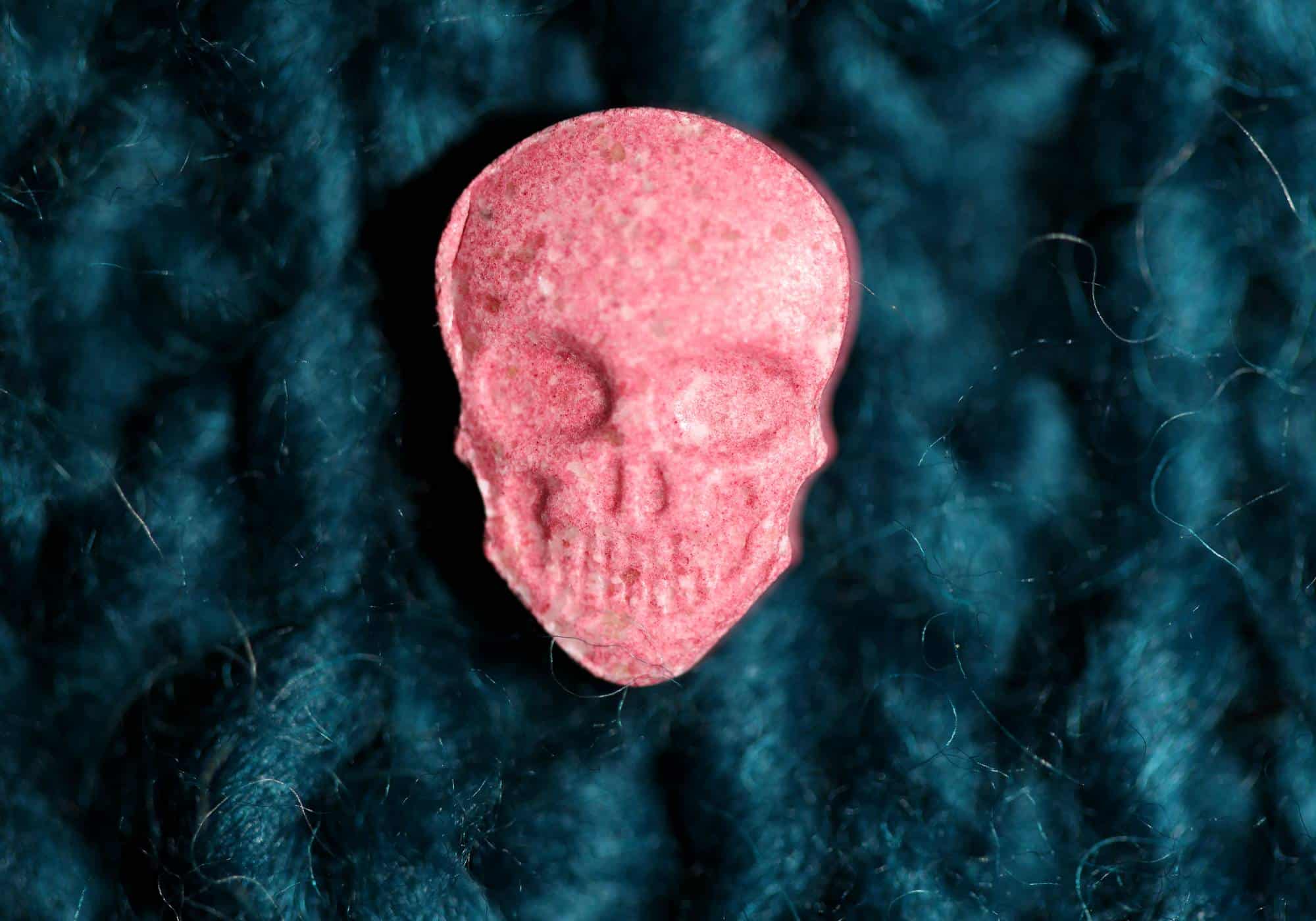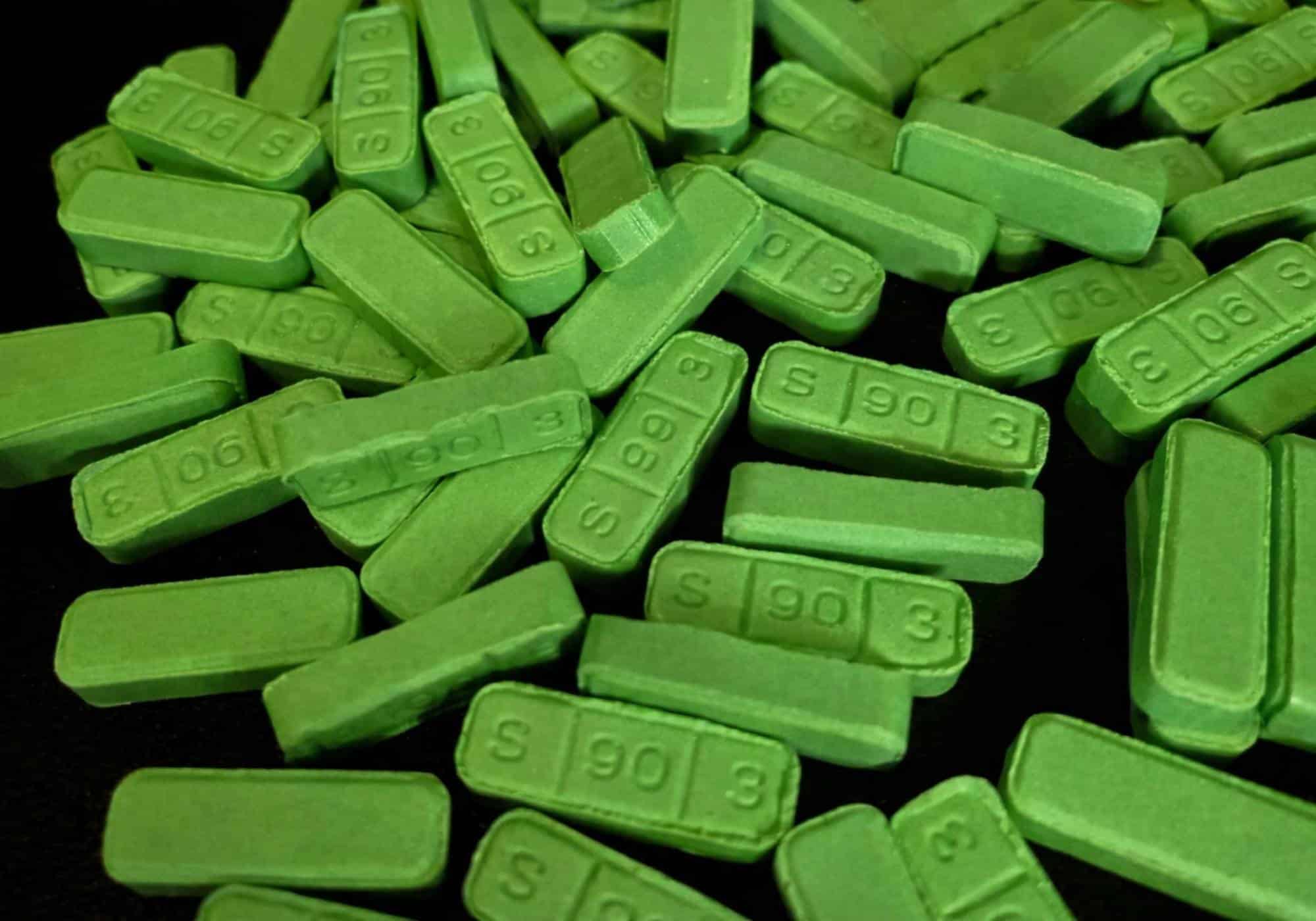
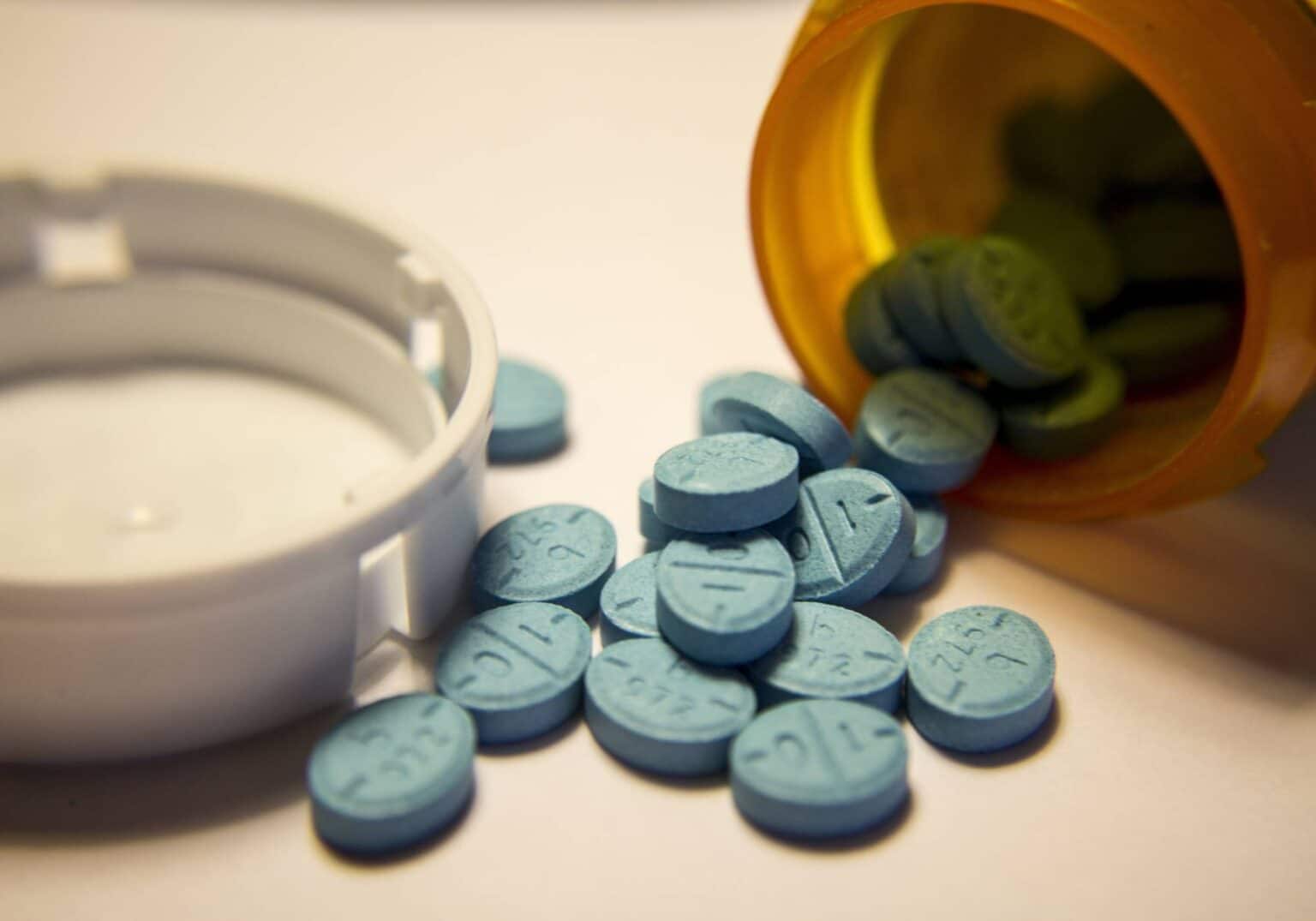

“Football Xanax” refers to a common street term for a specific shape of alprazolam, the active ingredient in the prescription medication Xanax. This powerful benzodiazepine is widely prescribed to manage severe anxiety disorders and panic attacks. While highly effective when used precisely as directed by a healthcare professional, the abuse of alprazolam, particularly illicitly obtained blue footballs or blue Xanax bars, carries significant and potentially life-threatening risks.
Alprazolam, marketed under brand names like Xanax, belongs to the benzodiazepine class of medications. These drugs work by enhancing the effects of gamma-aminobutyric acid (GABA), a neurotransmitter in the brain that helps to calm excessive brain activity. This results in reduced anxiety, muscle relaxation, and sedative effects. While available in various colors and shapes, the blue Xanax football or blue football pill is particularly well-known due to its distinctive appearance.
Despite being a prescription-only medication, alprazolam is one of the most commonly misused prescription drugs. Its widespread prescription can create a false sense of security, leading some to believe it’s less dangerous to abuse than illicit substances. However, the reality is stark: Xanax abuse is a major contributor to the prescription drug crisis, often leading to severe dependency and overdose. Recognizing the various forms, including the b707 blue bars or b707 pill, and understanding their potency, is crucial for both users and concerned loved ones.
What Is Blue Xanax?
Blue Xanax typically refers to a specific formulation of alprazolam, the active ingredient in the prescription medication Xanax. Often, when people mention blue Xanax, they are referencing the 2mg alprazolam pills manufactured by Breckenridge Pharmaceutical, frequently recognized by their “B707” imprint, commonly known as “b707 blue bars” or “blue Xanax bars.” While Pfizer’s white Xanax bars were the original brand-name product, the term “Xanax” has widely become a generic description for all alprazolam medications, irrespective of their color, shape, or the pharmaceutical company that produces them. This means that whether you encounter a blue Xanax pill with the b707 pill imprint or a different variant, it contains the potent benzodiazepine alprazolam.
Decoding Blue Xanax Football MG and Other Forms
When people refer to “blue Xanax” or “blue footballs,” they are typically talking about a specific formulation of alprazolam. The term “xanax blue football mg” usually refers to the 1mg dose of alprazolam that is often oval or elliptical in shape and, as the name suggests, blue in color. This shape is what gives it the “football” moniker. It might have an imprint like “XANAX 1.0” or another identifier, depending on the manufacturer.
Another highly potent form is the blue Xanax bar, frequently associated with the imprint “B707 pill” or “b707 blue bars.” This specific blue Xanax B707 pill typically contains 2 milligrams of alprazolam, making it one of the higher-dose formulations available. The term “football pills blue” specifically highlights the color and shape of the 1mg dosage, which is distinct from the bar shape.
It’s important to understand these distinctions because the dosage significantly impacts the effects and risks. Healthcare providers initiating alprazolam treatment typically start patients on very low doses, often as small as 0.25mg. The dosage is then gradually adjusted based on the patient’s individual needs and response to the medication, with a common maximum daily prescription often restricted to around 4mg, usually split into multiple doses throughout the day. This careful titration reflects the drug’s potency and the potential for rapid tolerance development.
When taken as prescribed, the effects of alprazolam usually begin within an hour, with peak blood levels occurring within one to two hours. This rapid onset is one reason for its popularity in treating acute anxiety and panic attacks. However, when individuals abuse blue Xanax or other forms recreationally, they often seek to accelerate its effects. This frequently involves crushing the pills into a powder and snorting them, leading to near-immediate absorption into the bloodstream—often within seconds—and a more intense, rapid onset of effects. This method significantly increases the risk of overdose and severe adverse reactions.
What Do Blue Xanax Bars Look Like? Differentiating Alprazolam Forms
The appearance of blue Xanax bars, particularly the B707 blue bars, is distinctive and often recognized due to their common presence in both legitimate prescription contexts and the illicit market. While the “B707” imprint is a specific identifier, it’s helpful to understand the general visual characteristics of alprazolam bars and pills.
Genuine alprazolam medications come in various shapes, colors, and imprints, which typically denote the dosage strength and the specific pharmaceutical company that manufactured them. The “bar” form of Xanax is generally rectangular and is known for containing higher doses of alprazolam, most commonly 2 milligrams. These bars are often scored, allowing them to be broken into smaller, more manageable doses (e.g., two 1mg segments or four 0.5mg segments).
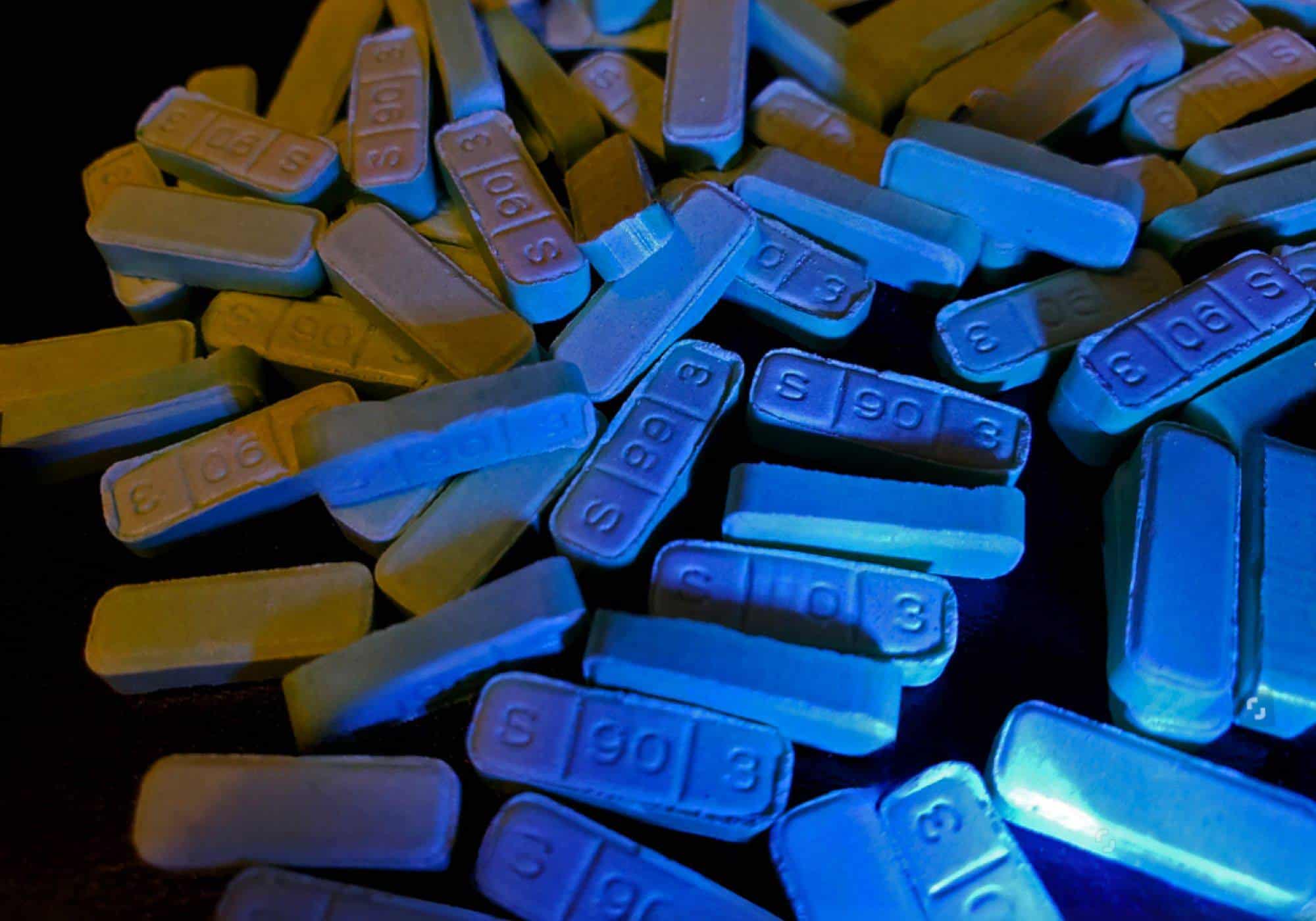
Specifically, the B707 blue Xanax bar is a rectangular, blue pill with the imprint “B707” on one side. This specific code is associated with the manufacturer Breckenridge Pharmaceutical, Inc., indicating a 2mg dose of alprazolam. Because of their strength, these are commonly referred to as “blue Xanax bars” or “b707 xanax” on the street.
Beyond the specific B707 blue pill, other types of Xanax are encountered.
Whether in a bar or pill form, the different colors of Xanax represent not only the dosage strength but often the pharmaceutical companies that manufactured them:
- White Xanax Bar: Commonly called “sticks,” these are among the most widely prescribed Xanax colors. A white Xanax bar typically contains the usual 2mg dosage that users can often break into four 0.5mg doses. This medication’s high potency makes it very effective for treating severe anxiety and panic attacks.
- Yellow Xanax Bar: Nicknamed “yellow school bus” due to its color and rectangular shape, the yellow Xanax bar is similar to a white Xanax bar in dosage and effects, also containing 2mg of alprazolam. The color difference is attributed to various pharmaceutical companies producing them.
- Green Xanax Bar: A green Xanax bar also typically comes in a 2mg dosage of alprazolam. The green color signifies a different manufacturer. While it possesses the same potency and effects as white and yellow bars, green Xanax can come in various shapes: an oval green Xanax pill (often called a “green football”) contains 1mg of alprazolam, and a triangular green Xanax pill is usually a 3mg dose, representing the highest single dosage available.
- Orange Xanax Bar: Also known as “peach Xanax bar” or “orange alprazolam,” this form is frequently oval shaped and contains a low dose of 0.5mg. It’s often prescribed for less severe anxiety symptoms.
- Purple Xanax Bar: A purple Xanax bar typically has a 2mg dosage of alprazolam and usually comes in an oval shape, which users can often split into two 1mg doses. Pfizer, a leading pharmaceutical company, is one manufacturer, and Mylan Pharmaceuticals also produces a 2mg round purple pill with the code M A23 engraved on it.
It is crucial to be aware that the appearance of these pills can be mimicked by counterfeit manufacturers. The presence of a certain color, shape, or imprint, especially when obtained outside of a legitimate pharmacy with a valid prescription, does not guarantee that the pill is genuine or contains the stated dosage of alprazolam. The risk of encountering a fake blue Xanax bar or football xanax that is contaminated with dangerous substances like fentanyl is extremely high in the illicit market.
The Dangerous Mix: Interactions with Blue Xanax
One of the most critical dangers associated with blue Xanax abuse is its interaction with other substances. The combination of alprazolam with other central nervous system (CNS) depressants, often termed “polydrug use” or “crossfading,” can be lethal. Even seemingly innocuous over-the-counter medications can pose a risk.
Substances with particularly harmful interactions with blue Xanax include:
- Alcohol: This is arguably the most dangerous combination. Both alcohol and alprazolam depress the CNS, leading to amplified sedative effects, severe respiratory depression, coma, or death.
- Opioid Painkillers: Combining opioids (like oxycodone, hydrocodone, or fentanyl) with alprazolam is extremely hazardous. Both drug classes depress breathing, and their combined effect can lead to fatal respiratory arrest.
- Other Benzodiazepines: Mixing different benzodiazepines can lead to excessive sedation and dangerously suppressed breathing.
- Sleeping Tablets/Sedatives: Similar to other CNS depressants, these amplify the sedative effects of alprazolam, increasing overdose risk.
- Muscle Relaxers: These also contribute to CNS depression, leading to additive sedative effects.
- Flu and Allergen Medications (containing sedating antihistamines): Some cold and allergy remedies contain ingredients that can cause drowsiness and interact negatively with benzodiazepines.
- Antidepressants (especially SSRIs and SNRIs): While some antidepressants are used concurrently with benzodiazepines under strict medical supervision, certain combinations can lead to excessive sedation or other adverse effects.
- Antibiotics: Some antibiotics, particularly macrolides, can inhibit the metabolism of alprazolam, leading to increased levels of the drug in the bloodstream and heightened side effects.
- Mood Stabilizers: Certain mood stabilizers can interact with alprazolam, potentially altering drug levels or increasing side effects.
- Serotonergic Drugs: Medications that affect serotonin levels (like certain antidepressants or triptans for migraines) can, in rare cases, lead to serotonin syndrome when combined with other drugs, though this risk is generally lower with benzodiazepines alone.
- AIDS Medications (e.g., protease inhibitors): These can significantly slow down the metabolism of alprazolam, leading to dangerously high drug concentrations in the body.
- Cardiovascular and Hypertension Medications: Some heart and blood pressure medications can interact, altering either their own effectiveness or increasing alprazolam’s side effects.
- Some Forms of Birth Control: Oral contraceptives can affect the metabolism of alprazolam, potentially increasing its effects.
Always inform your doctor about all medications, supplements, and substances you are using before taking any form of alprazolam. The risks of polysubstance abuse, especially involving football Xanax or blue Xanax bar, cannot be overstated.
The Side Effects of Blue Xanax
While alprazolam is prescribed to effectively manage anxiety symptoms by enhancing the effects of gamma-aminobutyric acid (GABA) and slowing down the central nervous system, using blue Xanax can still come with a range of side effects, even when taken as prescribed. These effects vary from person to person depending on dosage, individual sensitivity, and duration of use.
Common side effects of blue Xanax include:
- Drowsiness or excessive sleepiness
- Dizziness or lightheadedness
- Trouble concentrating or mental confusion
- Memory problems, including anterograde amnesia (difficulty forming new memories)
- Slurred speech
- Poor coordination and unsteadiness (ataxia)
- Fatigue or feeling generally tired
- Headache
- Nausea or stomachache
- Dry mouth
- Blurred vision
- Irritability or mood swings
- Insomnia or sleep disturbances (paradoxically, as a rebound effect or during withdrawal)
- Depression (can be a side effect or worsened pre-existing condition)
- Tremors (especially during withdrawal)
- Hypersensitivity to sound and light (often during withdrawal)
- Shortness of breath (more severe cases or overdose)
It is critical not to take blue Xanax with other drugs that interact negatively, as discussed previously, such as certain forms of birth control, some antibiotics, specific antidepressants, cold medicine, and especially alcohol or opioid painkillers. If you are taking any of these medications, you must inform your doctor before taking any form or color of Xanax to prevent dangerous interactions.
Understanding Withdrawal Symptoms of Blue Xanax
Although blue Xanax is intended to therapeutically modify a patient’s thoughts and attitude, there are various undesirable and potentially dangerous physical and psychological withdrawal symptoms that individuals may encounter when reducing or discontinuing its use. These symptoms can be particularly intense and, in some cases, life-threatening, especially compared to withdrawal from certain antidepressants.
Because significant Xanax withdrawal symptoms can begin to manifest within the first week of use, issues can rapidly become extremely dangerous if not managed properly. Attempting to withdraw from blue Xanax “cold turkey,” as with other benzodiazepines, can precipitate severe withdrawal symptoms including seizures, which can be fatal. Therefore, benzodiazepine withdrawal must always be conducted under strict medical supervision. Healthcare providers universally recommend a carefully managed, gradual tapering (weaning off) of the dosage to minimize significant consequences and improve safety. Drug detox from benzos, including all forms of football Xanax, must always be done with meticulous care in a controlled medical environment.
Additional uncomfortable or unbearable benzo withdrawal symptoms from blue Xanax withdrawal that frequently cause individuals to relapse involve:
- Intense Cravings: A powerful urge to resume using the drug to alleviate discomfort.
- Compulsive Behavior: A strong, uncontrollable drive to seek and use the drug.
- Panic Attacks: Sudden, intense episodes of fear or terror, often accompanied by physical symptoms like heart palpitations, sweating, and shortness of breath.
- Severe Anxiety and Nervousness: Rebound anxiety that is often much worse than the anxiety the drug was initially prescribed to treat.
- Mood Fluctuations: Rapid and often extreme shifts between irritability, agitation, and depressive episodes.
- Sleep Disturbances: Profound insomnia, fragmented sleep, and disturbing nightmares.
- Gastrointestinal Issues: Nausea and vomiting, diarrhea, or stomach cramps.
- Physical Sensations: Muscle cramps, spasms, tremors, tingling (“pins and needles”) and stiffness in the extremities (cheeks, feet, or hands).
- Sensory Hypersensitivity: Audio and visual intolerance, where sounds and lights become overwhelming.
- Headaches/Migraines: Persistent or severe headaches.
- Disorientation and Psychosis: In severe cases, hallucinations (both auditory and visual), delusions, and a loss of touch with reality.
- Suicidal Tendencies: Increased risk of suicidal thoughts or behaviors, especially in individuals with pre-existing mental health conditions.
- Breathing Difficulty: Although rare in managed withdrawal, can be a sign of severe CNS rebound.
- Lightheadedness: Persistent feelings of dizziness or faintness.
Every individual is unique, and each person will respond to and detox from Xanax in a different way. However, in most situations, the severity and duration of the withdrawal effects will be determined by how prolonged the use was and the typical dosage consumed.
The Compulsive Grip: The Addictive Potential of Blue Xanax
While alprazolam is a highly effective medication for anxiety when used as prescribed for short-term periods, its rapid onset of action and potent calming effects also contribute to its significant addictive potential. Many users, whether prescribed or recreational, may begin to take dosages beyond what their doctor recommends, or continue use after a prescription ends, in an attempt to intensify or prolong the desired calming effect. This constitutes Xanax abuse.
Recreational use, or sharing someone else’s prescription, is also a form of abuse that rapidly escalates the risk of developing a dependency. When individuals engage in Xanax abuse, their bodies quickly build up a tolerance to the drug. This means they need increasingly higher doses to achieve the same therapeutic or desired effects. As tolerance builds, physical and psychological dependence can develop, making it incredibly challenging to function normally without the drug. This cycle often drives individuals to use alprazolam more frequently and in higher amounts, leading to a much higher risk of addiction.
Beyond dependency, Xanax abuse carries a direct risk of overdose, which can be life-threatening if not immediately addressed. The signs of an overdose include profound mental confusion, severely reduced pulse rate, excessive sleepiness, severe breathing difficulties, convulsing, lack of equilibrium, extreme muscular fatigue, and potentially cardiac arrest. The risk of overdose dramatically increases when blue Xanax is combined with other central nervous system depressants, especially alcohol or opioids.
Because of its high addiction potential and severe withdrawal symptoms, blue Xanax should only ever be taken precisely as prescribed by a healthcare professional. If you or someone you know is struggling with blue Xanax abuse or a developing dependency, seeking immediate professional help is paramount to ensure safety and begin the journey toward recovery.
Why Blue Xanax is So Addictive
The potent nature of blue Xanax makes it highly addictive, even when compared to other benzodiazepines. It possesses several characteristics that accelerate the development of dependency and increase the risk of addiction, making it a particularly challenging substance for users. The drug is considered significantly more potent than a common comparison, Valium.
Here are key reasons why blue Xanax is so addictive:
- Short-Acting Formula: The effects of blue Xanax tend to wear off relatively quickly. This rapid dissipation leads users to frequently redose in an attempt to maintain the desired calming or euphoric effects, inadvertently escalating their intake and pushing them further into a cycle of dependence.
- Rapid Tolerance Development: Individuals quickly develop a tolerance to alprazolam. This means that users need increasingly higher doses of blue Xanax to achieve the same initial therapeutic or recreational effect, which is a hallmark sign of a developing addiction.
- Severe Withdrawal Symptoms: Stopping blue Xanax suddenly can trigger extremely severe and potentially life-threatening withdrawal symptoms, including seizures. The fear and intensity of these withdrawal symptoms often compel individuals to continue using the drug to avoid them.
- Rebound Anxiety: Once the immediate effects of the blue Xanax wear off, anxiety symptoms often return with a heightened intensity, becoming worse than they were before the medication was taken. This “rebound anxiety” creates a powerful incentive for continued use, trapping individuals in a cycle where they use the drug to alleviate the very symptoms it is exacerbating.
Due to these factors, physical and psychological addiction to blue Xanax can develop remarkably fast, in some cases within as little as one week of consistent, regular use, even at prescribed doses.
Identifying Fake Xanax Bars or Pills: A Deadly Game
Since it’s a Schedule IV controlled substance, genuine Xanax is highly regulated and can only be legally obtained with a valid prescription from a licensed medical professional and dispensed by a pharmacy. While prescribed use carries a low risk of dependency and abuse, the risk of addiction and, more critically, overdose, skyrockets with fake Xanax.
According to the Drug Enforcement Administration (DEA), alprazolam is one of the most commonly encountered benzodiazepines illegally sold on the street. Xanax’s popularity has unfortunately led to a rising number of counterfeit Xanax bars and pills saturating the illicit market, making it one of the most dangerously abused prescription drugs.
Fake Xanax bars and pills are typically created with unregulated, counterfeit substances that can be far more dangerous than legitimate alprazolam. Users who purchase these street drugs have no idea what ingredients they contain, making them vulnerable to substances with unknown side effects, inconsistent dosages, and often, deadly contaminants. A primary concern is that many fake Xanax pills are contaminated with fentanyl, a synthetic opioid that can be lethal in even minuscule doses, undetectable to the naked eye. This is another profound reason why benzodiazepine abuse, particularly with illicitly sourced pills, is so exceptionally dangerous.
On the street, other names for Xanax and other benzodiazepines include:
- Xan
- Xannies or Zannies
- Bars
- Ladders
- Footballs (blue footballs, green footballs, etc.)
- French fries
- Yellow school bus
- Z-bars or Zanbars
- Benzos
- White boys
- White girls
- Yellow boys
- Peaches
- Planks
- Upbars
- Bicycle parts
- Handlebars
- Totem poles
If you encounter these names or are offered pills outside of a legitimate pharmacy, you may be dealing with a fake drug. It is crucial to avoid fake Xanax, as it can be unexpectedly potent and could cause serious harm. Moreover, it may contain additional ingredients that are incredibly dangerous, such as fentanyl and other potent opioids, leading to accidental overdose and death.
Blue Xanax B707 Blue Pill Addiction: Signs and Symptoms
Blue Xanax is a highly addictive drug, largely due to the intense sensations of calm and euphoria it can produce. The withdrawal process from blue Xanax can also be very intense and, unfortunately, potentially more severe and even deadly than withdrawal from some other types of psychoactive medications.
Because significant Xanax withdrawal symptoms can begin within the first week of use, problems can quickly become extremely dangerous. Attempting to withdraw from blue Xanax “cold turkey,” similar to withdrawing from other benzodiazepines, can result in severe, life-threatening seizures. Benzodiazepine withdrawal must always be managed under the direct care of a physician. Medical providers consistently advise a gradual tapering off the dosage to minimize significant consequences and ensure safety. Drug detox from benzos, including any form of xanax blue pill, must always be conducted with extreme caution and professional medical oversight.
Additional uncomfortable or unbearable benzo withdrawal symptoms from blue Xanax withdrawal that frequently cause individuals to relapse include:
- Compulsive behavior and intense cravings
- Severe panic attacks and heightened anxiety
- Nausea and vomiting
- Profound depressive episodes
- Excessive drowsiness or, conversely, severe insomnia and difficulty sleeping
- Affected or blurred vision
- Difficulty with balance and coordination
- Muscle cramps and involuntary spasms
- Respiratory problems (in severe cases or during rapid withdrawal)
- Audio and visual intolerance (hypersensitivity to sound and light)
- Extreme nervousness and rapid mood fluctuations
- Disturbing dreams or nightmares
- Prickling sensations (paresthesia) and stiffness in the cheeks, feet, or hands
- Psychosis, including hallucinations and delusions
- Persistent lightheadedness and dizziness
- Increased risk of suicidal thoughts or tendencies
Everyone is unique, and each individual will respond to and detox from Xanax in a distinct way. However, in most situations, the severity and duration of the withdrawal effects will be significantly determined by how prolonged and how strongly the person used Xanax.

Understanding Blue Xanax Addiction and Its Side Effects
The phrase “drug abuse” refers less to the substance itself and more to the problematic behaviors surrounding its use. Consuming greater than the recommended amount of blue Xanax, continuing to use it after the prescription ends, taking blue Xanax recreationally, or sharing someone else’s prescription all constitute drug abuse. Even individuals who initially adhere strictly to a prescription might develop a dependency and ultimately engage in blue Xanax abuse.
Blue Xanax can be abused in a diverse range of ways, significantly increasing its dangers:
- Using numerous tablets at once: Intentionally taking higher doses than prescribed.
- Injection: Crushing pills and injecting them (though less common for Xanax, it does occur with polysubstance abuse, carrying high infection risks).
- Inhaling or snorting: Crushing the pill into a powder and snorting it for faster absorption, which drastically increases overdose risk and can damage nasal passages.
- Using it in conjunction with several other drugs or alcoholic beverages: This is known as polydrug abuse and significantly amplifies the risks of overdose due to compounded central nervous system depression.
Blue Xanax is frequently abused due to the intense sensations of calm, euphoria, and disinhibition it produces. To enhance or prolong the “high,” many individuals abuse blue Xanax by consuming it in greater amounts or mixing it with additional narcotics or alcohol. High doses of blue Xanax can be lethal, particularly when combined with other substances such as alcohol or opioids.
Furthermore, because some forms of the medicine are designed to be time-released into the bloodstream (though Xanax itself is generally fast-acting, this principle applies to other forms of benzodiazepines that might be abused similarly), crushing or improperly ingesting pills can lead to a sudden, overwhelming release of the drug, resulting in an overdose.
Among the critical signs of a Xanax addiction and potential overdose are:
- Mental confusion or disorientation
- Reduced pulse rate or shallow breathing
- Excessive sleepiness or difficulty staying awake
- Significant breathing difficulties (respiratory depression)
- Convulsing or seizures
- Severe lack of equilibrium or coordination (ataxia)
- Profound muscular fatigue or weakness
- Cardiac arrest (in severe overdose cases)
Treatment for blue Xanax addiction and overdose will vary depending on the amount of medication consumed, the method of ingestion, and whether related drugs or beverages were also consumed. In the case of an acute blue Xanax overdose, emergency health workers may employ various interventions, including administering activated charcoal to absorb the drug in the digestive tract. Specific antidotes, such as flumazenil (Romazicon), might be used to reverse the effects of benzodiazepines, though this must be done cautiously, especially in dependent individuals, as it can precipitate severe withdrawal. Physicians may also introduce an intravenous therapy (IV) to supply necessary fluids and nutrients and support vital functions.
It is absolutely critical for anyone experiencing an overdose to be truthful with crisis hospital professionals regarding what medications were consumed and in which amounts. This information is vital for life-saving treatment.
Treatment for Blue Xanax Abuse and Addiction to B707 Pills
Benzodiazepine addiction recovery is complex and demanding, yet successful outcomes are achieved every day. When addressing a blue Xanax dependency, professional detoxification followed by customized, comprehensive care regimens can be profoundly beneficial and, in many cases, life-saving. If you need help locating a blue Xanax addiction rehab facility in the Atlanta area or surrounding regions, contacting a medical professional immediately is crucial. It’s imperative to locate a clinic that focuses specifically on treating benzodiazepine dependence due to the unique challenges of withdrawal.
It is vital to undergo clinical detoxification, wherein physicians continuously monitor for any prospective discontinuation difficulties, particularly for Xanax dependence. This is done to manage and mitigate severe withdrawal symptoms, including seizures. Following medically supervised detox, psychotherapy and counseling play a foundational role. Through these therapeutic modalities, individuals can gain a deeper understanding of how to deal with stress and challenging circumstances without resorting to the substance, thus empowering them to emerge from a Xanax dependency.
Hope Harbor Wellness, located in the serene suburbs of Atlanta, is your dedicated ally in the fight against Xanax addiction. We offer comprehensive outpatient addiction treatment and drug detox in Atlanta and surrounding areas.
Our compassionate outpatient program collaborates with top-tier medical detox facilities, ensuring a safe and effective detox process for Xanax addiction.
Once individuals are medically stable and free from addictive substances, they can seamlessly transition into one of our specialized outpatient treatment programs in Atlanta at Hope Harbor Wellness, designed to address substance use disorders and co-occurring mental health conditions:
- Outpatient Detox: A flexible program for those who meet specific medical criteria, allowing for a safe detox process while residing at home.
- Outpatient Rehab: A flexible program tailored to fit into your daily life, offering therapy and support without interrupting work or family responsibilities.
- PHP (Partial Hospitalization Program): Offers a highly structured, intensive therapeutic approach for several hours a day, multiple days a week, providing comprehensive care while allowing individuals to return home at night.
- IOP (Intensive Outpatient Program): Provides a step-down from PHP, offering intensive care with increased flexibility to maintain daily responsibilities.
- Dual Diagnosis Treatment Program: Specifically caters to those with co-occurring mental health disorders (such as anxiety, depression, or trauma) alongside their substance use disorder, recognizing that these often fuel each other.
Our evidence-based treatment programs incorporate a variety of interventions to provide holistic care:
- MAT (Medication-Assisted Treatment): Utilizes prescribed medications, when appropriate, to help ease withdrawal symptoms and cravings, supporting long-term recovery.
- Psychotherapy (CBT and DBT): Cognitive Behavioral Therapy helps identify and change negative thought patterns and behaviors, while Dialectical Behavior Therapy focuses on emotional regulation, distress tolerance, and interpersonal effectiveness.
- Group Therapy: Offers a supportive environment for peer interaction, shared learning experiences, and accountability.
- Individual Therapy: Provides personalized guidance, one-on-one counseling, and a safe space to explore personal challenges and develop coping strategies.
- Family Therapy: Helps heal and strengthen family relationships strained by addiction, improving communication and building a supportive home environment.
- Holistic Therapies: Focuses on overall well-being, incorporating practices that support physical, emotional, and spiritual health, such as mindfulness, yoga, or art therapy.
- Aftercare Planning: Ensures ongoing support and resources post-treatment to sustain recovery and prevent relapse.
Embark on your journey from addiction to recovery with Hope Harbor Wellness. Trust in our dedicated team to guide you every step of the way. For more information or to start blue Xanax addiction treatment in the Atlanta, GA, area, call our admissions team at 770-573-9546 or fill out our online contact form.
Frequently Asked Questions About Football Xanax and Blue Alprazolam
What is football Xanax?
Football Xanax is a street term for oval or elliptical shaped alprazolam pills, typically in a 1mg dosage. The “football” refers to their distinctive shape, and they can come in various colors, with blue footballs being a common variant.
What does the “B707 pill” mean on a blue Xanax bar?
The “B707 pill” imprint on a blue Xanax bar signifies a 2mg dose of alprazolam. This specific imprint helps identify the manufacturer and strength of this particular type of blue Xanax.
Can a blue Xanax football get you high?
Yes, a blue Xanax football (1mg alprazolam) can get you high, especially if taken in higher doses than prescribed or without a tolerance. It produces sedative, calming, and disinhibiting effects, which can be sought recreationally.
Are blue Xanax bars stronger than blue Xanax footballs?
Generally, yes. Blue Xanax bars with imprints like B707 typically contain 2mg of alprazolam, while blue Xanax footballs usually contain 1mg. This means the bars contain double the dosage of the footballs.
What are the dangers of buying “football pills blue” on the street?
Buying “football pills blue” or any other alprazolam on the street is extremely dangerous. These illicit pills are often counterfeit and can contain unknown substances, including lethal amounts of fentanyl, or other highly potent benzodiazepines, leading to a high risk of overdose or severe adverse reactions.
What are common Xanax abuse signs to look out for?
Common Xanax abuse signs include drowsiness, slurred speech, poor coordination, memory problems, confusion, increased risk-taking, secretive behavior about drug use, neglecting responsibilities, and doctor shopping to obtain more prescriptions.
How quickly can someone develop a dependence on blue Xanax?
Physical dependence on blue Xanax can develop relatively quickly, often within a few weeks of regular use, even at prescribed doses. Recreational use or higher doses can accelerate this process significantly.
What are the risks of mixing blue Xanax with alcohol?
Mixing blue Xanax with alcohol is extremely dangerous and can be fatal. Both are central nervous system depressants, and their combined effect can lead to severe respiratory depression (slowed or stopped breathing), extreme sedation, coma, and death.
What are football pills in general?
“Football pills” is a street term for various oval or elliptical pills, most commonly referring to certain dosages of alprazolam (Xanax), but it can sometimes be used for other medications with a similar shape. The context of the color often specifies the drug, e.g., “blue footballs” for 1mg alprazolam.
How do you get help for addiction to blue Xanax B707 pills?
Getting help for addiction to blue Xanax B707 pills typically starts with medically supervised detox due to severe withdrawal risks. This is followed by comprehensive outpatient addiction treatment, which includes therapy (individual, group, family), medication-assisted treatment (MAT), and aftercare planning.