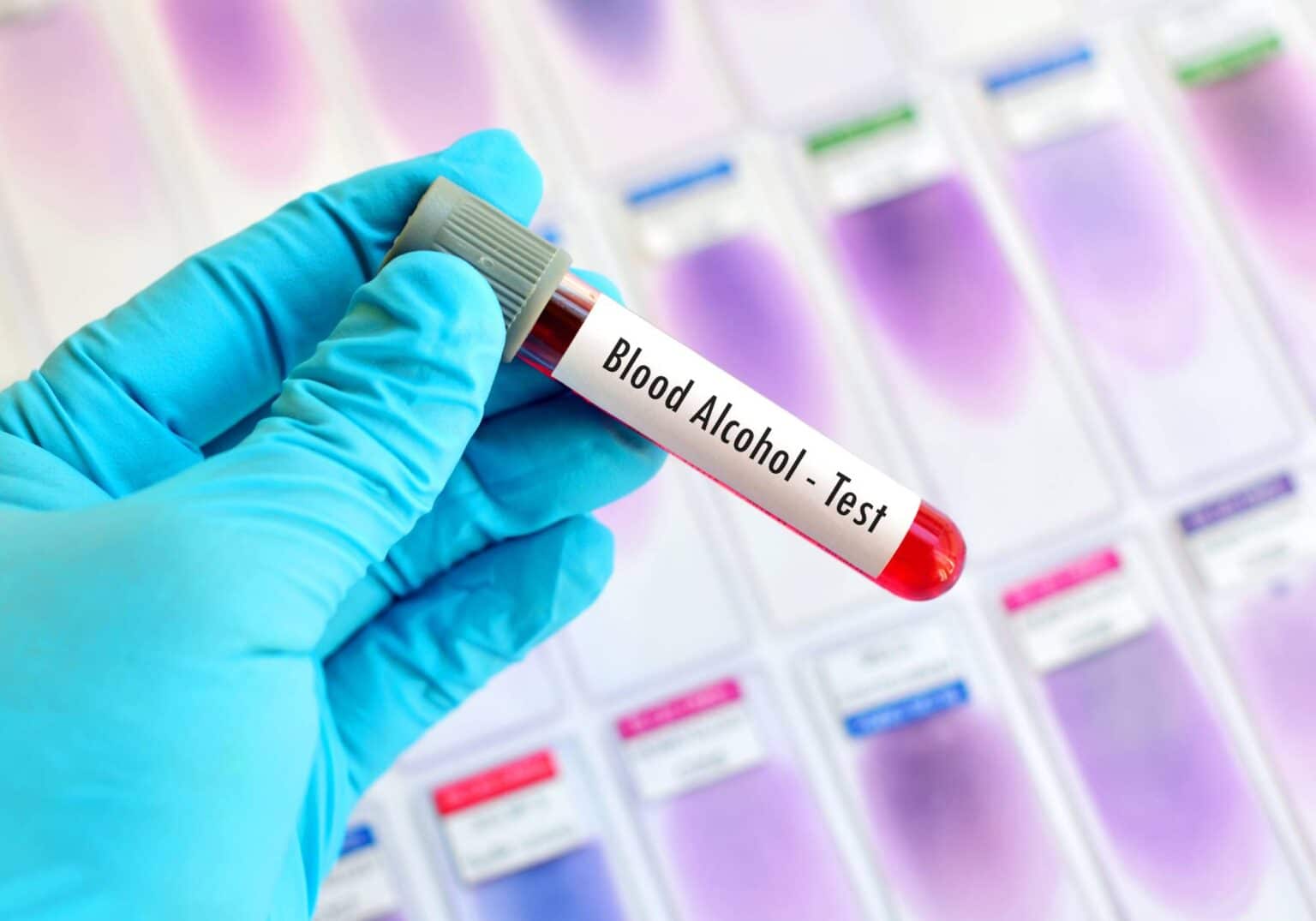

Understanding blood alcohol concentration, commonly known as BAC, is essential for anyone who consumes alcohol. This metric, which measures the percentage of alcohol in your bloodstream, directly correlates to your level of impairment and is the legal standard for determining if you are too intoxicated to perform tasks like driving. A higher BAC can pose serious health risks and lead to life-altering legal consequences.
This comprehensive guide will explore BAC levels in detail, from the factors that influence your personal alcohol concentration to the effects at each stage. We will clarify the legal limit of alcohol and answer common questions to keep you safe. If you or a loved one consistently struggles with high BAC levels, the compassionate team at Hope Harbor Wellness provides outpatient addiction treatment in Atlanta, GA, to help you find a path to recovery.
What is Blood Alcohol Concentration (BAC)?
Blood alcohol concentration or BAC is the most common metric used to quantify the amount of alcohol circulating in a person’s bloodstream. It is expressed as a percentage, representing the mass of alcohol per volume of blood. For example, the legal blood alcohol limit for driving in most of the United States is 0.08%. This means a person has 80 milligrams of alcohol for every 100 milliliters of their blood.
When you drink, alcohol is absorbed through the stomach and small intestine into your bloodstream, which then carries it throughout your body and to your brain. The liver is responsible for metabolizing this alcohol, but it can only process a limited amount at a time—approximately one standard drink per hour. When you consume alcohol faster than your liver can break it down, your blood alcohol concentration rises, leading to increased impairment.
Critical Factors That Influence Your BAC Level
Your BAC is not determined solely by the number of drinks you have. It is a highly individualized metric influenced by a combination of physiological and situational factors. Understanding these can help you make more informed decisions when drinking.
- Body Weight and Composition: A heavier individual generally has more water and blood in their body to dilute alcohol, often resulting in a lower BAC than a lighter person who consumed the same amount. Body fat percentage also plays a role; fat tissue does not absorb alcohol well, so individuals with higher body fat may have a higher BAC.
- Biological Sex: Due to differences in body composition, men and women metabolize alcohol differently. Women typically have a higher percentage of body fat and less body water than men of the same weight. Furthermore, women often have lower levels of alcohol dehydrogenase (ADH), the primary enzyme that breaks down alcohol in the stomach and liver. This causes alcohol concentration blood to rise more quickly in women.
- Food Intake: Drinking on an empty stomach allows alcohol to pass directly from the stomach into the small intestine, where it is absorbed rapidly into the bloodstream. Eating a substantial meal, particularly one high in protein and fats, before drinking slows down this absorption process, resulting in a more gradual increase in your BAC level.
- Rate of Consumption: The speed at which you drink is a major factor. “Chugging” or drinking quickly overwhelms the liver’s ability to metabolize the alcohol. Sipping drinks slowly over a longer period gives your liver more time to process the alcohol, keeping your blood alcohol concentration levels lower.
- Type of Alcoholic Beverage: Not all drinks are created equal. Carbonated beverages like sparkling wine or mixed drinks with soda can increase the rate of alcohol absorption. Additionally, drinks with a higher alcohol percentage (like spirits) will raise your BAC more quickly than drinks with a lower concentration (like light beer).
- Age: As people get older, their metabolism tends to slow down, and their percentage of body water may decrease. This can lead to a higher BAC even when consuming the same amount of alcohol that they did when they were younger.
- Medications and Health Conditions: Many prescription and over-the-counter medications can interact negatively with alcohol, intensifying its effects and leading to a higher BAC. Always consult your doctor or pharmacist. Certain health conditions, especially those affecting liver function, can also impair the body’s ability to process alcohol.
Understanding BAC Levels: A Detailed Chart of Effects
As your blood alcohol concentration increases, so does the severity of impairment. The question “what bac is drunk?” has both a subjective and a legal answer. While the legal limit of alcohol for driving is 0.08%, impairment begins at much lower levels.
- 0.01% – 0.03% (Sober to Mildly Relaxed): You are unlikely to feel significant effects. You might feel a slight sense of relaxation or warmth. Your behavior is normal, and there is no measurable impairment.
- 0.04% – 0.06% (Exaggerated Behavior): You may feel relaxed and less inhibited. Your behavior might become more exaggerated—speaking louder or gesturing more freely. Judgment and memory are mildly impaired, and you may begin to lose finer muscle control, affecting tasks like focusing your vision.
- 0.07% – 0.09% (Legal Impairment): At this stage, your speech, vision, coordination, and reaction time are noticeably impaired. The legal blood alcohol level for driving is 0.08% for those 21 and over in almost every state. Driving is dangerous, and you are considered legally intoxicated.
- 0.10% – 0.12% (Obvious Impairment): You will exhibit clear signs of intoxication, including slurred speech, poor coordination, and visibly slowed thinking. Your judgment is significantly impaired.
- 0.13% – 0.15% (High Risk): Your BAC is now quite high. You will experience significant loss of coordination and balance, blurred vision, and potential dysphoria (a state of anxiety and restlessness). Nausea may begin.
- 0.16% – 0.20% (Sloppy Drunk): All physical and mental abilities are severely impaired. Walking is difficult, and falling is likely. Nausea is common, and feelings of dysphoria increase. Blackouts (memory loss) are possible.
- 0.21% – 0.30% (Dazed and Confused): You will be disoriented and confused. You need help to stand or walk. Your pain response is dulled, so you may not notice an injury. Vomiting is likely, and because your gag reflex is impaired, the risk of choking is high.
- 0.31% and Above (Risk of Death): This is a dangerously high blood alcohol concentration, constituting a medical emergency known as alcohol poisoning. The risk of losing consciousness and death increases dramatically. Breathing may become slow, shallow, or irregular. Heart rate may be affected, and loss of bladder control is common. A BAC of 0.40% and over is often fatal due to respiratory arrest or coma.
A Note on Extreme BAC: Is 1.3 Alcohol Level High?
Sometimes, individuals ask about extremely high BAC numbers, such as “is 1.3 alcohol level high?” This question stems from a misunderstanding of how BAC is measured. A BAC of 1.3% would mean that 1.3% of your entire bloodstream is pure alcohol, which is not survivable. A BAC of 0.40% is considered lethal for about half the population. The user asking this question likely means 0.13%, which, as described above, is a high level of intoxication with significant impairment.
How is Blood Alcohol Concentration Measured?
There are two primary methods law enforcement and medical professionals use to measure BAC:
- Breathalyzer Test: This is the most common method used by police during traffic stops. A breathalyzer device measures the amount of alcohol vapor in your exhaled breath. It provides a quick, non-invasive estimate of your BAC. While convenient, its results can be influenced by improper calibration or substances in the mouth.
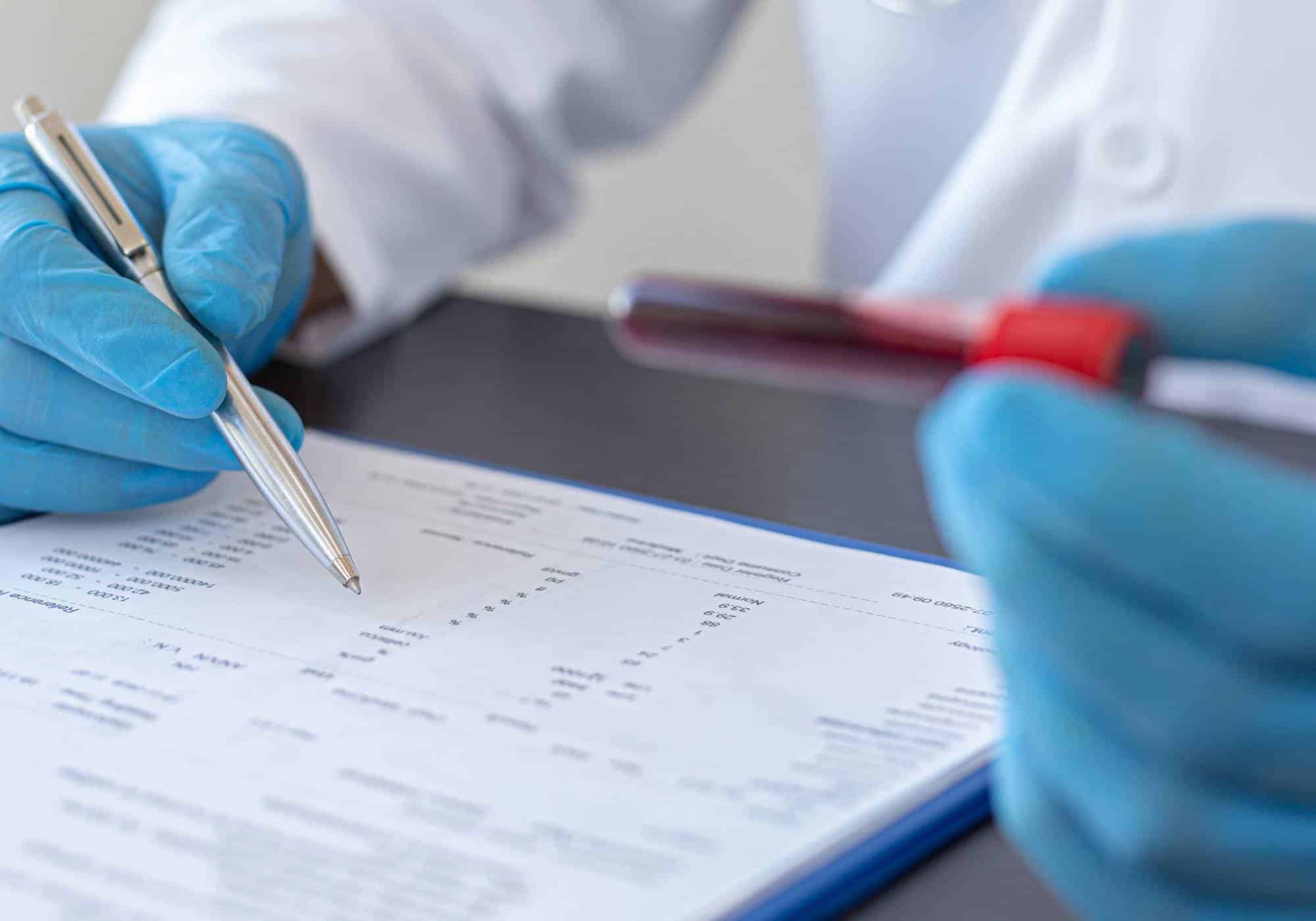
- Blood Alcohol Test: This is the gold standard for accuracy. A medical professional draws a sample of blood from a vein, which is then analyzed in a lab to determine the precise alcohol concentration blood. This test is highly accurate and can be performed several hours after the last drink.
When Drinking Becomes a Problem: Hope Harbor Wellness Can Help
For many, drinking is a social activity. However, frequent episodes of binge drinking or regularly operating with a high BAC can be signs of a developing alcohol use disorder (AUD). When alcohol use begins to cause problems in your life—affecting your health, relationships, or responsibilities—it is time to seek help.
At Hope Harbor Wellness, we understand that overcoming alcohol addiction is a personal journey. We provide structured, evidence-based care in a supportive environment. Our outpatient addiction treatment in Atlanta, GA, offers the flexibility to receive life-changing therapy while continuing to manage your work and family commitments. We help you establish clear goals, develop effective coping mechanisms, and modify behavioral patterns to build a happy, productive, and sober life.
What is Alcohol Addiction?
For many, drinking alcohol is a social activity, but for some, it can escalate into a serious problem. Frequent episodes of binge drinking (consuming a large amount of alcohol in a short period) or regularly operating with a high BAC can be tell-tale signs of a developing alcohol use disorder (AUD). An AUD is a medical condition characterized by an impaired ability to stop or control alcohol use despite adverse social, occupational, or health consequences. When alcohol use begins to cause problems in your life—affecting your health, relationships, or responsibilities—it is time to seek help.
Recognizing the Signs of Alcohol Addiction:
Alcohol addiction can manifest in various ways. It’s not always about how much someone drinks, but rather the impact their drinking has on their life. Some common signs include:
- Craving: A strong urge or need to drink alcohol.
- Loss of Control: Inability to limit alcohol intake once drinking has begun.
- Physical Dependence: Experiencing withdrawal symptoms (nausea, sweating, shaking, anxiety) when alcohol use is stopped or reduced.
- Tolerance: Needing to drink more alcohol to achieve the same effect.
- Neglect of Responsibilities: Failing to fulfill obligations at work, school, or home due to drinking.
- Continued Use Despite Harm: Continuing to drink even when it causes problems with health, relationships, or leads to legal issues.
- Giving Up Activities: Reducing or giving up important social, occupational, or recreational activities because of alcohol use.
- Time Spent: Spending a great deal of time obtaining alcohol, using alcohol, or recovering from its effects.
Alcohol Addiction Treatment at Hope Harbor Wellness
At Hope Harbor Wellness, we understand that overcoming alcohol addiction is a personal journey that requires compassionate and individualized care. We provide structured, evidence-based treatment in a supportive environment to help individuals find a path to lasting recovery.
Our outpatient addiction treatment in Atlanta, GA, offers a flexible yet comprehensive approach, allowing individuals to receive life-changing therapy and support while maintaining their work, family, and other daily commitments. This model is ideal for those who have a stable living environment and a strong support system but require professional guidance to address their alcohol use.
Our treatment programs typically include a combination of therapies and support services, such as:
- Individual Therapy: One-on-one sessions with a therapist to explore the root causes of addiction, develop coping mechanisms, and address co-occurring mental health conditions.
- Group Therapy: Peer-supported sessions that provide a safe space for individuals to share experiences, build community, and learn from others facing similar challenges.
- Family Therapy: Involving family members in the treatment process to improve communication, heal relationships, and build a supportive home environment.
- Education: Learning about the disease of addiction, triggers, and relapse prevention strategies.
- Skill Building: Developing healthy coping skills, stress management techniques, and strategies for managing cravings and high-risk situations.
- Holistic Therapies: Incorporating practices like mindfulness, meditation, or other wellness activities to promote overall well-being.
- Aftercare Planning: Developing a comprehensive plan for continued support and resources to maintain sobriety after completing the program.
Our dedicated team at Hope Harbor Wellness helps you establish clear goals, develop effective coping mechanisms, and modify behavioral patterns to build a happy, productive, and sober life. Contact us today at 770-230-4257 or fill out our contact form. We are committed to empowering individuals to reclaim their lives from alcohol addiction and build a healthier future.
Blood Alcohol Concentration Frequently Asked Questions
What BAC is legally considered drunk?
In the United States, the legal blood alcohol limit is 0.08% for non-commercial drivers aged 21 and over. For commercial drivers, the legal limit is stricter at 0.04%. For individuals under 21, most states have “Zero Tolerance” laws, where any detectable amount of alcohol (typically 0.01% or 0.02%) is illegal.
How many drinks does it take to reach a 0.08% BAC?
This varies greatly depending on the factors listed above (weight, sex, food intake, etc.). As a very general estimate, a 160-pound man might reach 0.08% after about four standard drinks in one hour, while a 130-pound woman might reach it after two or three drinks in the same timeframe. These are not reliable calculations for personal use.
What is the highest BAC a person has survived?
While a BAC of 0.40% is often fatal, there are rare, documented medical cases of individuals surviving much higher levels, sometimes in excess of 1.0%, typically due to chronic alcoholism which builds an extremely high tolerance. These are extreme outliers and do not reflect the danger for the average person.
How long does it take for BAC to return to zero?
Your body metabolizes alcohol at a relatively constant rate of about 0.015% per hour. So, if your BAC was 0.08%, it would take over five hours for it to return to zero. If your BAC was 0.15%, it would take about ten hours.
Can you lower your BAC faster?
No. There is no way to speed up the rate at which your liver metabolizes alcohol. Common myths like drinking coffee, taking a cold shower, or exercising do not lower your blood alcohol concentration. These activities might make you feel more alert, but you are still just as impaired. The only thing that reduces your BAC is time.