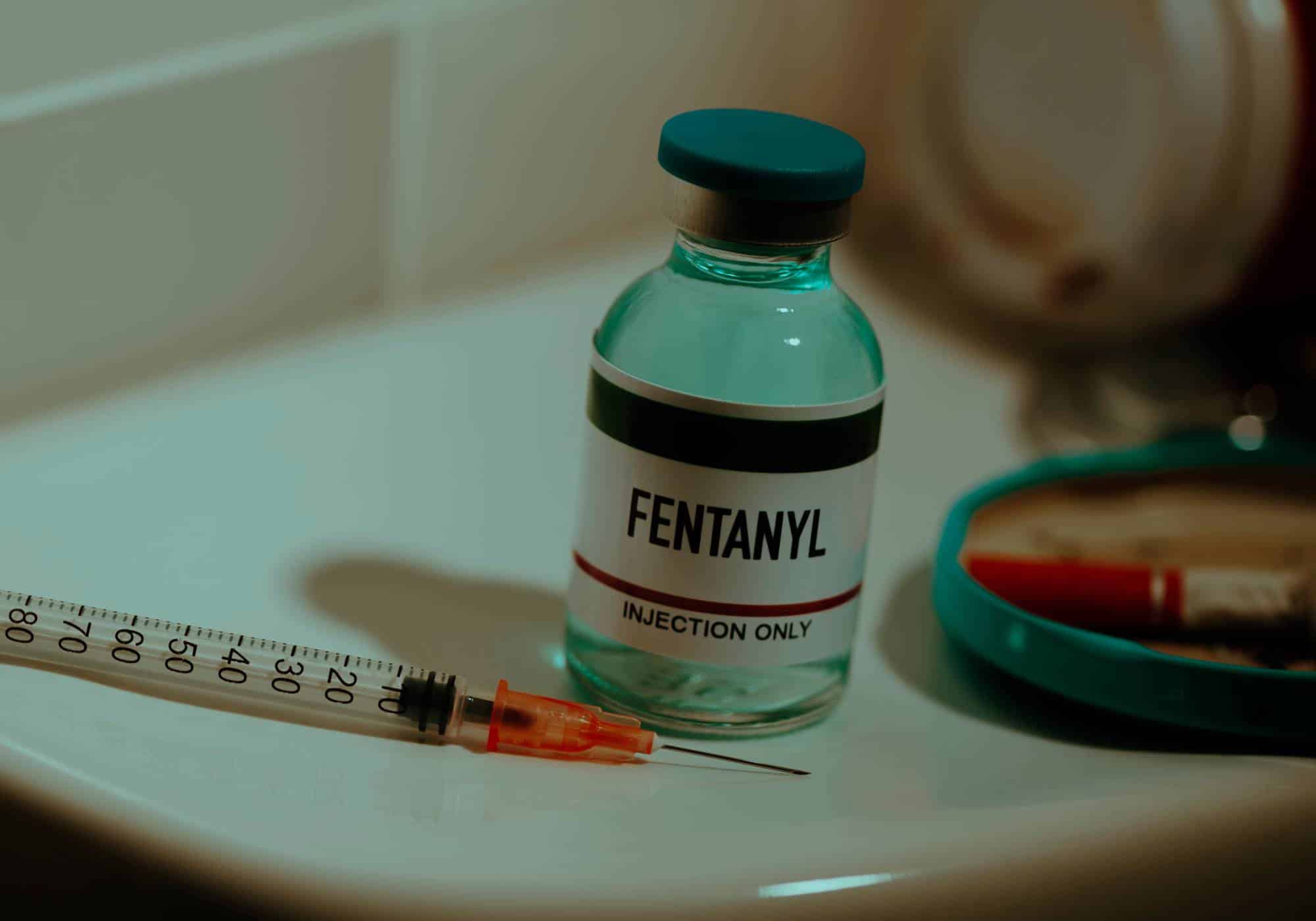

A barbiturate overdose is a medical emergency that can turn sedative use deadly in minutes. These powerful CNS depressants—once common in sleep aids and seizure drugs—now carry a high risk of respiratory failure and heart collapse when misused. Whether you’ve taken an accidental barbiturate overdose or see signs in a loved one, understanding the basics can save a life. We’ll cover what is a barbiturate overdose, symptoms of barbiturate overdose, overdose barbiturates causes, and barbiturate overdose treatment steps. At Hope Harbor Wellness in Atlanta, GA, our outpatient addiction team guides you from crisis to lasting recovery.
What Are Barbiturates?
Barbiturates are sedative-hypnotic drugs first introduced in the early 1900s. They work by boosting gamma-aminobutyric acid (GABA), the brain’s main “slow-down” chemical. In small doses, barbiturates induce relaxation, reduce anxiety, and promote sleep. In larger amounts, they can suppress breathing and even cause coma.
Common barbiturates include:
- Phenobarbital: Long-acting, still used for epilepsy.
- Pentobarbital (Nembutal): Intermediate-acting, veterinary euthanasia, some rare human uses.
- Secobarbital (Seconal): Short-acting sleep aid (historic).
- Butalbital: Combined with acetaminophen or caffeine for tension headaches.
By the 1970s, doctors shifted to benzodiazepines, which act at a safer GABA receptor site and have a wider therapeutic window. Yet barbiturates remain in some prescriptions—and in illicit markets—so the risk of overdose of barbiturates persists.
Can You Overdose on Barbiturates?
Yes. The risk of barbiturates overdose is high because the margin between a therapeutic dose and a lethal one is narrow. Taking just double your usual dose—or adding another depressant like alcohol—can tip the scales.
Key reasons you can overdose on barbiturates:
- Tolerance builds fast: You need more to feel the same effect.
- Mixing depressants: Alcohol, opioids, or benzodiazepines dramatically increase respiratory suppression.
- Long half-lives: Drugs like phenobarbital linger for days, so stacking doses accidentally is easy.
- Accidental misdosing: Similar-looking pills and complex regimens—especially among older adults—spike overdose odds.
Any sign of profound sleepiness, slowed breathing, or unresponsiveness should trigger an urgent overdose response—call 911 immediately.
What Is a Barbiturate Overdose?
A barbiturate overdose occurs when blood levels of the drug exceed what your liver can clear, flooding the brain’s respiratory and cardiovascular centers.
GABA receptors go into overdrive, shutting down critical reflexes:
- Breathing slows or stops. Carbon dioxide rises, oxygen falls.
- Blood pressure drops. Brain and organ perfusion suffer.
- Heart rate falters. Arrhythmias and cardiac arrest can follow.
- Consciousness fades. Coma sets in without swift medical care.
The severity depends on:
- Type of barbiturate: Short-acting versions spike faster.
- Dose taken: Even “one extra pill” can be lethal.
- Co-ingestants: Alcohol or opioids multiply danger.
- Individual health: Liver or lung disease heightens risk.
Immediate treatment can reverse these effects, but chances improve the sooner someone gets help.
Causes of Barbiturate Overdose
Accidental Barbiturate Overdose
Even on prescription, barbiturates demand exact dosing:
- Dose stacking: Someone takes another pill “to help them sleep,” unaware the first hasn’t kicked in yet.
- Memory lapses: Older adults or those with cognitive issues may double-dose.
- Pill confusion: Butalbital headache pills look like other tablet forms, leading to mix-ups.
- DIY mixing: Patients combine CNS depressants—cold medicines, alcohol, leftover pills—without realizing additive effects.
Intentional Overdose
- Recreational misuse: Barbiturates once were party drugs for the “liquid light” sensation—now rare but still dangerous.
- Self-harm: Their lethality and initial euphoria make them a suicide choice for those in crisis.
- Desperation: People facing withdrawal may take massive doses hoping to “stop the shakes,” only to push themselves past safety.
Mixing with Other Depressants
Combining barbiturates with other sedatives magnifies risks:
| Combination | Overdose Danger |
|---|---|
| Barbiturate + Alcohol | Synergistic respiratory depression → suffocation risk. |
| Barbiturate + Opioids | Dual breathing suppression → fatal hypoxia. |
| Barbiturate + Benzodiazepines | Extreme sedation → coma, aspiration pneumonia. |
| Barbiturate + Antihistamines (Benadryl) | Profound drowsiness → falls, accidents. |
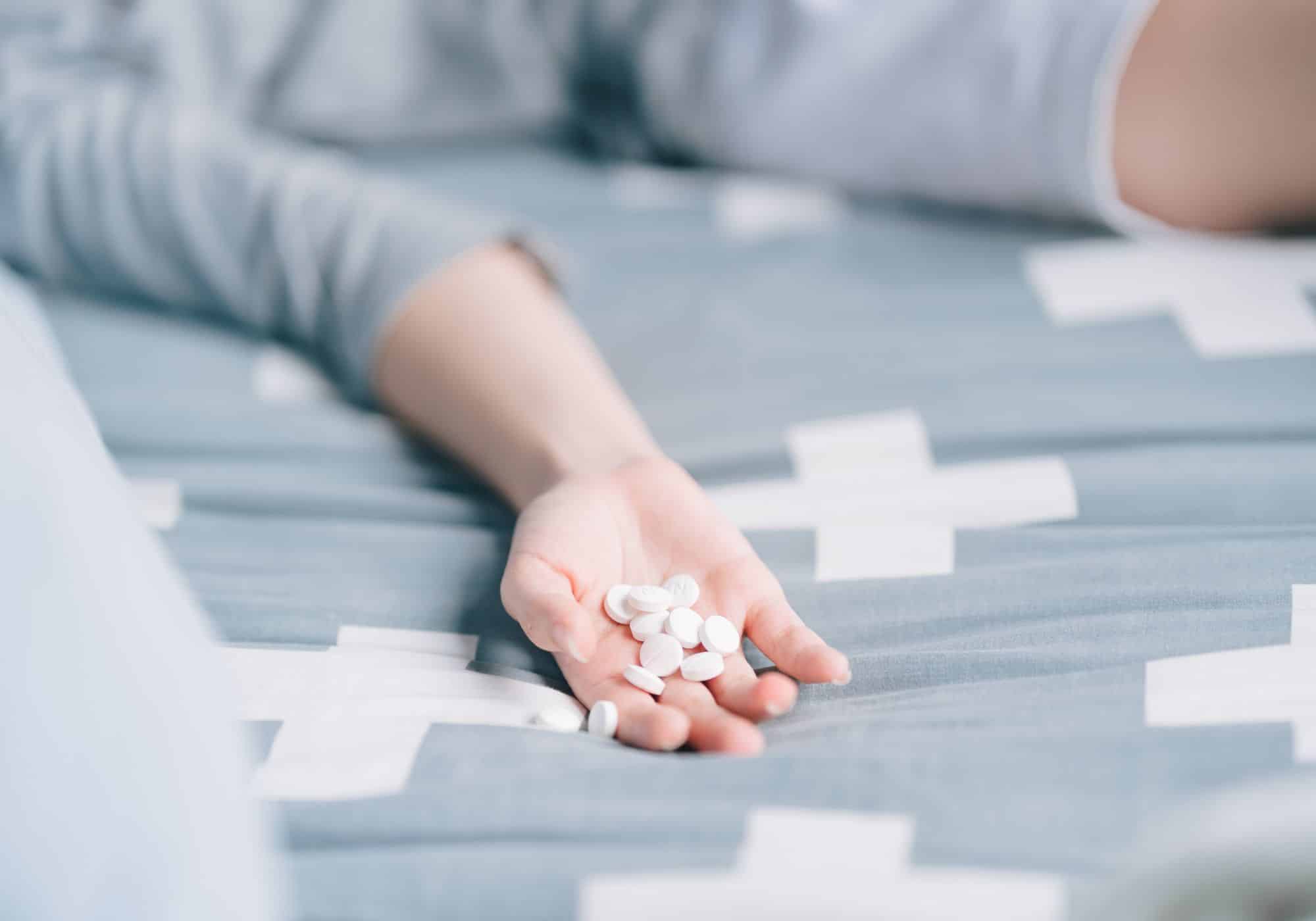
Signs and Symptoms of Barbiturate Overdose
Early Signs
- Excessive sleepiness, drifting off mid-conversation
- Mild confusion or slurred speech
- Nausea or upset stomach
Moderate Signs
- Gait ataxia—unsteady walking, stumbling
- Blurred or tunnel vision
- Confusion about time or place
Severe Signs
- Respirations <8 breaths per minute or long pauses >10 seconds
- Pulse <50 bpm or erratic heart rhythm
- Blood pressure <90/60 mmHg—dizziness, fainting
- Pinpoint pupils or unresponsive pupils
- Cyanosis—blue fingernails or lips
- No response to loud voice or pain stimuli
Life-Threatening Signs
- Seizure activity due to hypoxia
- Coma—no eye opening or verbal response
- Respiratory arrest (no breathing)
- Cardiac arrest (no pulse)
Any sign of severely slow breathing or unresponsiveness means you must call 911 and begin rescue breathing immediately.
Barbiturate Poisoning
“Barbiturate poisoning” includes any toxic exposure—overdose, accidental ingestion by a child, or even workplace inhalation of powdered forms.
Treatment centers on the ABC approach:
- Airway: Clear vomit, suction if needed, insert airway adjuncts.
- Breathing: Provide 100% oxygen; bag-valve-mask ventilation if rates are low.
- Circulation: IV fluids and vasopressors if blood pressure remains too low.
After stabilizing vitals, medical teams order:
- Serum barbiturate levels
- Comprehensive metabolic panel
- ECG for rhythm monitoring
- Toxicology screens for co-ingestants
The faster labs return, the more tailored the next steps—charcoal, lavage, or dialysis—become.
Accidental Barbiturate Overdose
People prescribed butalbital for tension headaches or phenobarbital for epilepsy may assume “it’s normalized.”
Accidents happen when:
- Loved ones borrow leftover pills.
- Seniors confuse day/night doses.
- Teens experiment with pills sourced from medicine cabinets.
Prevention measures:
- Lockboxes for all controlled meds.
- Blister packs labeled clearly.
- Family supervision if memory issues exist.
- Regular med reconciliation at doctor visits.
Barbiturate Withdrawal
When someone stops barbiturates abruptly after weeks of use, their brain overreacts:
- Hours 8–16: Anxiety, tremors, insomnia.
- Hours 16–24: Nausea, sweating, hypertension.
- Hours 24–72: Seizures, hallucinations, delirium—can be fatal.
Medical detox tapers dose by 10–20% every 48 hours or switches short-acting agents to phenobarbital long-acting plans. Hospitalization minimizes seizure and cardiac risks.
Are Barbiturates Addictive?
Yes. Barbiturates carry high addiction potential because they relieve anxiety, induce euphoria, and build tolerance quickly. Dependence emerges in as little as two weeks, paving the way to compulsive use and dangerous dose escalation.
Barbiturate Addiction
Addiction goes beyond needing pills to sleep:
- Work & school decline: Absences, errors, or quitting under sedation.
- Social fallout: Isolation to use alone, family disputes over pill use.
- Legal trouble: Forged prescriptions, DUI arrests after mixing with alcohol.
Physical health also suffers: chronic respiratory infections, cognitive blunting, and heightened fall risk in older patients.
Signs and Symptoms of Barbiturate Addiction
Recognizing barbiturate addiction starts with spotting changes in how someone looks, behaves, and feels.
Watch for a mix of physical, behavioral, and psychological warning signs:
- Persistent drowsiness or lethargy that makes it hard to get through the day
- Slurred speech, unsteady walking, or frequent stumbling
- Needing higher doses over time to achieve the same calming effect
- Experiencing anxiety, tremors, or insomnia between doses
- “Doctor shopping” for multiple barbiturate prescriptions
- Hiding pills or using them in secret, even around friends or family
- Letting work, school, or home responsibilities slide in favor of drug use
- Mixing barbiturates with alcohol or other sedatives to chase a stronger high
- Repeated failed attempts to cut back or quit, despite serious consequences
- Noticeable mood swings, irritability, or depression when off the drug
- Constant preoccupation with obtaining or using barbiturates
If you see these signs in yourself or a loved one, it’s time to reach out for professional support. Early intervention can break the cycle of dependence and set the stage for lasting recovery.
Treatment for Barbiturate Addiction
Medical Detox
- Admit to a monitored detox unit.
- Phenobarbital taper or substitution protocol.
- Benzodiazepines for seizure control if needed.
- Vitamins and fluids to correct deficiencies.
Outpatient Addiction Treatment at Hope Harbor Wellness
- Partial Hospitalization Program (PHP) – Intensive therapy five days per week, six hours daily.
- Intensive Outpatient Program (IOP) – Nine to 15 hours weekly for those stabilizing.
- Dual-Diagnosis Treatment – Simultaneous treatment for anxiety, depression, or PTSD fueling misuse.
- Medication Management – Switch to safer meds like gabapentin or mirtazapine.
- Peer Support Groups – Weekly sober peer groups to build accountability.
Behavioral Therapies
- Cognitive-Behavioral Therapy (CBT): Challenges “I need pills to cope” thinking.
- Dialectical Behavior Therapy (DBT): Teaches distress tolerance and emotion regulation.
- Motivational Interviewing: Strengthens personal reasons to quit.
- Contingency Management: Rewards for clean drug tests.
Aftercare includes alumni meetups, smartphone check-ins, and family education sessions.
What Is Barbiturate Level 45?
A blood level of 45 mcg/mL often signals serious toxicity. At or above this threshold, ICU staff typically intubate, start activated charcoal if within four hours of ingestion, and begin urinary alkalinization. Phenobarbital half-life can extend 80–120 hours, so repeated dialysis may be necessary in severe cases.
What Is the Barbiturate Overdose Treatment?
Pre-Hospital Steps
- Call 911—never assume they’ll “sleep it off.”
- Check responsiveness—if none, begin rescue breaths at one every five seconds.
- Recovery position—on the side to clear vomit and protect airway.
Emergency Department Care
- Airway protection: Intubate if Glasgow Coma Scale ≤8.
- Breathing support: 100% oxygen, mechanical ventilation as needed.
- Circulation: IV fluids, vasopressors for persistent hypotension.
- Decontamination: Activated charcoal (1 g/kg) if ingestion <2 hours.
- Labs: Serum barbiturate, kidney/liver tests, ECG for QT prolongation.
- Imaging: Chest X-ray for aspiration pneumonia.
Intensive Care Unit (ICU)
- Continuous cardiorespiratory and EEG monitoring.
- Repeat barbiturate levels every 6–12 hours until <30 mcg/mL.
- Alkalinize urine with sodium bicarbonate IV to enhance phenobarbital excretion.
- Hemodialysis if levels remain high or patient comatose >24 hours.
- Treat aspiration pneumonitis with antibiotics.
Barbiturate Antidote
No single “antidote” exists. Effective reversal relies on supportive ICU care, enhanced elimination (charcoal, dialysis, urine alkalinization), and prevention of secondary injury from hypoxia or aspiration.
How to Reverse Barbiturate Overdose
Reversal is a team effort:
- EMS stabilizes airway and breathing en route.
- ED secures IV access, decontaminates GI tract, and monitors vitals.
- ICU continues ventilatory support and accelerates drug clearance.
Time equals brain cells—faster response means fewer lasting complications.
Long‑Term Recovery & Prevention
Surviving an overdose is just the start.
At Hope Harbor Wellness in Atlanta, GA, we build personalized recovery plans:
- Medication revision: Swap barbiturates for anticonvulsants or antidepressants with safer profiles.
- CBT-I for insomnia: Avoid sedatives by teaching sleep hygiene, stimulus control, and relaxation techniques.
- Relapse-prevention planning: Identify triggers—stress, pain, loneliness—and develop coping strategies.
- Family education: Train loved ones in overdose response and boundary setting.
- Peer support: Weekly sober living groups and alumni events to stay connected.
Local resources include Georgia’s PDMP to track prescriptions and multiple DEA take-back sites for safe disposal.
Barbiturate Overdose FAQs
What is a Barbiturate Overdose?
A life-threatening CNS depression from too much barbiturate, leading to slowed breathing, coma, or death.
Can you Overdose on Barbiturates?
Yes. Even small dose escalations or mixing with alcohol can prove fatal.
How to Reverse Barbiturate Overdose?
Call 911, support airway and breathing, then hospital-based charcoal, dialysis, and monitoring.
How to Treat Barbiturate Overdose?
Emergency respiratory support, IV fluids, toxin removal methods, ICU care, and addiction treatment referrals.
Hope Harbor Wellness combines medical expertise and compassionate counseling to guide Atlantans through barbiturate overdose recovery and addiction treatment. Ready to reclaim control? Contact Hope Harbor Wellness today at 770-573-9546 or fill out our online contact form for outpatient help in Atlanta, GA, and start your journey to safety and sobriety.