
What Is MDMA?
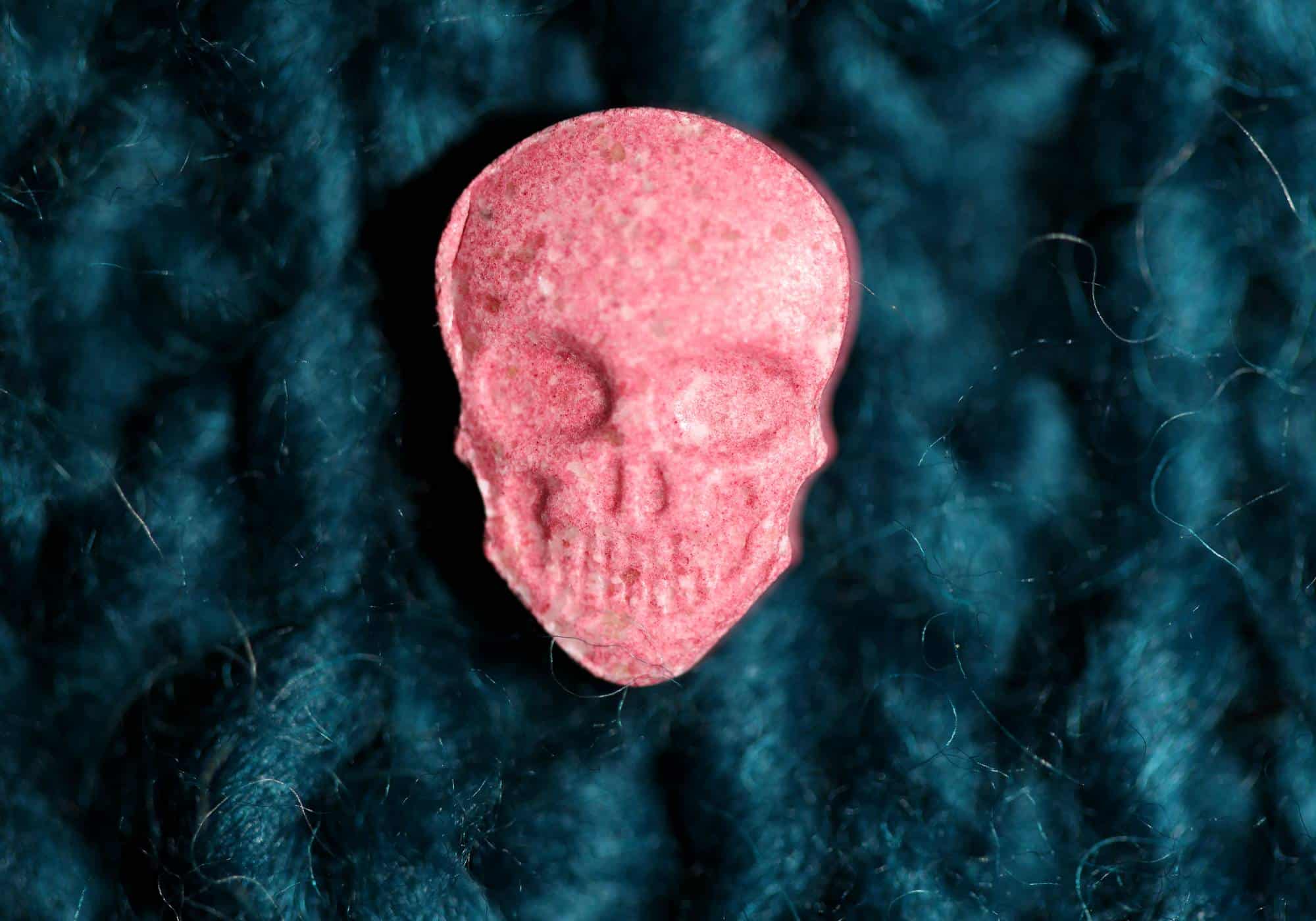
MDMA, often called ecstasy or molly, is a synthetic drug that affects mood and perception. It increases the activity of brain chemicals that influence pleasure, energy, and emotional connection. Many people first encounter MDMA in party or club settings and believe it is a “social” or “fun” drug.
What often gets overlooked is that MDMA can strain the brain and body, especially when it is used repeatedly or in large amounts. Snorting MDMA instead of swallowing it increases the intensity of the effects and the risks, and it can lead to serious mental and physical health problems.
If MDMA has become hard to control for you or someone you love, Hope Harbor Wellness in Atlanta, Georgia offers compassionate, evidence based treatment for substance use and co occurring mental health conditions.
How People Use and Snort MDMA
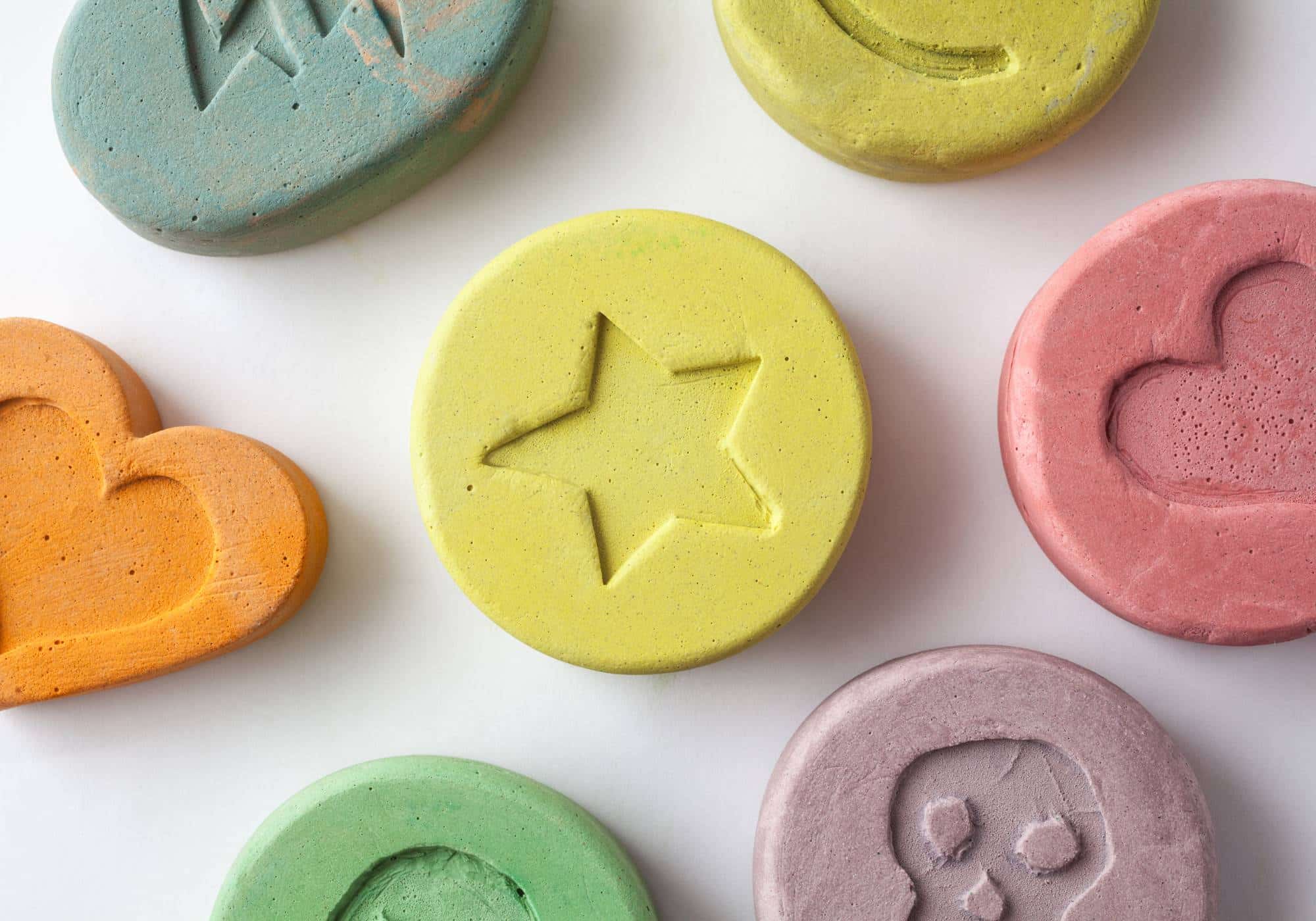
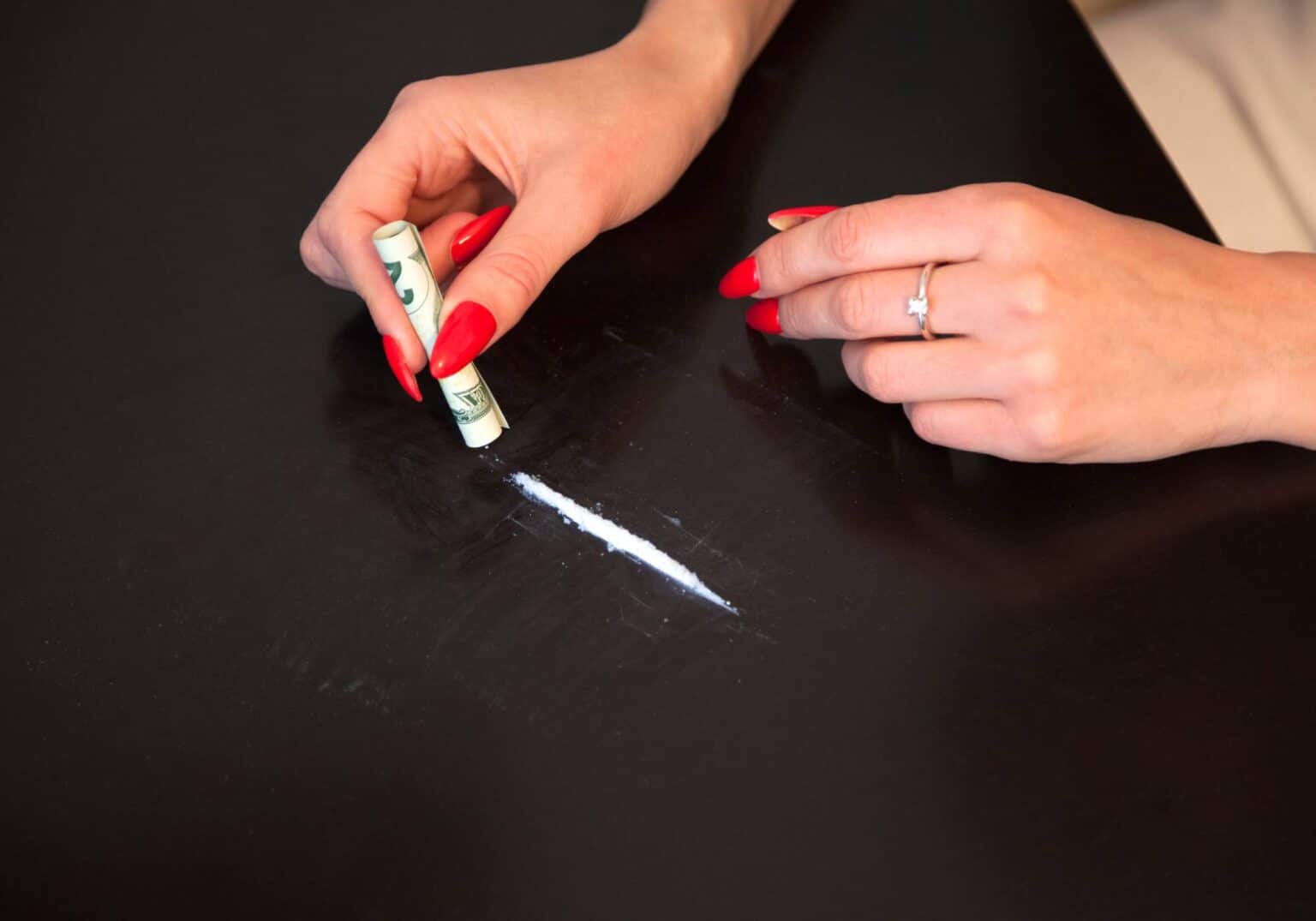
MDMA usually comes as tablets, capsules, or loose crystals. People may swallow tablets, empty capsules into drinks, or snort the powder through the nose.
Snorting MDMA can:
- Make the drug take effect more quickly
- Lead to a more intense and unpredictable experience
- Increase the risk of taking too much
- Cause damage to the nose and sinuses
Because the effects can feel strong and come on fast, some people underestimate how much they have taken. It is also common for MDMA to be mixed with other substances without the user knowing, which adds more danger.
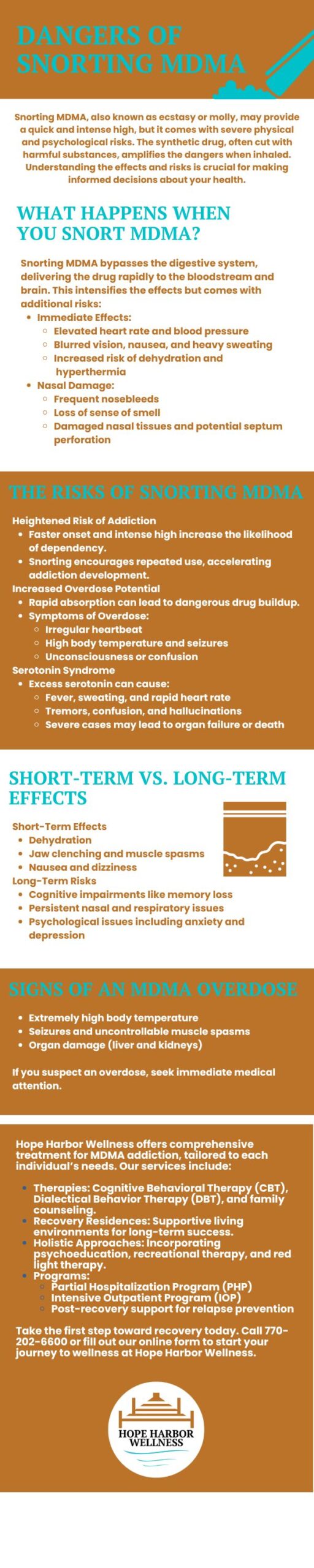
What Happens When You Snort MDMA
When MDMA is snorted, it is absorbed through the nasal tissues and enters the bloodstream quickly.
This can lead to:
- A rapid rush of euphoria or emotional warmth
- Increased energy and alertness
- Heightened sensory perception, such as lights and music feeling more intense
- Lowered inhibitions and increased talkativeness
Along with these effects, there are immediate side effects that can include:
- Burning or irritation in the nose and throat
- Runny or congested nose
- Headache
- Jaw clenching and teeth grinding
- Sweating and increased heart rate
- Nausea or upset stomach
People who snort MDMA may feel like they can keep going for hours, but their body is often overheating and becoming dehydrated, which can be dangerous.
Short Term Risks of Snorting MDMA
In the short term, snorting MDMA can lead to:
- Elevated heart rate and blood pressure
- Overheating and dehydration, especially in hot or crowded environments
- Confusion, agitation, or anxiety
- Panic attacks or paranoia
- Blurred vision or dizziness
Because snorting can make the effects stronger, it may increase the chance of:
- Losing track of how much has been used
- Mixing MDMA with alcohol, cocaine, or other substances
- Engaging in unsafe sex or risky behavior
- Fainting or collapsing due to overheating or heart strain
Some people also experience what is often called a “comedown” or “crash” the next day, with low mood, fatigue, and irritability.
Long Term Effects of MDMA Misuse
Repeated use of MDMA can affect both the brain and the body.
Possible long term effects include:
- Ongoing anxiety, depression, or mood swings
- Memory problems and difficulty concentrating
- Sleep problems and fatigue
- Increased risk of panic attacks
- Changes in appetite and weight
- Persistent jaw pain or dental damage from grinding
For people who snort MDMA frequently, there can also be:
- Chronic nasal congestion or infections
- Nosebleeds
- Damage to nasal tissue and sinuses
Over time, some individuals find that they need more MDMA to feel the same effects, or that they feel emotionally flat or depressed when they are not using. This pattern can signal the development of dependence and addiction.

Signs MDMA Use Is Becoming a Problem
It can be easy to dismiss MDMA as just a party drug, but certain warning signs suggest it is becoming dangerous.
Signs of problematic MDMA use include:
Physical signs
- Needing more MDMA to feel the same effect
- Frequent nasal irritation or nosebleeds from snorting
- Headaches, jaw pain, or unexplained fatigue
- Changes in sleep patterns or appetite
Emotional signs
- Feeling low, anxious, or empty between uses
- Mood swings or irritability that affect relationships
- Increased anxiety or panic in situations where you used to feel comfortable
Behavioral signs
- Planning social life around using MDMA or other drugs
- Using more often than intended or in larger amounts
- Taking risks you would not normally take, such as unsafe sex or driving while impaired
- Hiding your use from friends or family
- Struggling at work, school, or in relationships due to use or comedown days
If you recognize several of these signs, it is time to consider getting support.
Can You Overdose From Snorting MDMA?
Yes. It is possible to overdose on MDMA, and snorting can increase that risk. Overdose does not always look dramatic at first, but it can quickly become life threatening.
Signs of a possible MDMA overdose or severe reaction include:
- Very high body temperature
- Fast or irregular heartbeat
- Confusion or disorientation
- Seizures
- Fainting or unresponsiveness
- Difficulty breathing
If someone is showing these symptoms after using MDMA, call emergency services right away. Do not assume they will “sleep it off.” Staying with them, cooling them down, and getting professional help quickly can save a life.
MDMA, Mental Health, and Polydrug Use
Many people who use MDMA are also dealing with:
- Anxiety, depression, or social anxiety
- Past trauma or painful experiences
- Pressure to fit in or perform socially
MDMA may seem to make these feelings easier to handle in the moment, but over time it can make them worse.
Some individuals also mix MDMA with alcohol, cannabis, cocaine, or other substances, which can:
- Mask how much of each drug has been used
- Increase the risk of dangerous interactions
- Make mood and mental health episodes more intense
If you are using MDMA to cope with emotional pain, panic, or social situations, you deserve support that addresses both substance use and mental health, not judgment.

Is MDMA Addictive?
MDMA can be psychologically addictive. People may feel like they need it to enjoy music, connect with friends, or feel confident.
Over time, they may:
- Crave the feelings it brings
- Use more frequently or in larger amounts
- Feel low, empty, or anxious when not using
- Continue to use even when it causes conflict, health issues, or legal trouble
While MDMA withdrawal is different from opioid or alcohol withdrawal, it can still be very uncomfortable.
People may experience:
- Depression or hopelessness
- Anxiety or restlessness
- Trouble sleeping
- Intense cravings
- Low energy and motivation
These symptoms can make it hard to stop without help.
Treatment for MDMA Misuse and Addiction
Recovering from MDMA misuse involves more than just stopping the drug. Effective treatment addresses mood, stress, trauma, and the reasons someone started using in the first place.
Treatment can include:
- Assessment and Stabilization
A thorough assessment helps identify how often MDMA is used, other substances involved, and any co occurring mental health conditions such as anxiety, depression, or PTSD. - Partial Hospitalization Program (PHP)
PHP provides structured, daytime treatment with multiple therapy groups, individual sessions, and psychiatric care, then you return home at night. This is helpful when MDMA use has significantly disrupted daily life. - Intensive Outpatient Program (IOP)
IOP offers several days per week of therapy and support while you continue to work, attend school, or care for family responsibilities. - Outpatient Therapy
Individual, group, and family therapy help you build coping skills, repair relationships, and manage triggers without returning to MDMA use. - Dual Diagnosis Treatment
Many people who use MDMA also live with anxiety, depression, or trauma related symptoms. Treating mental health and substance use together reduces the chance of relapse. - Aftercare and Relapse Prevention
Ongoing support, peer groups, and a clear plan for handling cravings and stress help protect the progress you have made.
MDMA Addiction Treatment in Atlanta, GA
At Hope Harbor Wellness, we offer specialized MDMA addiction treatment in Atlanta, GA designed to empower individuals towards a life free from dependency. Recognizing the often intertwined nature of substance use and mental health disorders, our approach includes dual diagnosis treatment. This is vital as the 2021 National Survey on Drug Use and Health indicates that 17.9 million adults over 18 have concurrent substance use and mental health issues.
Our multifaceted treatment strategy for Ecstasy addiction encompasses:
- Individual and Group Therapy: Providing personal and collective support and insight.
- Family Therapy: To repair and strengthen family dynamics affected by addiction.
- Recovery Residences: Safe and supportive living environments for those in recovery.
- Holistic Therapy: Including methods that address overall well-being beyond traditional therapy.
- Genetic Testing and Red Light Therapy: Innovative approaches to support recovery.
- Cognitive Behavioral Therapy (CBT) and Dialectical Behavior Therapy (DBT): Evidence-based therapies to change negative thought patterns and improve emotional regulation.
- Peer Support: Encouragement and understanding from others in recovery.
- Relapse Prevention and Healthy Coping Skills: Tools to maintain long-term sobriety.
- Psychoeducation: Increasing awareness about addiction and mental health.
- Recreational Therapy: Engaging activities that promote healthy living.
- Partial Hospitalization Program (PHP): Intensive outpatient care for more severe cases.
- Intensive Outpatient Program (IOP): Flexible treatment options for those balancing recovery with daily commitments.
- Post-Recovery Program: Ongoing support to sustain the progress made in treatment.
At Hope Harbor Wellness, our commitment is to tailor treatment plans to the unique needs and goals of each client. Our continuum of care from intensive outpatient programs to post-recovery support ensures sustained wellness and recovery. Call us today 770-573-9546 or fill out our online contact form to start your Ecstasy addiction treatment in Atlanta, GA.
Snorting MDMA FAQs
What happens if you snort MDMA?
Snorting MDMA makes it enter the bloodstream quickly, which can lead to a fast and intense high, but it also increases the risk of nose damage, unpredictable effects, and overdose.
Is snorting MDMA more dangerous than swallowing it?
Snorting MDMA can be more dangerous because the effects come on faster and stronger, which can make it easier to take too much and can cause more strain on the heart, brain, and nasal passages.
Can you overdose from snorting MDMA?
Yes. Snorting MDMA can lead to dangerously high body temperature, heart problems, seizures, or loss of consciousness. These are medical emergencies and require immediate help.
Is MDMA addictive?
MDMA can be psychologically addictive. People may crave the way it makes them feel and use it more often or in larger amounts even when it causes problems in their life.
What are the long term effects of MDMA misuse?
Long term MDMA misuse can cause memory and concentration problems, ongoing anxiety or depression, sleep issues, and for people who snort it, chronic nasal and sinus problems.
How does Hope Harbor Wellness treat MDMA misuse?
Hope Harbor Wellness offers PHP, IOP, and outpatient treatment that includes therapy, support for co occurring mental health conditions, and relapse prevention for people struggling with MDMA and other substances.