

The name “Quaalude” evokes a sense of nostalgia for a specific era, particularly the 1970s and 80s. A popular household drug of its time, Quaaludes have largely faded from the public consciousness, but their legacy as a powerful central nervous system depressant remains. While commercial production of the medication ceased decades ago, the drug’s active ingredient, methaqualone, and its other brand names like mandrax still hold a significant place in the history of substance misuse. This article delves into the history of this powerful sedative, exploring its rise and fall, the reasons behind its ban, the serious risks associated with its misuse, and the crucial reasons to be informed about its lingering presence around the world. Understanding what is a quaalude is essential for anyone interested in the history of drug regulation and the ongoing fight against substance use.
What Are Quaaludes (Methaqualone)?
To understand the full scope of this drug, it’s important to first clarify what is in quaaludes. The primary active ingredient is methaqualone, a synthetic central nervous system (CNS) depressant. It belongs to a class of drugs known as sedative-hypnotics, which are designed to reduce anxiety and induce sleep. Quaalude was the most prominent brand name for methaqualone in the United States, but it was also sold under other names like Sopor. A separate combination drug called mandrax methaqualone was also widely available, which typically contained 250mg of methaqualone alongside 25mg of the antihistamine diphenhydramine.
The mechanism of action for the quaalude drug is similar to that of barbiturates and benzodiazepines. It works by increasing the activity of gamma-aminobutyric acid (GABA) receptors in the brain. GABA is a neurotransmitter that inhibits nerve cell activity. By boosting GABA’s effects, methaqualone slows down the brain and nervous system, leading to a deep state of relaxation, drowsiness, and reduced anxiety. This potent sedative effect is why the drug was initially introduced as a supposedly safer alternative to barbiturates for people struggling with insomnia. However, as became clear over time, these claims about the drug’s safety were unfounded, as its high potential for addiction and similar withdrawal symptoms mirrored the very drugs it was meant to replace.
A History of the Quaalude Drug: From Prescription to Black Market
The story of the quaalude drug is one of a rapid rise to prominence and an equally swift, legally-enforced downfall. Synthesized in India in 1951, methaqualone was initially developed for its antimalarial properties before its sedative-hypnotic effects were discovered. It was first patented in the U.S. in 1962 and quickly became a popular prescription medication for insomnia.
Its brand name, Quaalude, was created by William H. Rorer Inc. by combining the words “quiet interlude,” a reflection of its intended use. By the early 1970s, quaaludes became a massive commercial success, ranking as one of America’s best-selling sedatives.
However, its popularity wasn’t limited to the medical community. Recreational users soon discovered that by resisting the strong urge to sleep, they could experience a potent high characterized by feelings of euphoria, relaxation, and disinhibition. This led to its widespread use on college campuses and in the disco scene, where it earned nicknames like “disco biscuit” and “ludes.” The rampant recreational abuse and growing public health concerns prompted the Drug Enforcement Administration (DEA) to take action. In 1973, methaqualone was reclassified as a Schedule II drug, making it more difficult to obtain. Facing mounting pressure and reputational damage, the company that owned the rights to Quaalude production eventually sold them. By 1985, the drug was officially moved to Schedule I, signifying that it had no accepted medical use and a high potential for abuse. This move effectively ended all legal production and sales of what are quaaludes in the United States.

Exploring the Mandrax Connection
When people ask, “what is in quaaludes,” it’s often a gateway to understanding the global context of the drug. While “Quaalude” was the primary brand name in the U.S., the drug was manufactured and sold internationally under a variety of different names. One of the most common was mandrax. This brand was particularly popular in places like South Africa and India, where it was often combined with other substances. The use of mandrax methaqualone was a significant public health issue in these regions for many years and continues to be a concern in some areas. The term mandrax has become synonymous with the drug’s abuse in these parts of the world, highlighting its powerful and addictive nature regardless of its brand name.
Side Effects of Quaaludes
The quaalude effects are multifaceted, impacting both the body and mind due to its sedative and hypnotic properties. The severity and nature of these effects depend heavily on the dosage and the individual’s tolerance.
Common side effects of the quaalude drug include:
- Central Nervous System Depression: This manifests as drowsiness, dizziness, and impaired motor function, which can lead to a loss of muscle control known as ataxia.
- Gastrointestinal Distress: Nausea, vomiting, abdominal cramps, and diarrhea are frequent occurrences.
- Neurological Symptoms: Users may experience tingling in their arms and legs, mental confusion, and a reduced heart rate.
- Sexual Dysfunction: The drug can occasionally trigger erectile dysfunction and make it difficult to achieve orgasm.
- High-Dose Effects: Higher doses can cause severe impairment, including seizures, coma, and even death.
A significant danger of quaaludes was their tendency to cause severe impairment of judgment and motor skills, often leading to car accidents and other reckless behaviors. This is particularly concerning when the drug is mixed with other CNS depressants like alcohol.
Quaaludes: Dosage and Overdose
When methaqualone was a legal prescription medication, its dosage ranged from 75 to 150 mg for light sedation and up to 600mg for stronger effects. The average prescribed dose was 300mg. However, a major problem with this drug is that tolerance builds rapidly. Many users who began with a safe, prescribed dose quickly found themselves needing to take far more—sometimes up to 2,000mg or more daily—to achieve the same effects.
The duration of the quaalude effects typically lasts between 5 and 8 hours. As a powerful CNS depressant, the risk of overdose is significant, especially with high doses or when combined with other substances like alcohol. A methaqualone overdose can cause comas, seizures, and respiratory failure, which can be fatal. The risk is even greater today, as the quaalude found on the black market are not subject to any quality control.
The Grave Risks of “Fake” Quaaludes Today
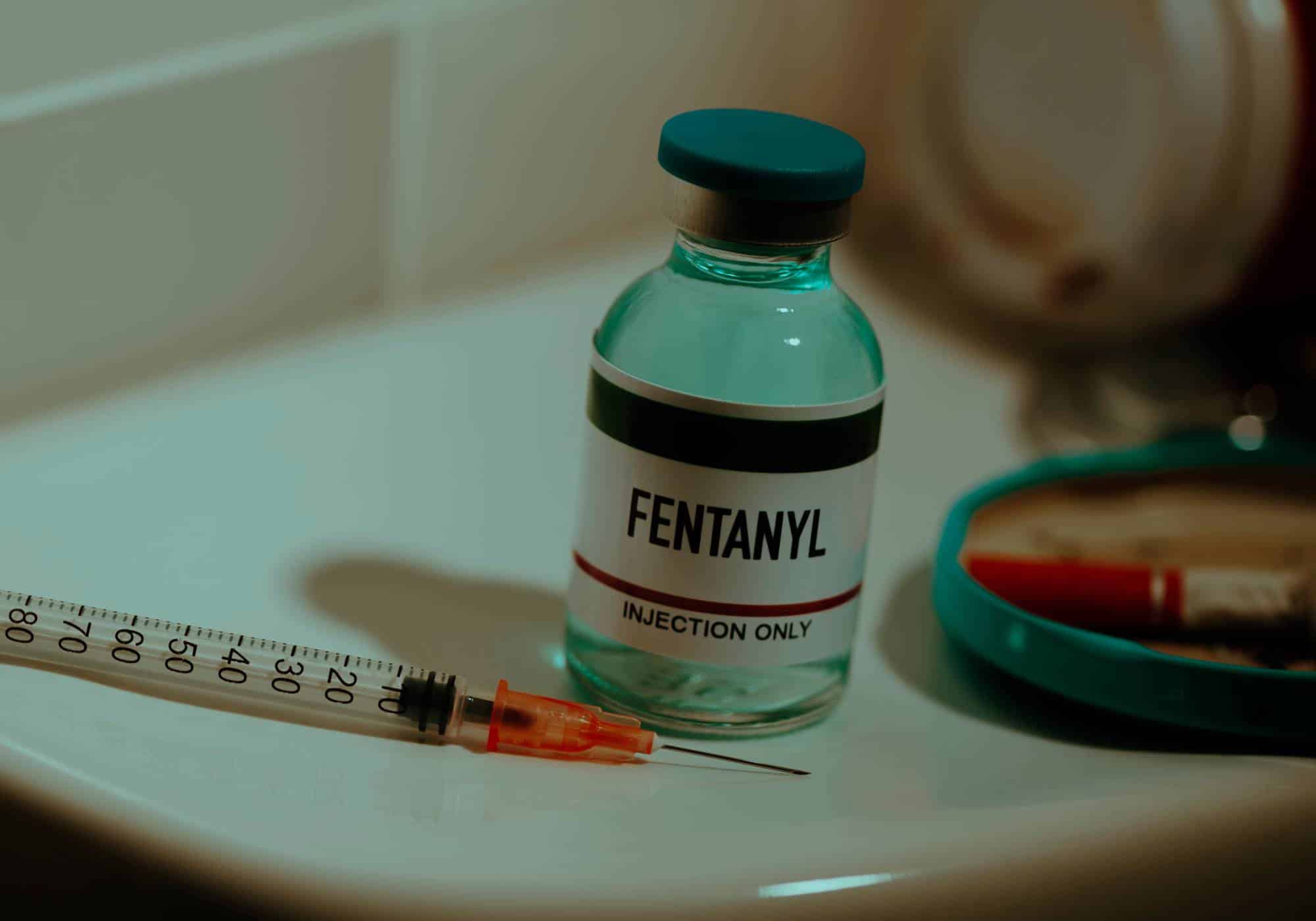
A crucial aspect of understanding what are quaaludes today is acknowledging the dangers of illegally manufactured versions. Since legal production ceased in 1985, any tablet sold as a Quaalude on the street is almost certainly a counterfeit. These illicitly produced pills often contain a dangerous mix of substances, including other depressants, synthetic opioids, or even fentanyl. This lack of consistency and quality control creates an extremely high risk of overdose, as a user has no way of knowing the actual dose or contents of the pill they are taking. What a user believes to be a classic quaalude drug could be a lethal combination of chemicals, making its use far more dangerous today than it was in its heyday. This misinformation and the proliferation of counterfeit drugs is a major public health concern, and it’s essential to be aware of this risk.
Quaalude Abuse and Quaalude Dependence
The abuse of quaaludes can lead to a powerful physical and psychological dependence, much like the dependence caused by barbiturates or benzodiazepines. As tolerance builds, individuals require increasingly higher doses to achieve the desired euphoric effects, which in turn increases the risk of overdose.
Abruptly discontinuing the use of methaqualone can trigger severe and uncomfortable withdrawal symptoms, which can be life-threatening and require medical supervision.
Withdrawal symptoms may include:
- Irritability and restlessness
- Nausea and vomiting
- Insomnia and tremors
- Headaches and muscle weakness
- Mental confusion
- Seizures
These severe symptoms underscore the addictive nature of what is the drug quaalude and highlight the need for professional help to safely manage the withdrawal process.

A Path to Outpatient Recovery at Hope Harbor Wellness
For those struggling with a dependence on sedative drugs or other substances, seeking professional help is a critical step toward healing. Hope Harbor Wellness offers a range of comprehensive, evidence-based treatment programs designed to meet individual needs. Our services include outpatient drug rehab in Atlanta and surrounding areas, providing a flexible yet structured environment for recovery. We understand that addiction can be a isolating struggle, and our compassionate team of professionals is dedicated to supporting you through every step of your journey. We provide a supportive community, therapeutic interventions, and personalized treatment plans to help you achieve lasting sobriety and reclaim a healthier, more fulfilling life.
If you or a loved one is struggling with substance use or mental health issues, help is available. The compassionate team at Hope Harbor Wellness is here to answer your questions and guide you toward a path of healing. Call us today at 770-573-9546 or fill out our online contact form to learn more about our outpatient programs and take the first step toward a healthier future.
Quaaludes Frequently Asked Questions
What are quaaludes?
Quaaludes are the brand name for methaqualone, a synthetic central nervous system depressant used as a sedative-hypnotic drug. They were widely used recreationally and medically in the 1970s before being banned.
What is the drug quaalude?
The drug quaalude, or methaqualone, is a powerful sedative-hypnotic that slows brain activity to induce a state of relaxation and drowsiness, similar to barbiturates and benzodiazepines.
What is in quaaludes?
The primary active ingredient in quaaludes is methaqualone. Other historical versions, like mandrax, sometimes included other compounds like diphenhydramine.
What are the quaalude effects?
Quaalude effects include drowsiness, dizziness, impaired motor function, reduced heart rate and breathing, and a feeling of euphoria. Higher doses can lead to a loss of muscle control, seizures, and death.
Are quaaludes still made?
No, the legal production and sale of quaaludes were banned in the United States in 1985. Any pills sold as quaaludes today are illicitly manufactured and may contain other dangerous substances.
What is mandrax methaqualone?
Mandrax was a brand name for a combination drug that contained methaqualone along with another compound, diphenhydramine. It was popular in other countries, particularly South Africa, as an alternative to the brand name Quaalude.
What does quaalude drug refer to?
Quaalude drug refers to the prescription medication methaqualone, a sedative-hypnotic that was widely used in the 1970s for its sedative and anxiolytic effects before being made a Schedule I controlled substance.