


If you or someone you love has been dealing with the challenges of substance use or mental health disorders, navigating the world of medications and potential side effects can feel overwhelming. Prednisone, a commonly prescribed corticosteroid, offers essential therapeutic benefits for various inflammatory and autoimmune conditions. However, some individuals worry about “prednisone addiction” and “prednisone abuse,” and may feel unsure about how to use this medication safely or recognize when its use becomes problematic.
This comprehensive guide will help you understand what prednisone is, how it works, and what sets it apart from substances known for their addictive properties. We will clarify the difference between physical dependence and addiction, discuss potential side effects and withdrawal symptoms, and provide insight into getting help if misuse or reliance on prednisone becomes an issue. By gaining this understanding, you’ll be better equipped to make informed decisions about your health and well-being, while working closely with healthcare professionals who can help you find the safest and most effective treatment path.
What Is Prednisone?
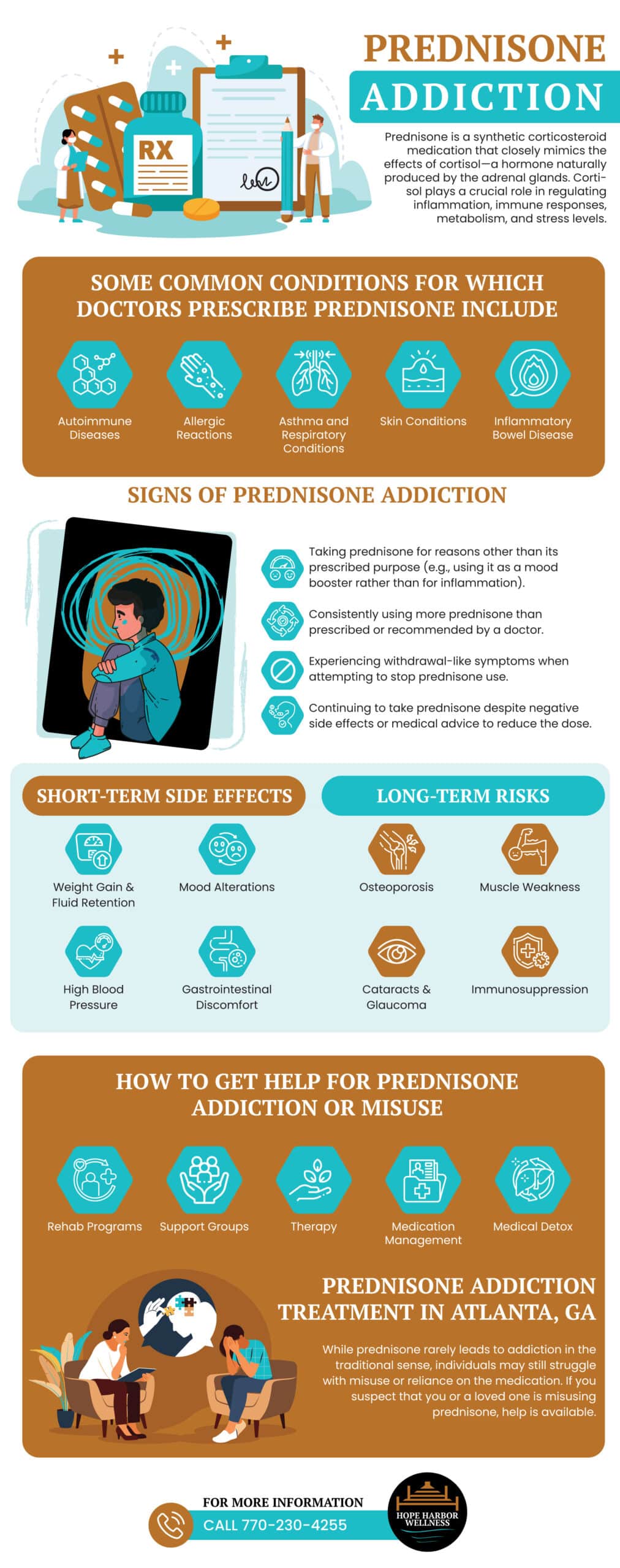
Prednisone is a synthetic corticosteroid medication that closely mimics the effects of cortisol—a hormone naturally produced by the adrenal glands. Cortisol plays a crucial role in regulating inflammation, immune responses, metabolism, and stress levels. When prescribed in medical settings, prednisone’s primary function is to reduce inflammation and suppress the immune system when it’s overactive or causing harm.
Some common conditions for which doctors prescribe prednisone include:
- Autoimmune Diseases: Conditions like rheumatoid arthritis, lupus, and multiple sclerosis often result from the immune system mistakenly attacking healthy tissues. Prednisone helps by calming the immune response, thereby reducing pain, swelling, and other inflammatory symptoms.
- Allergic Reactions: When severe allergic reactions don’t respond well to other medications, prednisone can alleviate symptoms by calming the immune system’s overreaction.
- Asthma and Respiratory Conditions: By reducing inflammation in the airways, prednisone can help individuals with asthma or chronic obstructive pulmonary disease (COPD) breathe more easily.
- Skin Conditions: Inflammatory skin conditions such as eczema, psoriasis, and dermatitis often improve with prednisone therapy, as the drug helps soothe redness and irritation.
- Inflammatory Bowel Disease: Prednisone can reduce inflammation in the digestive tract, providing relief for those dealing with conditions like Crohn’s disease and ulcerative colitis.
Because of its immune-modulating effects, prednisone is a valuable tool in modern medicine. However, it’s also associated with various side effects and must be prescribed carefully and monitored closely by healthcare professionals.
Is Prednisone Addictive?
The question “Is prednisone addictive?” is a common one, especially for individuals already concerned about substance misuse or who have seen firsthand the damage that addictive substances like opioids, nicotine, or alcohol can cause.
Unlike these substances, prednisone does not produce a euphoric “high” or lead to the cravings typically associated with addiction. Its primary impact is on the immune system and inflammation levels, rather than on the brain’s reward pathways. Because it doesn’t trigger the pleasure centers in the same way as other drugs of abuse, it isn’t considered addictive in the traditional sense.
However, there is a crucial distinction to be made: prednisone can cause physical dependence. This occurs because long-term prednisone use can lower the body’s natural cortisol production. When someone stops taking prednisone suddenly after a prolonged period, their body may struggle to produce adequate cortisol on its own—this condition is known as adrenal insufficiency.
In some cases, individuals may feel a sense of well-being or increased energy while on prednisone, especially if it’s treating a condition that previously caused discomfort or fatigue. This improvement might make someone reluctant to stop taking the medication, even after they no longer need it. Although this behavior might resemble addiction, it typically stems from fear of returning symptoms or discomfort rather than true addiction-related cravings.
Ultimately, prednisone misuse can occur, particularly if someone takes the drug without medical guidance, uses it in higher doses than prescribed, or continues it unnecessarily. While such misuse doesn’t align perfectly with addiction as understood with other substances, it’s still a serious concern that can lead to health complications.
What Is Prednisone Addiction?
Strictly speaking, prednisone addiction, as defined by compulsive use and cravings characteristic of substance use disorders, is not a recognized medical diagnosis. Substances typically deemed addictive work on the brain’s reward circuitry, driving ongoing use despite harmful consequences. Prednisone does not function in this way.
Nevertheless, some individuals may experience physical dependence when using prednisone over an extended period. Physical dependence means the body has adapted to the medication’s presence, and stopping it suddenly can lead to withdrawal symptoms.
It’s essential to differentiate between dependence and addiction. According to the National Institute on Drug Abuse (NIDA), hallmark features of addiction include:
- Inability to stop using the substance
- Difficulty fulfilling personal, work, or social obligations due to substance use
- Development of tolerance and withdrawal symptoms (though not all addictive substances present these effects)
Prednisone generally does not cause the compulsive behaviors, cravings, or inability to control use that define addiction. Still, if someone uses prednisone alongside other substances—like combining prednisone and alcohol—there may be an increased risk of problematic patterns that more closely resemble addiction.
How To Recognize the Signs of Prednisone Addiction
While true prednisone addiction is not standard, you may still suspect someone you care about is misusing this medication.
Some signs that something might be off include:
- Taking prednisone for reasons other than its prescribed purpose (e.g., using it as a mood booster rather than for inflammation).
- Consistently using more prednisone than prescribed or recommended by a doctor.
- Experiencing withdrawal-like symptoms when attempting to stop prednisone use.
- Continuing to take prednisone despite negative side effects or medical advice to reduce the dose.
If you notice these signs, it’s worth encouraging the person to speak with a healthcare professional about their prednisone use.

The Side Effects of Prednisone Abuse
Prednisone misuse or long-term use without proper medical supervision can lead to both mental and physical health issues.
Some possible side effects of Prednisone include:
- Weight Gain: Prednisone can increase appetite and cause fluid retention, leading to weight gain and swelling, especially in the face and midsection.
- Mood Swings: Irritability, anxiety, and even depression can occur during prednisone therapy. Some individuals may experience drastic changes in mood or emotional stability.
- Bone Loss (Osteoporosis): Prolonged prednisone use can weaken bones, increasing the risk of fractures and osteoporosis.
- High Blood Pressure: By causing fluid retention, prednisone may elevate blood pressure, potentially increasing the risk of heart disease and stroke.
- Insomnia: Prednisone can disrupt natural sleep cycles, causing difficulties falling asleep or staying asleep.
- Increased Infection Risk: As an immunosuppressant, prednisone can make it harder for the body to fight off infections.
- Cataracts and Glaucoma: Long-term use has been linked to eye problems, including cataracts and increased pressure in the eyes (glaucoma).
- Aggression or Behavioral Changes: In some cases, individuals on prednisone may display heightened anger or irritability.
While these side effects can be unsettling, working closely with a healthcare professional to manage prednisone therapy can help mitigate risks. Adjusting the dose, tapering slowly, or using additional medications can sometimes minimize these issues.
Is Prednisone a Steroid?
Prednisone is indeed a type of steroid, but not the anabolic steroids typically associated with performance enhancement and muscle building. Instead, it is a corticosteroid (specifically a glucocorticoid) that has catabolic effects. In other words, rather than building muscle, it often breaks down certain tissues and reduces inflammation.
Corticosteroids like prednisone are used for various inflammatory, allergic, and autoimmune conditions, including asthma, rheumatoid arthritis, lupus, multiple sclerosis, and severe allergic reactions. They help tame an overactive immune response and ease uncomfortable symptoms by controlling inflammation.
Prednisone can also assist in conditions like gout, ulcerative colitis, and even certain endocrine or blood disorders. While these steroids are powerful healing tools, they must be used responsibly due to their side effect profiles.
Short-Term Effects and Long-Term Risks of Prednisone
While prednisone can be a lifesaver for people dealing with difficult inflammatory or autoimmune conditions, it’s not without its downsides. Using this medication often involves weighing its benefits against its potential short- and long-term risks.
Short-Term Side Effects:
- Weight Gain & Fluid Retention: You may notice that you feel puffier, especially in the face and abdomen.
- Mood Alterations: Anxiety, irritability, and mood swings can appear early in treatment.
- High Blood Pressure: Increased fluid retention can lead to elevated blood pressure.
- Gastrointestinal Discomfort: Nausea, stomach pain, and a higher risk of ulcers might occur.
- Insomnia: Some people find it harder to sleep well after starting prednisone.
Long-Term Risks:
- Osteoporosis: Chronic prednisone use can weaken bones, raising the chances of fractures.
- Muscle Weakness: Ongoing therapy may cause muscle wasting, making it harder to maintain an active lifestyle.
- Cataracts & Glaucoma: Eye health can be compromised over time, requiring regular eye exams.
- Immunosuppression: Suppressed immunity can make individuals more vulnerable to infections.
- Adrenal Suppression: The body may become reliant on prednisone, complicating attempts to discontinue the medication.
Understanding these risks underscores the importance of working closely with a healthcare provider. They will help determine the lowest effective dose, shortest possible treatment duration, and necessary monitoring to minimize complications.
Prednisone Withdrawal Symptoms
Although “prednisone addiction” isn’t a standard diagnosis, withdrawal symptoms can still occur when someone stops taking this medication too quickly. This is primarily due to adrenal suppression—after long-term use, the body may struggle to produce enough cortisol when prednisone is suddenly discontinued.
Common prednisone withdrawal symptoms may include:
- Fatigue and low energy
- Muscle weakness
- Joint pain and stiffness
- Nausea or vomiting
- Loss of appetite and weight changes
- Low blood pressure leading to dizziness or fainting
- Mood swings, irritability, anxiety, or depression
- Changes in overall well-being
These withdrawal symptoms can be uncomfortable but are generally not life-threatening if managed properly. It’s crucial to talk to a healthcare professional before stopping prednisone to ensure a safe, gradual tapering plan.
Can You Die From Prednisone Withdrawal?
It’s rare for prednisone withdrawal to be life-threatening. However, abruptly stopping after long-term use can lead to adrenal insufficiency, which may cause severe complications if untreated. Seeking medical advice when discontinuing prednisone is essential to minimize risks and maintain safety.
Prednisone Overdose
While prednisone isn’t commonly associated with euphoric highs or cravings, an overdose can still occur if someone takes too much—either accidentally or intentionally.
Potential prednisone overdose symptoms include:
- Severe mood changes (psychosis, depression, anxiety)
- Extreme fatigue or drowsiness
- Muscle weakness
- Irregular heartbeat or increased appetite
- Gastrointestinal distress (nausea, vomiting)
- Skin changes like itching, burning, dryness
- Menstrual irregularities
- Increased susceptibility to infections
- Seizures (in rare, severe cases)
If you suspect an overdose, immediately contact emergency medical services. In the United States, you can call the Poison Control helpline at 1-800-222-1222 or call 911 for urgent help.

How To Get Help for Prednisone Addiction or Misuse
If you’re concerned about prednisone misuse or dependency, there are several ways to seek guidance and support:
- Rehab Programs: These structured programs offer comprehensive treatment for substance misuse. While prednisone may not be as habit-forming as opioids or alcohol, rehab programs can still help address psychological dependence, providing therapies and tools to maintain health and well-being.
- Support Groups: Peer-led support groups create a safe space to share personal experiences and learn coping strategies. Meeting others who understand your struggles can be motivating and encouraging.
- Therapy: Professional therapists can help uncover underlying emotional or psychological issues that contribute to medication misuse. Therapy sessions—individual, group, or family—provide valuable insight and teach healthy coping mechanisms.
- Medication Management: In some cases, adjusting medications or adding supportive treatments can help ease any discomfort associated with prednisone discontinuation. A doctor can help guide these changes safely.
- Medical Detox: For those who have used prednisone for a long time, a medically supervised detox may help ease withdrawal symptoms and ensure a safer transition off the drug.
What Happens During Detox From Prednisone Misuse
Detox is the process of allowing the body to adjust to functioning without a substance. In the case of prednisone, detox often involves gradually reducing the dose rather than stopping abruptly. This approach minimizes withdrawal symptoms and helps your adrenal glands resume normal cortisol production.
Common side effects during prednisone detox include:
- Muscle aches and pains due to hormonal readjustment.
- Fatigue as your body rebalances energy production.
- Nausea and vomiting as the digestive system adapts.
- Changes in appetite and possible weight loss.
- General discomfort as your body finds its new equilibrium.
Although detox can be uncomfortable, these symptoms are temporary. With proper medical supervision and support, most individuals see improvements within a week or two, moving closer to a life free from unnecessary medication reliance.
Addiction vs. Physical Dependence
When considering “Is prednisone addictive?” it’s crucial to differentiate between addiction and physical dependence:
- Addiction: Involves compulsive drug-seeking behavior, cravings, and continued use despite harmful consequences. Typically associated with substances that produce a “high.”
- Physical Dependence: Occurs when the body adapts to a substance, requiring it for normal functioning. Stopping the drug leads to withdrawal symptoms, but not necessarily compulsive drug-seeking or cravings for euphoria.
Prednisone doesn’t produce the intense pleasure response in the brain that addictive substances do. It can, however, cause physical dependence, making it essential to taper off the drug under medical guidance rather than stopping suddenly.
Prednisone Addiction Treatment in Atlanta, GA
While prednisone rarely leads to addiction in the traditional sense, individuals may still struggle with misuse or reliance on the medication. If you suspect that you or a loved one is misusing prednisone, help is available.
Consider reaching out to a trusted medical professional, therapist, or counselor. They can assess your situation, determine whether you need treatment, and guide you on the best approach. This might involve close collaboration with healthcare providers to safely taper off prednisone, explore non-steroidal options for managing your condition, or access supportive therapies that address the emotional aspects of medication misuse.
If you feel this describes you, contact Hope Harbor Wellness at 770-573-9546 or fill out our online contact form today. Their team of compassionate professionals can provide guidance, resources, and support to help you understand your relationship with prednisone and, if necessary, develop a personalized plan to regain balance and move forward in a healthier, more fulfilling life.