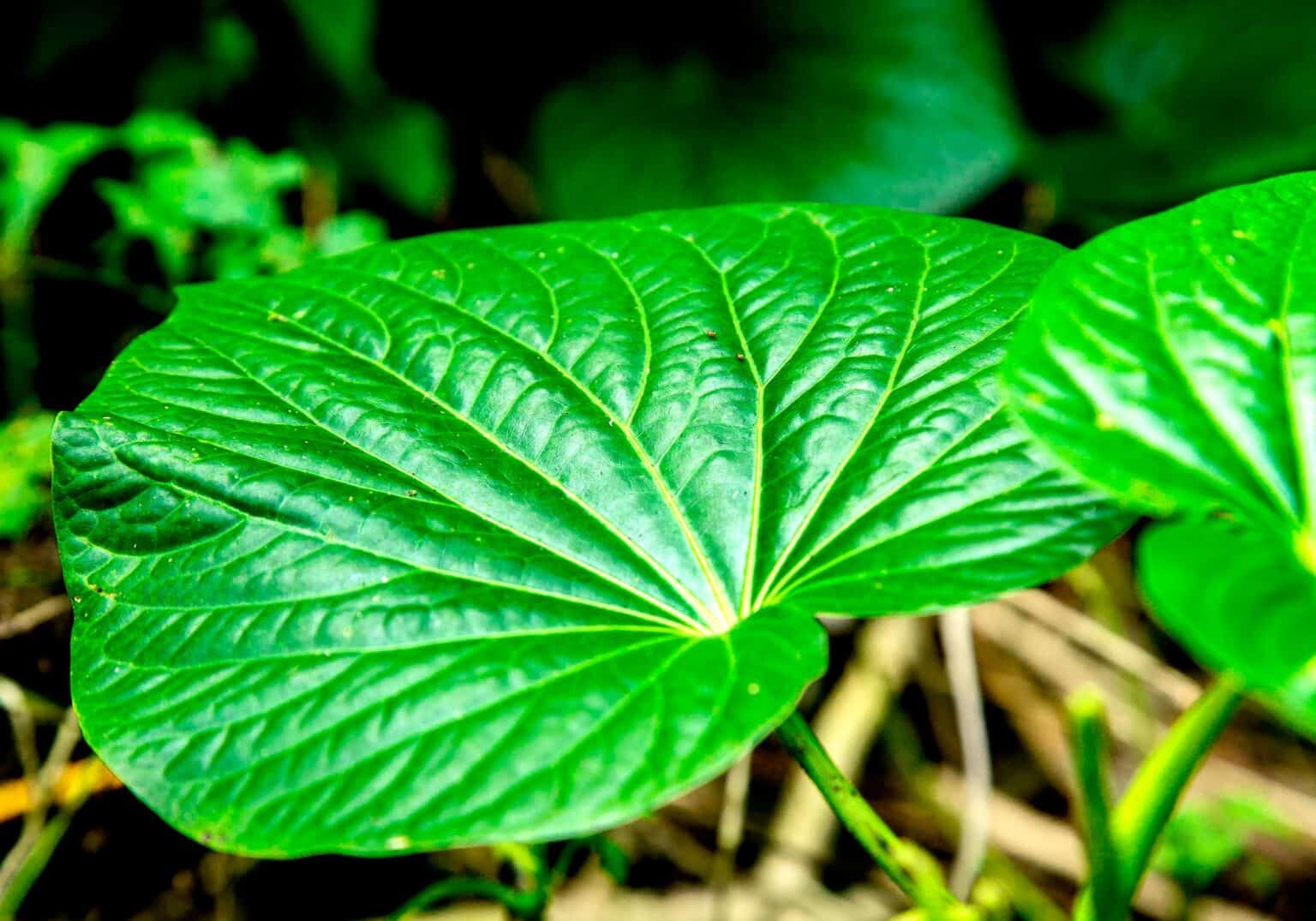

Kava, Also Called Kava-Kava, Is an Herbal Substance Made from the Root of Piper Methysticum
Kava originates from the western Pacific Islands, where locals have consumed it in cultural ceremonies and as a natural remedy for centuries. Although there are multiple ways to take kava, many people prefer to brew it into a beverage. Some find that it soothes the mind or eases worries, making it popular for stress relief. Yet, despite its legal status, concerns linger about its safety and whether misuse can lead to kava dependency. At Hope Harbor Wellness in Atlanta, GA, we believe knowledge is essential for safer decision-making. Below, we dive into the properties of kava, including how long does kava stay in your system, potential side effects, and how to seek support if you suspect misuse. We also highlight how outpatient addiction treatment in Atlanta can help if you need professional assistance.
Uses of Kava
People often consume kava for its soothing or slightly sedative effects. While some use it for mild anxiety, others seek it to help with muscle tension, restlessness, or depression. Still, the real medical benefits are up for debate, and more research is necessary.
The common reasons for kava use include:
- Anxiety: Many say kava’s relaxing properties help them cope with everyday stress or anxious moments.
- Fatigue: A small dose may promote a sense of calm that indirectly combats nervous exhaustion.
- Muscle Tension: Some rely on kava’s muscle-relaxant qualities to ease sore or tight areas.
- Depression: Kava might supply a short-term mood boost, although it’s no substitute for professional mental health care.
- Insomnia: Because it can relax the mind, kava is sometimes taken before bed to encourage rest.
- Seizure Prevention: Though less common, a few cultures trust it for managing convulsions.
- Social Phobia: Mild sedation might help certain users feel more comfortable in gatherings.
- Inflammation and Chronic Pain: Some claim kava’s anti-inflammatory properties reduce discomfort, though evidence is scarce.
- Cancer Symptom Relief: A small number of people have tried it for nausea or stress during treatment, but clinical proof is lacking.
The debate surrounding kava’s true benefits is still ongoing. While many see it as a herbal remedy, critics worry about the potential for kava abuse or organ damage. Always consult a healthcare provider before incorporating it into your wellness routine, especially if you take other medications.
How Is Kava Consumed?
Traditionally, kava’s root is crushed and steeped in water to produce a tea-like drink.
But modern methods offer alternative forms:
-
Powder Form: Mix with tea or a favorite beverage for a quick approach.
-
Liquid Tincture: Placed under the tongue or into a drink, delivering kava’s active components rapidly.
-
Capsules or Supplements: Convenient but sometimes yield less potent effects.
Many retailers offer ready-made “kava near me” selections, like bottled drinks, concentrated liquids, or flavored mixes. People who want the authentic approach can buy ground root and follow a more ritualistic preparation—grinding, straining, then steeping. Regardless of method, the experience and potency differ based on how the kava is sourced, processed, and consumed.
Kava Effects and Abuse
Kava’s effects largely depend on dose, quality, and an individual’s tolerance. Traditional usage can vary from 60 milligrams to upwards of 8,000 milligrams in some cultures. Commercial packages might recommend starting with a low amount, then raising it gradually if needed. However, when users seek quicker or deeper sensations by exceeding recommended doses, that signals potential misuse.
Typical Kava Effects
- Calming or Relaxing Sensations: Mild sedation can help ease tension or anxiety.
- Euphoria: Some get a temporary mood lift or find it easier to socialize.
- Stress Relief: The quieting effect might dull racing thoughts or worries.
- Drowsiness: At higher levels, sedation becomes more pronounced, sometimes causing people to nod off.
Common Side Effects
- Headaches: Possibly from dehydration or excessive sedation.
- Nausea, Vomiting, or Gastro Problems: Kava can irritate the stomach.
- Dizziness: Overdoing it sometimes leads to a sense of imbalance.
- Intoxication: Operating machinery or driving can be risky if kava impairs judgment or reaction times.
“Abuse” typically means using kava excessively or ignoring suggested guidelines. People might wrongly believe more is better, leading to bigger hits of sedation that carry real health risks.
Long-Term Dangers of Kava Use
Though many turn to kava for short-term calm, serious questions remain about safety. Most alarming is liver failure. Habitual or high-volume consumption has been linked to cirrhosis, hepatitis, and severe hepatic injuries. Early liver damage can reveal itself through fatigue, yellowish skin (jaundice), and dark urine.
Kava can harm the liver because it ties up specific enzymes. These same enzymes are vital for breaking down numerous medications. If they’re blocked, toxins can accumulate. Some researchers suspect combining kava with alcohol or other substances might worsen the toxicity.
Beyond liver worries, potential long-term consequences include:
- Kidney Strain
- Shortness of Breath
- Hallucinations
- Dermopathy (Skin Problems)
- Accidents from Intoxication
If you have any liver condition, approach kava carefully or avoid it altogether unless a doctor okays it.
How Does Kava Affect People?
Kavalactones are behind kava’s sedative and mood-shifting effects. Among them, six stand out: kavain, dihydrokavain, methysticin, dihydromethysticin, yangonin, and desmethoxyyangonin. Each influences the body a bit differently, but collectively, they can cause sedation, reduce anxiety, or spark mild euphoria.
Factors That Influence Kava’s Impact
- Weight and Gender: Heavier individuals or men might not feel the same potency as lighter individuals or women.
- Timing of Food: Taking kava on an empty stomach may amplify effects, while a full meal can slow absorption.
- Tolerance: Frequent users may need larger amounts to achieve the desired feeling.
- Preparation and Quality: The root’s origin, plus any added ingredients, can change how strong it is.
Remember: Some kava plants mainly use roots, while others mix in leaves or stems, which can shift the balance of kavalactones. Quality can vary widely.

Kava as an Alcohol Alternative
Kava’s popularity soared among people attempting to ease off alcohol. Because kava can induce relaxation without the intense intoxication or hangover from alcohol, it appeals as a “healthier” option. But relying on kava to replicate a “buzz” can signal deeper issues. Substituting kava for alcohol suggests someone might be looking for any substance that numbs or disinhibits them. Also, mixing the two can be particularly rough on the liver and produce other negative outcomes.
Anyone exploring kava for this reason should assess whether they’re addressing the root cause—stress, anxiety, or social pressures—or just swapping one substance for another. If you sense a bigger problem, it may be time to contact a professional.
How Long Does Kava Stay in Your System?
While 24 hours is a general estimate for how long kava’s main byproducts remain in the body, everyone’s timeframe differs. Some people might break it down more rapidly. Others, with less efficient liver function or a bigger dose, might test positive for kavalactones (in a specialized test) a bit longer. Kava is tricky to detect with standard means, so measuring precisely how long it stays can be complicated.
Kava is derived from Piper methysticum’s stump or root. It generally calms the body and mind, but it isn’t classified as a central nervous system depressant like alcohol. Its sedation leans more toward relaxation than full sedation.
Its presence in the body typically:
- Effects Peak: Within about 2 hours of ingestion.
- Duration of Effects: Usually 2 to 4 hours of noticeable sedation or relaxation.
- Metabolism: Kava breaks down mainly in the liver, and leftover components can remain for about 24 hours.
- Detection: Some advanced tests might find kavalactones in blood or urine for a few days, but standard drug screens don’t typically look for kava.
Does Kava Show Up in a Drug Test?
Standard drug tests for substances like opioids, cannabis, or amphetamines rarely pick up kava. Kavalactones aren’t on the usual panels. However, specialized testing might detect them, but that’s uncommon. So, in most ordinary scenarios, the short answer to “Will kava show up on a drug test?” is no.
How Kava Is Metabolized in the Body
Absorption begins soon after you swallow kava, peaking around one to two hours. But this window shifts due to dosage size, frequency of use, and personal metabolism. A fast metabolizer might experience a briefer, less intense period of sedation, whereas a slower one might notice lingering effects or feel a stronger hit.
Potential Influences
- Empty Stomach: Speeds absorption and intensifies sedation.
- Frequency of Use: Habitual users sometimes find it stays longer or hits differently as they develop partial tolerance.
Kava Abuse and Addiction
Kava is less physically addictive than many substances, but some individuals form a psychological dependence. They might rely on it to unwind each day or “take the edge off,” making them uneasy or irritable when it’s unavailable. Although kava’s withdrawal rarely matches alcohol or opiate withdrawal in intensity, it can still produce restlessness, fatigue, or mild anxiety.
Signs of Kava Dependency
- Frequent Mood Swings
- Scaly or Dry Skin
- General Apathy or Disinterest
- Respiratory Complaints
- Unexpected Shortness of Breath
- Onset of Infections
Long-term or heavy use also raises the potential for liver strain or other organ problems. If you notice these issues or feel you can’t stop using kava, it’s essential to consider professional advice.
Seeking Help for Kava Addiction
Because kava is legal throughout much of the U.S. and widely marketed for stress relief or anxiety, some assume it’s harmless. However, combining it with certain prescription medicines can create dangerous interactions, and heavy use can put undue pressure on the liver. If you see signs of trouble—such as constant use, mild withdrawal, or physical symptoms like nausea or scaly skin—help is available.
While a formal medical detox might not be necessary for most kava users, you might still benefit from addressing emotional or psychological factors that led to frequent kava consumption. If prolonged use harmed your liver, you may need extra care or adjustments to your routine. Look for specialists experienced in treating mild substance dependencies, or consider reaching out to a mental health professional. At times, addressing core stress or emotional problems reduces the urge to rely on kava in the first place.
If you’re worried about kava misuse or suspect a deeper issue, reach out to Hope Harbor Wellness in Atlanta, GA today at 770-573-9546 or fill out our online contact form. Compassionate care and personalized strategies can help you break unhealthy habits and move toward a healthier, more balanced life. Don’t hesitate—take the first step and discover a renewed sense of well-being today.
Kava Addiction FAQs
Is kava addictive, or can you become dependent on it from regular use?
Kava is not chemically addictive like alcohol, but psychological dependence can form when used daily for anxiety relief.
What are the signs of kava addiction or overuse to watch out for?
Needing larger amounts for relaxation, neglecting responsibilities, yellowing skin (from kavalactone buildup), and stomach discomfort suggest problematic use.
Can you experience withdrawal symptoms after stopping heavy kava use?
Most users report only mild rebound anxiety or insomnia lasting a few days; severe withdrawals are rare.
What happens if someone drinks kava every day for a long time – are there health risks?
Chronic heavy intake has been linked to liver toxicity, scaly skin rash (kava dermopathy), and drowsiness impairing work performance.
How can someone break a kava addiction or reduce their dependency on kava drinks?
Gradually taper consumption, substitute non-sedating stress relievers (exercise, CBT), and monitor liver enzymes with a physician.
Is kava a safe alternative to alcohol in terms of addiction risk, or can it be similarly habit-forming?
Risk is lower than alcohol’s, but daily high-dose use can still foster reliance. Moderation and medical guidance keep kava safer.