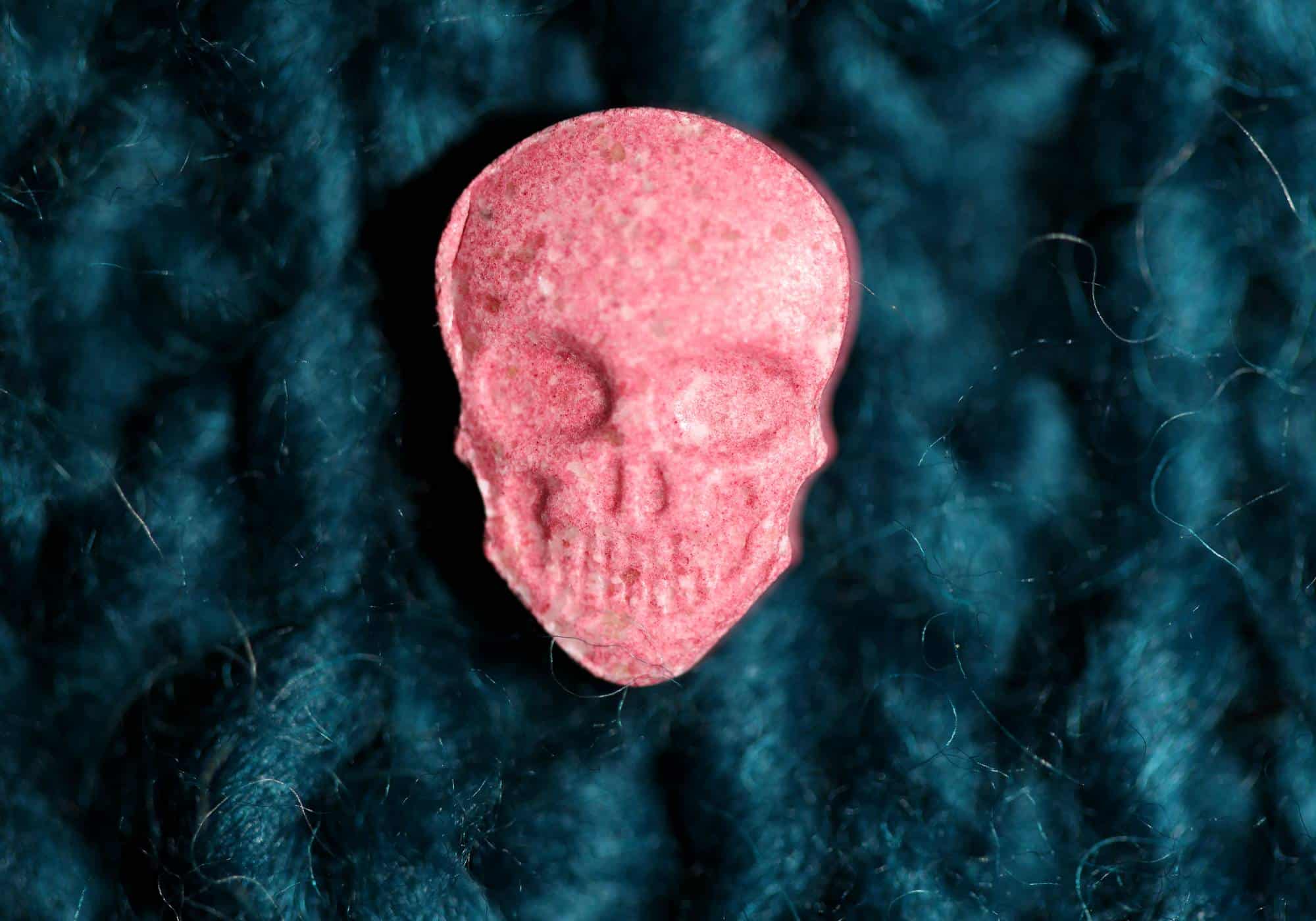


Xanax is a common name for the medication alprazolam, a drug that many people are prescribed for a variety of conditions. When you’re dealing with a substance that affects your mind and body so profoundly, it’s natural to have questions, and one of the most common is, is Xanax an opioid? The short answer is no, Xanax is not an opioid. It belongs to a completely different class of drugs known as benzodiazepines.
Both benzodiazepines and opioids are powerful substances that act as central nervous system depressants. This means they slow down brain function and nerve activity. While their effects can feel similar in some ways, they work on different systems within the body, and this distinction is incredibly important, especially when considering the risks of misuse and addiction. Both classes of drugs are highly addictive, and the dangers of combining them can be fatal. For anyone struggling with a reliance on Xanax, a life free from the substance is absolutely possible through professional, compassionate care.
About Benzodiazepines
According to the National Institute on Drug Abuse, Xanax (alprazolam) is a benzodiazepine medication. These are also known as tranquilizers and are designed to produce sedation, relieve anxiety, reduce muscle spasms, and prevent seizures. Because anxiety-related disorders can send the brain and body into overdrive, benzodiazepines like Xanax are often prescribed as a helpful tool to calm the mind and body and alleviate these overwhelming symptoms.
The way Xanax works is by enhancing the effects of a neurotransmitter in the brain called gamma-aminobutyric acid, or GABA. Think of GABA as the brain’s natural brake pedal. When you’re feeling anxious, your brain’s activity is in overdrive, and GABA helps to slow it down. Xanax amplifies this effect, making the brain’s brake pedal work much more powerfully. This calming effect can be incredibly fast-acting, which is why it’s so helpful for panic attacks but also why it’s so addictive.
This rapid tranquilizing effect can also trigger the brain’s reward system, producing a euphoric high. When this system is activated, the brain is tricked into thinking that whatever is happening is good and should be repeated. This is how misuse begins. As a person continues to use, their body develops a tolerance, meaning they need more of the drug to feel the same effect. This leads to dependency and, ultimately, addiction.
About Opioids
While a person might wonder, is Xanax considered an opiate?, the answer is a firm no. Opioids are in a completely separate drug class. These medications are prescribed specifically for pain relief. They work by binding to opioid receptors located throughout the brain, spinal cord, and other organs. When they bind to these receptors, they block the pain signals that are sent from the body to the brain, essentially tricking the brain into not feeling pain. Like benzodiazepines, they also depress the central nervous system, which can slow breathing and heart rate.
While they both depress the nervous system, their specific effects and side effects are different. Opioids can produce some of the same side effects as benzodiazepines, such as slowed movements and slurred speech. However, opioids are prescribed for pain, while benzodiazepines are prescribed for anxiety. According to MedicineNet, some of the effects that Xanax produces that opioids do not include lightheadedness, confusion, memory problems, balance problems, weight gain, changes in appetite, decreased sex drive, and fatigue. Alternatively, some of the effects that opioids produce that are not associated with benzodiazepines include dizziness, itching, abdominal pain, and headaches.
The Deadly Combination: Xanax and Opioids
While the answer to “are Xanax opioids?” is no, the distinction becomes critically important when you consider what happens when these two drugs are used together. This combination is one of the deadliest forms of drug misuse. Since both drug classes are central nervous system depressants, taking them together intensifies their individual effects exponentially.
Imagine putting a foot on the brake pedal of your car. That’s the effect of a single depressant. Now imagine putting two feet on the brake pedal at once. That’s what happens when you combine Xanax and an opioid. The combined effect slows down the nervous system so severely that it can lead to a condition called respiratory depression, where breathing slows down to dangerous levels or stops altogether.
In 2015, the National Institute on Drug Abuse reported that 23 percent of people who died of an opioid overdose also tested positive for benzodiazepines. This staggering statistic highlights the extreme danger of this combination. A person may not intend to overdose, but the synergistic effect of the two drugs can be fatal, even at doses that would normally be considered safe on their own. The desire to intensify a high or the common practice of using Xanax to “come down” from opioid use is a deadly gamble.
Withdrawal from Xanax
The dangers of Xanax extend far beyond the risk of overdose. For anyone who has developed a dependency on the drug, the withdrawal process can be extremely difficult and dangerous. The body, which has grown used to the constant presence of Xanax to slow down its nervous system, goes into a state of severe over-activity when the drug is stopped.
This is why anyone who is prescribed Xanax needs to be slowly tapered off of it, even if they have been taking it exactly as prescribed.
Stopping Xanax suddenly, or “cold turkey,” can produce a range of debilitating withdrawal symptoms, including:
- Headaches
- Nausea and Vomiting
- Insomnia
- Dizziness and Fatigue
- Sweating
- Muscle spasms and tremors
- Severe anxiety, often worse than before the drug was used (known as “rebound anxiety”)
- Seizures
Withdrawal from Xanax can be life-threatening due to the risk of grand mal seizures. Depending on the length and severity of the Xanax use, withdrawal symptoms can begin anywhere from a few hours to a couple of days after the last dose and can persist for weeks. In more severe cases, a prolonged withdrawal syndrome can remain for months or even years. This is why it is extremely important to detox from Xanax safely and under medical supervision.
Medical Detox
Due to the serious nature of Xanax withdrawal, it is critical to go through a medical detox program. It is extremely dangerous to try to detox from benzodiazepines on your own. Once the brain is wired to think that the drug is required for survival, it can take a period of time for the body to readjust back to its normal state.
During this adjustment period, the withdrawal symptoms can be extremely uncomfortable and debilitating, and cravings for the drug are at an all-time high. It is during this time that relapse is most likely to occur, so it is crucial that this period is managed in a secure and professional environment.
Medical detox will help ensure the person’s comfort and safety during this adjustment period. The process involves slowly tapering them off the drug under the watchful eye of a medical team. This method is far less of a shock to the system, and withdrawal symptoms will be kept to a minimum. By managing the physical dependency, the person can then enter behavioral therapy more quickly and begin the deep work needed to live a sober life.
Finding Alternative Ways to Manage Anxiety
A common reason people start using Xanax is to manage severe anxiety or panic disorders. The idea of living without the drug can feel terrifying, especially if it feels like the only thing that works. However, it’s important to understand that there are highly effective, non-addictive ways to treat anxiety disorders. At Hope Harbor Wellness, we believe that living a life free of Xanax is not only possible but also essential for true, long-term well-being.
Our treatment approach for anxiety and co-occurring substance use disorders is comprehensive and aims to treat the whole person, not just the symptoms. We use evidence-based therapies that teach you how to manage your anxiety without relying on medication.
These include:
- Cognitive Behavioral Therapy (CBT): This therapy helps you identify and change negative thought patterns that contribute to anxiety. You’ll learn to recognize triggers and develop healthy coping mechanisms.
- Dialectical Behavior Therapy (DBT): This is another powerful tool that teaches you skills for mindfulness, emotional regulation, distress tolerance, and interpersonal effectiveness.
- Holistic Therapies: We also incorporate holistic therapies such as meditation, yoga, and mindfulness practices that can help calm the nervous system naturally and reduce anxiety.
By learning to manage your anxiety in these ways, you can regain a sense of control over your life and your emotions, rather than relying on a substance that can be incredibly dangerous and addictive.
Understanding the Risks of Xanax Misuse
For anyone wondering, is Xanax an opioid drug?, the more important question to ask is, “Is my use of Xanax becoming a problem?” The path from prescribed use to addiction can be subtle, and it’s easy to rationalize the signs. Recognizing these risks is the first step toward seeking help.
- Loss of Control: You find yourself using more Xanax than you originally intended or using it more frequently. You try to cut down or stop but are unable to.
- Neglecting Responsibilities: Your use of the drug is causing you to miss work, school, or other important commitments. You may be neglecting your family or personal hygiene.
- Relationship Problems: Your use of Xanax is causing conflicts with loved ones. You may withdraw from social activities and friends.
- Increased Tolerance: You need to take a higher dose of Xanax to get the same calming effect you once did.
- Withdrawal Symptoms: You experience uncomfortable or dangerous physical and psychological symptoms when you try to stop using.
- Continuing Use Despite Negative Consequences: You continue to use the drug even though it is causing problems in your life, such as health issues, legal trouble, or financial strain.
What Class is Xanax and How is It Treated?
To be clear, Xanax is not an opiate drug. It belongs to the benzodiazepine class. This distinction is critical for understanding why professional treatment is so important. A drug rehab in Atlanta, GA, like Hope Harbor Wellness, understands the specific challenges of benzodiazepine addiction.
Our comprehensive treatment model begins with a medically supervised detox to ensure your safety and comfort during the withdrawal process. Following detox, we transition you into our residential treatment program, where you can focus on healing in a supportive, serene environment. We will work with you to develop a personalized treatment plan that addresses both the addiction and any co-occurring mental health disorders, such as anxiety or depression. Our team of compassionate professionals will help you to build the skills you need to manage your emotions and live a happy, productive, and sober life.
Addiction Treatment in Atlanta, GA at Hope Harbor Wellness
When a person asks, “is Xanax an opioid drug?”, they are often looking for information about the risks they face. While the answer is no, it’s clear that Xanax is an extremely dangerous and addictive drug, especially for those with co-occurring mental health needs. At Hope Harbor Wellness, we understand the complexities of addiction and mental health. We believe in providing a compassionate path to recovery. If you or a loved one is struggling, we are here to help. Contact us today at 770-573-9546 or fill out our online contact form to learn more about our comprehensive treatment plans.
Is Xanax an Opioid Frequently Asked Questions
Is Xanax an opioid?
No, Xanax is not an opioid. It is a benzodiazepine, which is a different class of drug. While both are central nervous system depressants, they work on different systems within the brain.
What class is Xanax?
Xanax is a benzodiazepine medication. This class of drugs is commonly referred to as tranquilizers.
What is the difference between a benzodiazepine and an opioid?
The main difference lies in how they work in the body and what they are prescribed for. Benzodiazepines enhance the effects of GABA to treat anxiety and seizures, while opioids bind to opioid receptors to block pain signals.
Why are Xanax and opioids so dangerous together?
Combining Xanax and opioids is extremely dangerous because both drugs are central nervous system depressants. This can lead to a condition called respiratory depression, where a person’s breathing slows down to a fatal level.
Can a person overdose on Xanax?
Yes, a person can overdose on Xanax, especially when it is combined with alcohol or other central nervous system depressants. Symptoms of a Xanax overdose include extreme drowsiness, confusion, slurred speech, and loss of coordination.
Can I go through Xanax withdrawal on my own?
No, it is extremely dangerous to go through Xanax withdrawal on your own due to the risk of life-threatening seizures. Medical supervision is necessary to ensure a safe detox process.
How is a Xanax addiction treated?
A Xanax addiction is typically treated with a medically supervised detox followed by behavioral therapy, such as CBT and DBT, and counseling. The treatment plan is often personalized to address both the addiction and any co-occurring mental health disorders.