
In modern language, new jargon and slang terms frequently emerge, often to describe a practice or subculture that exists on the fringes of society. Among these phrases is “hot rail,” a term that, unfortunately, does not refer to a new trend or technology. Instead, it’s a phrase deeply rooted in drug culture, signifying the act of inhaling vaporized drugs, most commonly methamphetamine, through a heated glass tube. The emergence and popularity of this method have made it a significant concern for experts in addiction and recovery, especially those involved in the meth detox process. This guide will demystify this term and delve into its serious implications for public health.
The term itself, and related phrases like “hot rails” and “hotrail,” represent a concerning trend in drug use, particularly among those seeking a rapid and intense high. This method has grown in use because of its perceived efficiency, but it comes with a myriad of profound and often overlooked health risks. By understanding what a hot rail is and the mechanics behind it, we can better comprehend the dangers and the crucial need for effective interventions.
Everything You Need to Know About Hot Rail
The term hot rail, though seemingly modern, has ties stretching back decades within the drug subculture. So, what is a hot railing exactly? It is a method of drug consumption that has gained traction among some users due to the rapid and intense high it provides. The process involves using a heated glass tube to vaporize a powdered drug, which is then inhaled. This delivery method allows the substance to reach the brain almost instantaneously, creating a powerful and immediate effect that many users find highly alluring. However, this immediacy comes at a significant cost, as the technique is fraught with profound risks and health complications. The prevalence of terms like hot railing meth and hot rail coke highlights how this dangerous practice is not limited to a single substance, but has become a recognized method across different forms of drug misuse.
The history of this method is intertwined with a user’s search for a more potent and faster high. While other methods like snorting and smoking have long existed, the hot rail method is often chosen for its ability to produce a more intense “rush.” The superheated glass tube is often a simple, homemade apparatus, and the accessibility of these materials adds to the method’s prevalence. This practice is a clear indicator of a person’s desire for the most powerful effects, often signaling a deeper level of addiction and a willingness to take on extreme risks for a brief period of euphoria. The search for this intense feeling is what makes understanding a hot rail and its associated dangers so vital.
How Does it Work?
Delving into the mechanics behind the hot rail, it’s a method both simple in design and dangerous in nature. Traditionally linked with methamphetamine and cocaine consumption, this is a favored approach for those seeking an immediate and powerful high.
This process involves:
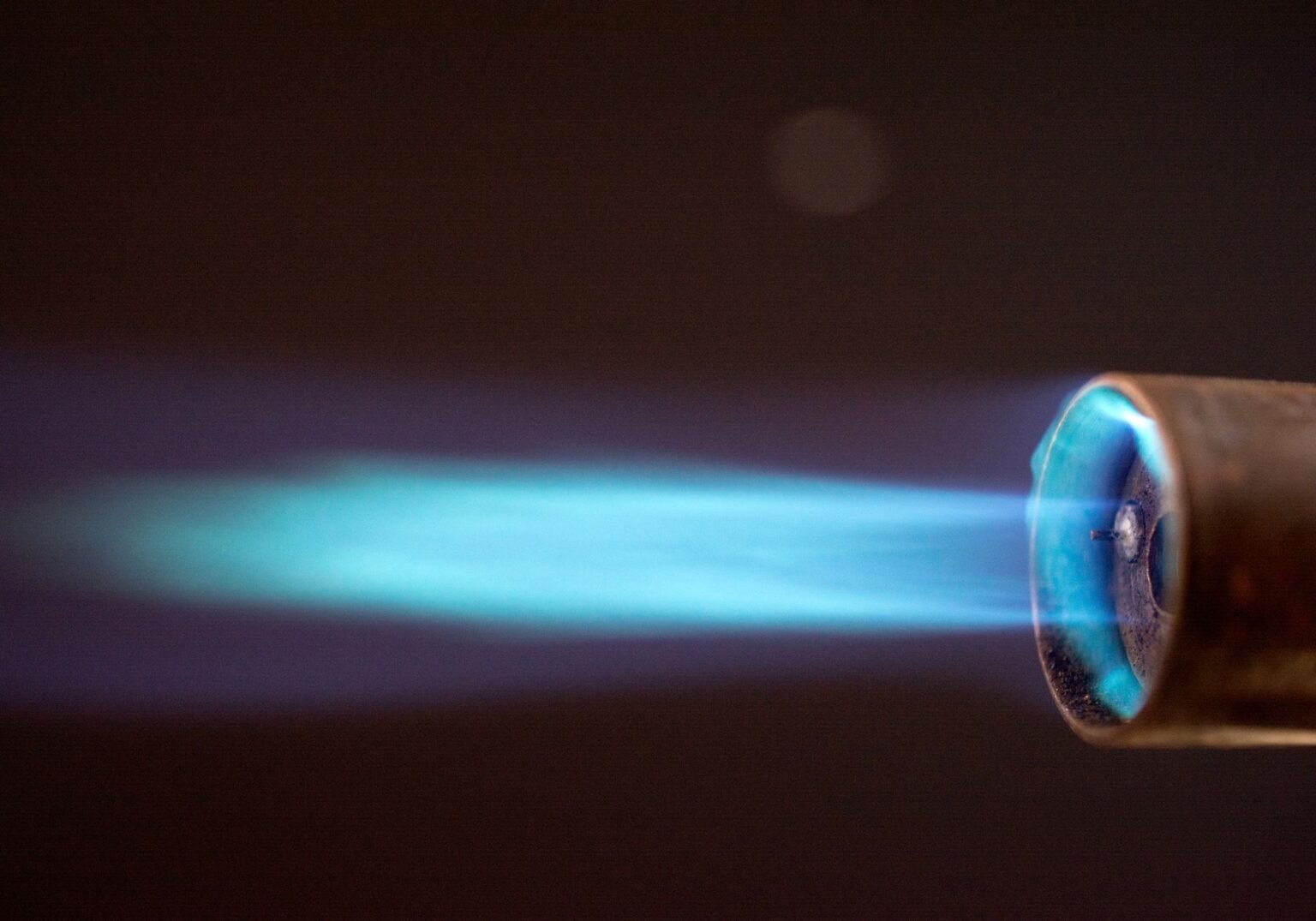
- Heating one end of a glass tube to a high temperature, often with a torch or lighter.
- Placing the hot end directly into a line of powdered drug, such as meth or coke.
- Inhaling the resulting vaporized drug through the opposite end of the tube.
This act ensures rapid delivery of the drug into the user’s system, delivering a near-instantaneous effect. The heated tube vaporizes the substance, creating a concentrated cloud of drug particles that, upon inhalation, bypasses the digestive system and enters the lungs. From the lungs, the substance is quickly absorbed into the bloodstream and carried directly to the brain. This efficient, direct route is what makes the high so intense and immediate, but also makes it particularly dangerous.
The extreme heat used in this process is a critical component. Unlike smoking, which involves combustion, this method uses vaporization, but at a temperature high enough to cause significant damage to the user’s airways. This rapid and intense method of drug intake has made it a major point of concern for healthcare professionals and those working in rehabilitation. The immediacy of the effect is also what contributes to the hot rail’s high potential for addiction, as the brain quickly learns to associate this powerful rush with the behavior.
What Are the Effects of Hot Railing Meth?
When a person engages in hot railing meth, they’re deliberately choosing a method to deliver a powerful, rapid stimulant effect. Methamphetamine itself is a potent drug that triggers an immediate surge of the neurotransmitter dopamine, creating a powerful feeling of euphoria. However, hot railing intensifies these effects dramatically. The method’s efficiency delivers the drug to the central nervous system in a matter of seconds—typically within seven to 10 seconds—leading to a more intense and immediate high than other methods of consumption.
The physical and psychological effects of hot railing methamphetamine include:
- A feeling of euphoria and exhilaration
- Increased wakefulness and energy
- Confusion, paranoia, aggression, and agitation
- Elevated heart rate, blood pressure, and body temperature
- Decreased appetite
The extremely hot vapor from a hot rail can also cause immediate damage to the body. Users often experience burns to the nose, throat, and lungs, leading to bleeding, coughing, and shortness of breath. The heated glass stem itself can cause external burns if handled carelessly, and it poses a serious fire hazard if placed on flammable materials.

Why Do People Hot Rail Meth?
The primary reason people engage in hot railing meth is to achieve a faster and more intense high. The unique mechanics of this method allow the drug’s molecules to be absorbed almost instantly through the nasal membranes, directly entering the bloodstream and traveling to the brain. This rapid delivery bypasses the slower processes of other methods, such as digestion or smoking, creating a more powerful “rush.”
For long-term users, who have developed a high tolerance to the drug, methods like hot railing may be used to overcome their desensitization and achieve a high they can no longer get from other forms of consumption. Additionally, some chronic meth abusers perceive hot railing as a safer and easier alternative to injecting the drug, which is often seen as a higher-risk method due to the dangers of contaminated needles and blood-borne diseases.
The Dangers of Hot Railing Meth
While a person may choose to hot rail as an alternative to injecting, this method carries its own set of unique and severe risks. The practice is far from safe and can lead to serious consequences.
- Damage to the Nasal Cavity, Throat, and Lungs: The extremely hot vapor produced by hot railing can cause severe burns to the nasal cavity, throat, and lungs. This can result in internal bleeding, discomfort, infection, and chronic respiratory issues. Users may also suffer burns to the nose from accidentally touching the hot glass stem to their skin.
- Burns and Fires: The glass stem used for hot railing can reach extremely high temperatures when heated by a torch. If a user handles it carelessly, they can suffer significant burns to their hands or face. The hot stem also poses a substantial fire risk if it comes into contact with flammable materials such as bedding, clothing, or paper.
- Transmission of Infection: The act of hot railing involves inserting a glass stem into the nasal cavity. When this cavity is already damaged or bleeding, the stem can become contaminated with blood and other bodily fluids. Sharing a contaminated stem puts users at risk of transmitting blood-borne infections, including HIV and hepatitis C.
This information highlights the significant risks associated with this method of drug use and the importance of seeking professional help for meth addiction.
The Dark Side of Hot Rail
The allure of this trend belies a myriad of profound disadvantages that are too crucial to overlook. Foremost are the undeniable safety concerns associated with this method. There’s the immediate peril of physical burns due to the superheated glass tube, which can cause severe burns to the fingers, lips, and nasal passages. Beyond this, there is a serious risk of respiratory distress caused by inhaling potent, superheated vapors. The intense heat can damage the delicate tissues lining the nose, throat, and lungs, leading to scarring, chronic coughing, and other long-term respiratory issues. The dangers, however, don’t stop at these immediate effects.
The prolonged usage of hot rails can pave the way for “meth psychosis.” This severe mental health condition displays disturbing symptoms such as vivid hallucinations, heightened aggression, and intense paranoia. The rapid influx of the drug, particularly with meth hot rail, can exacerbate the onset of this disturbing mental health disorder. Further complications can include cardiovascular strain, noticeable dental issues (often termed as “meth mouth”), and worrying cognitive impairments. These long-term health consequences are insidious, silently corroding an individual’s well-being over time. The strain on the heart, in particular, is a major concern, as the rapid, high-dose delivery of the drug can cause an immediate spike in heart rate and blood pressure, leading to a greatly increased risk of heart attack or stroke.
Debunking Common Misconceptions and Myths
A prevailing misconception is that hot railing provides a safer or purer method of methamphetamine consumption. The direct vaporization technique has fueled this belief, with some thinking that it equates to a more uncontaminated high. In stark reality, the dangers associated with this method are parallel, if not elevated, compared to other consumption techniques. When we contrast this with other methods like ingestion or injection, it becomes evident that each technique bears its own set of potential hazards. While the risk of infections and diseases looms large for injections, and oral consumption can detrimentally affect the gastrointestinal system, hot rails present their own unique, immediate, and intense threats, including burns, respiratory damage, and an increased risk of overdose.
Another common myth is that because it’s not injecting, it can’t be as addictive. This is fundamentally false. The speed at which a drug reaches the brain is a key factor in its addictive potential. The rapid, powerful high from a hot rail creates a strong and fast-acting association between the behavior and the reward, making it incredibly difficult to stop. The brain’s reward system is flooded with dopamine, and it quickly begins to crave this powerful rush, creating a cycle of dependency that is as strong, if not stronger, than other methods.
The Connection Between Hot Railing and Addiction
The reason hot railing is so dangerous and addictive lies in the very nature of its delivery method. The rapid and powerful rush of dopamine that floods the brain upon inhalation creates an incredibly strong neural association between the drug and the act. This immediate gratification trains the brain to crave the substance more intensely and more frequently. Because the high from hot railing meth or hot railing coke can be so short-lived, users often find themselves in a compulsive cycle of using again and again to chase that initial feeling. This cycle bypasses the more gradual effects of other consumption methods, leading to a much faster development of tolerance and physical dependence. It’s a fast track to addiction, making it one of the most perilous ways to use. The neurochemical changes in the brain that result from this rapid delivery make it a particularly challenging form of substance use disorder to treat.
Signs of Hot Railing and Drug Abuse
For friends and family, recognizing the signs of hot rail drug use can be a critical first step toward intervention. The physical evidence of this specific method can be telling. Look for the presence of glass tubes, often with dark residue, or small mirrors or surfaces with scorch marks. Other physical signs include burns on the fingers, lips, or nose, as well as the dental decay and hygiene issues characteristic of heavy meth use.
Beyond the physical signs, the behavioral indicators of abuse are often more pronounced. A person using hot rails drugs may exhibit extreme mood swings, from euphoric energy to deep depression. They might become paranoid, secretive, and withdrawn from family and social life. Financial problems, a sudden change in appearance, and a neglect of responsibilities are all red flags. Prompt detection of these signs can herald early intervention and guide an individual toward the help they desperately need.
The Long-Term Impact on Health and Relationships
The consequences of using a hot rail extend far beyond the immediate high and short-term health risks. Over time, the cumulative physical damage to the respiratory system, cardiovascular system, and brain can become irreversible. Chronic coughs, breathing difficulties, and a permanent reduction in lung capacity are all common. The strain on the heart can lead to chronic hypertension and an increased risk of stroke or heart attack later in life. On a cognitive level, long-term use, especially with hot railing meth, can lead to permanent changes in brain structure and function, resulting in memory problems, difficulty with decision-making, and a loss of impulse control.
Beyond the physical and mental health consequences, addiction resulting from a method like this often leads to a complete breakdown of a person’s social and relational world. Jobs are lost, financial security is shattered, and family and friends are often alienated due to the erratic and secretive behavior. This isolation only serves to deepen the addiction, creating a destructive feedback loop that can be incredibly difficult to escape from without professional help.
The Journey Towards Recovery
Recovery from substance misuse, especially from potent drugs involved in methods like hot railing, necessitates a comprehensive and tailored strategy. The first crucial step is detoxification, where the body safely rids itself of the harmful toxins. Following detox, therapy is paramount. Whether it’s individual, group therapy, or cognitive-behavioral sessions, each therapeutic approach aims to address the psychological facets of addiction, unpacking triggers and developing coping mechanisms.
As individuals progress, aftercare becomes essential. This phase reinforces the lessons learned during therapy, offering continued support and resources to prevent relapse. At Hope Harbor Wellness, we offer a range of comprehensive outpatient addiction treatment in Atlanta and surrounding areas that provides the structure and support needed to build a life free from addiction. Our approach focuses on long-term well-being, helping individuals rebuild their lives, foster resilience, and nurture an ongoing commitment to recovery.
Meth Addiction in Atlanta, GA
The powerful and immediate high offered by methods like hot railing often leads to a rapid and severe meth addiction. The drug’s ability to completely hijack the brain’s reward system makes it incredibly difficult to quit without professional help. When the brain’s dopamine production is artificially stimulated, its natural ability to feel pleasure is diminished, leaving a person reliant on the drug just to feel normal. This cycle is what makes methamphetamine addiction such a formidable challenge.
Recovery from this type of substance use disorder requires a comprehensive, compassionate, and evidence-based approach. The journey typically begins with a thorough clinical assessment, followed by a plan that addresses both the physical and psychological aspects of addiction. While detoxification is often the first step to safely manage withdrawal symptoms, it is only the beginning. The core of lasting recovery is found in various therapeutic modalities that help individuals understand their addiction, identify triggers, and develop healthy coping skills.
If you or a loved one is struggling with meth addiction, it is important to know that help is available. Hope Harbor Wellness offers a range of outpatient drug rehab in Atlanta and surrounding areas. Our programs are designed to provide the support and guidance needed to navigate the challenges of recovery while allowing individuals to maintain their daily responsibilities.
Don’t let meth addiction control your life. Contact Hope Harbor Wellness at 770-573-9546 or fill out our online contact form today to learn more about our meth addiction treatment in Atlanta and surrounding areas. Our compassionate team is ready to help you begin your journey to a healthier, substance-free future.
Hot Rails FAQs
What is a hot rail?
A hot rail is a method of drug consumption where a heated glass tube is used to vaporize a powdered drug, such as meth or cocaine, which is then inhaled.
Is hot railing safer than smoking or injecting?
No, hot railing is not safer. It comes with its own unique risks, including severe respiratory damage from the heated vapor and burns from the hot glass tube, in addition to the high risk of overdose from the rapid onset of effects.
What does hot railing feel like?
Hot railing provides a rapid and intense high because the drug reaches the brain very quickly. The sensation is often described as a powerful and immediate rush.
Does hot railing use a specific drug?
The term hot rail is most commonly associated with methamphetamine and cocaine use, though it can be used for other powdered drugs as well.
What are the dangers of hot railing?
Hot railing is extremely dangerous due to several factors. The most immediate risks are severe burns to the mouth, nose, and throat from the superheated glass tube and vapor. Inhaling the drug in this concentrated form also puts immense strain on your heart, significantly increasing the risk of a heart attack or stroke. The rapid, intense high it produces makes overdose more likely, as it’s easy to consume a lethal amount before your body can react.
Why do people hot rail instead of other methods?
People who hot rail are often seeking the most immediate and powerful high possible. This method delivers a concentrated dose of the drug directly to the lungs, allowing it to enter the bloodstream and reach the brain almost instantly. This rapid onset of effects creates an intense “rush” that is highly addictive, compelling users to choose this method over slower-acting ones like snorting or ingesting.
What are the signs of someone hot railing?
Signs of hot railing can be both physical and behavioral. Physically, look for small, circular burns on the lips or fingers and the presence of glass tubes or mirrors with dark scorch marks. Behaviorally, a person may show signs of extreme mood swings, from intense energy and euphoria to paranoia and agitation. They might also become withdrawn, secretive, and neglect their personal hygiene and responsibilities.