
At Hope Harbor Wellness in Atlanta, GA, we meet adults where they are with compassionate, evidence-based care. If you’re concerned about Focalin—how it works, why it’s prescribed, its risks, or what to do when use slides into misuse—you’re in the right place. This guide explains Focalin in plain language, explores side effects and warning signs, and outlines safe next steps, including outpatient treatment and coordination for drug and alcohol detox when needed.
What Is Focalin?
Focalin is the brand name for dexmethylphenidate, a central nervous system stimulant prescribed to treat attention-deficit/hyperactivity disorder (ADHD). It increases the brain’s availability of dopamine and norepinephrine, which can improve focus, task initiation, impulse control, and follow-through.
Two common forms are prescribed:
- Focalin (immediate-release): typically taken twice daily.
- Focalin XR (extended-release): typically once daily for all-day coverage.
Although Focalin is most often used for ADHD, it may be prescribed off-label for conditions like narcolepsy. Doctors usually combine medication with behavioral therapy, skills coaching, and lifestyle strategies for best results.
Important safety note: Focalin carries an FDA boxed warning for misuse and dependence. People with certain medical histories—serious heart problems, uncontrolled high blood pressure, certain arrhythmias, seizure history, or pronounced anxiety/agitation—may not be good candidates. Always discuss your full health history and medications with a licensed prescriber.
Common side effects can include:
- Reduced appetite
- Weight loss
- Stomach upset
- Dry mouth
- Nervousness
- Headache
- Sleep changes
Serious symptoms include:
- Chest pain
- Shortness of breath
- Fainting
- A racing or irregular heartbeat
- Severe dizziness
- Confusion
- New visual changes
- Sudden speech changes
What Does Focalin Look Like?
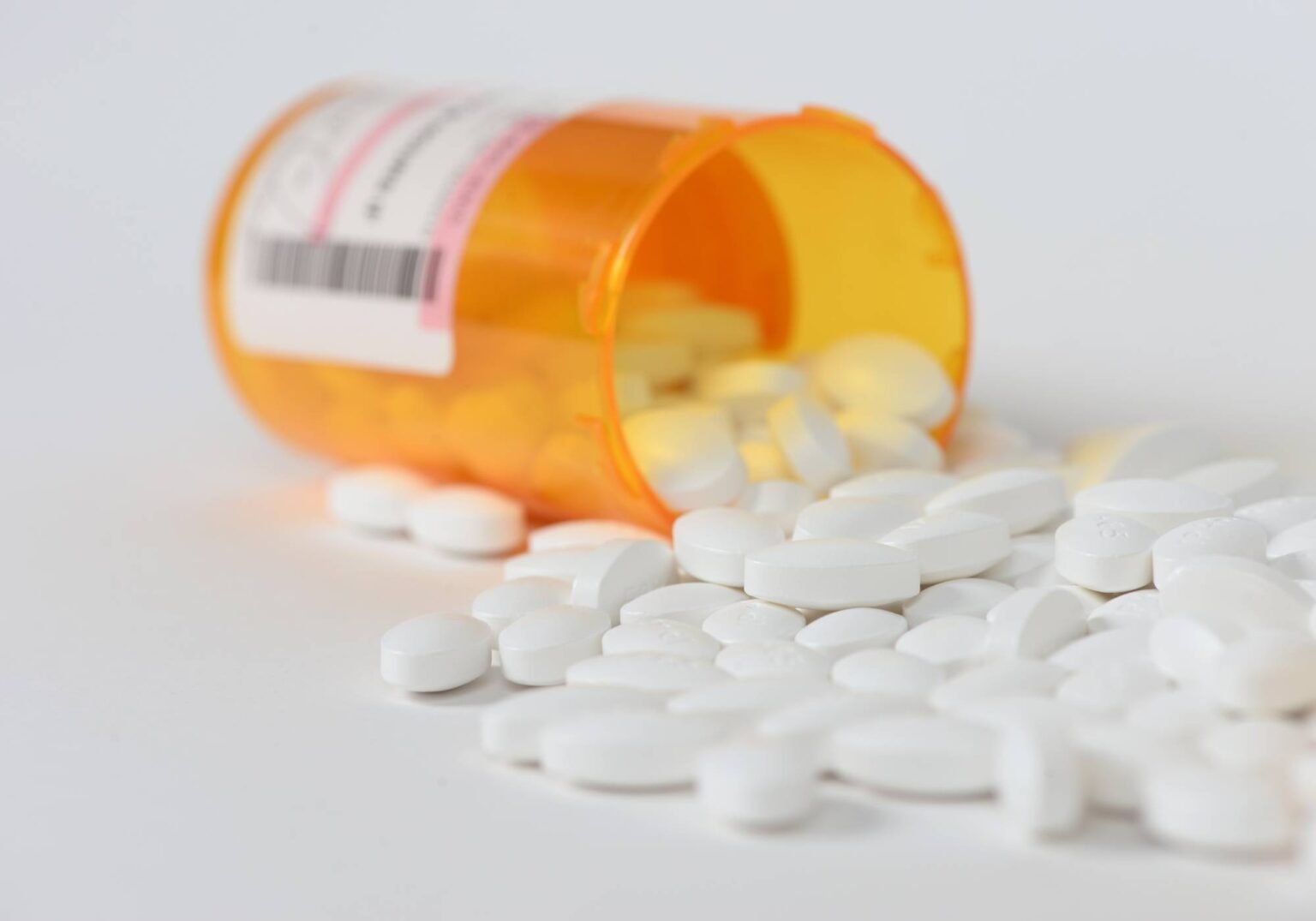
- Focalin XR (extended-release) comes in color-coded capsules by strength (e.g., blue, brown, green, or white shells with “NVR” and a strength imprint like D5/D10/D15/D20).
- Focalin (immediate-release) tablets are typically “D”-shaped with imprints for dose (e.g., 2.5 mg, 5 mg, 10 mg) and vary in color by strength.
If you’re unsure what you’ve been given, verify the imprint and dose with your pharmacist. Never take medication that isn’t prescribed specifically for you.
Is Focalin Addictive?
Yes. Focalin is a Schedule II controlled substance due to its high potential for misuse and dependence. By elevating dopamine in brain reward pathways, Focalin can create feelings some describe as a “rush,” confidence boost, sharp focus, or elevated drive—effects that can reinforce repeated use, especially at higher-than-prescribed doses or non-prescribed routes (e.g., crushing and snorting). Over time, this pattern can shift into compulsive use despite harm—core features of addiction.
Not everyone who takes Focalin as prescribed develops a problem. Risk rises with:
- Personal or family history of substance use disorders
- Non-medical use (taking without a prescription or taking more than prescribed)
- Rapid-onset routes (snorting, injecting)
- Co-occurring mental health conditions without adequate support
If use no longer feels in your control, help works—and you’re not alone.
Focalin Side Effects and Risks (What Adults Should Watch)
Focalin affects multiple systems. Knowing what’s common versus concerning helps you respond early.
Common effects (often dose-related):
- Decreased appetite or weight loss
- Stomach pain, nausea
- Dry mouth, thirst
- Headache
- Nervousness or feeling “amped”
- Trouble falling or staying asleep
Less common but important:
- Elevated blood pressure or heart rate
- Mood swings, irritability, or anxiety spikes
- New or worsening tics
- Skin flushing or increased sweating
Seek urgent care if you notice:
- Chest pain, fainting, shortness of breath
- Fast, pounding, or irregular heartbeat
- Severe agitation, hallucinations, or confusion
- Sudden weakness, slurred speech, or vision changes
Mixing risks:
- Alcohol can blunt judgment and mask stimulant effects; together they stress the heart and can fuel binge patterns.
- Some antidepressants, decongestants, migraine, or pain meds interact with stimulants—always share your full medication/supplement list with your prescriber.

Signs of Focalin Addiction or Misuse
It’s not always about dose; it’s about impact on your life.
Red flags include:
- Taking more than prescribed, taking doses closer together, or “doubling up” before deadlines
- Snorting or chewing capsules/tablets for faster effects
- Strong cravings; thinking about the next dose constantly
- Repeated early refill requests or sourcing pills from friends or online
- Sleepless nights, skipping meals, unexplained weight loss
- Irritability, anxiety, or low mood between doses
- Withdrawing from family, roommates, or friends
- Work or school conflicts due to mood, crashes, or absence
- Continuing despite relationship, financial, or health fallout
If you recognize yourself or someone you love in this list, support and change are possible.
Focalin Withdrawal
Stopping Focalin suddenly—especially after heavy or prolonged use—can trigger a stimulant withdrawal pattern. While usually not medically dangerous like alcohol or benzodiazepine withdrawal can be, it can feel intense and derail daily life.
Common withdrawal symptoms:
- Profound fatigue; sleeping long hours
- Low mood, irritability, or anxiety
- Brain fog and slowed thinking
- Increased appetite
- Headaches or body aches
- Strong cravings
Focalin Withdrawal Timeline
Symptoms often peak over several days and improve across 1–2 weeks, though energy and motivation may take longer to rebound. If depression or anxiety intensify, or if you have any safety concerns, reach out for immediate help.
Safer approach:
A gradual, clinician-guided taper can soften the landing. At Hope Harbor Wellness, we create individualized plans, monitor sleep, appetite, and mood, and layer in therapy and skill building so you’re not white-knuckling it alone. If co-occurring alcohol or sedative use is present, we coordinate medical detox with trusted Atlanta partners before stepping you into outpatient care.
Focalin XR vs. Immediate-Release: What’s the Difference?
Both contain dexmethylphenidate.
The difference is how long they work:
- Immediate-release (IR): Onsets quickly, wears off in a few hours, often taken twice daily.
- Extended-release (XR): Designed for once-daily coverage to smooth peaks and dips.
Neither form is “safer” if misused. XR can still be abused if capsules are manipulated. Take only as prescribed and never share medication.
Focalin vs. Other Stimulants (Adderall, Ritalin)
While all are stimulants, they differ chemically and in how they feel for each person:
- Focalin (dexmethylphenidate) is the right-hand isomer of methylphenidate (Ritalin). Many adults find it crisp and task-focused.
- Ritalin (methylphenidate) includes both isomers; some experience gentler onset/offset.
- Adderall (mixed amphetamine salts) acts on dopamine and norepinephrine differently and may feel more energizing or “pushy.”
Effectiveness and tolerability are highly individual. If you’re prescribed a stimulant and feel too wired, flat, anxious, or can’t sleep or eat, tell your prescriber—dose, timing, or medication type can be adjusted.
Mixing Focalin with Alcohol or Other Drugs
Combining stimulants with alcohol, benzodiazepines, opioids, or cannabis increases risk:
- Alcohol plus a stimulant can lead to overdrinking without feeling intoxicated, straining the heart and liver.
- Sedatives with stimulants can mask each other’s effects—and may raise the odds of misjudging dose or overdose with other substances.
- If you’re using multiple substances to chase balance or sleep, that’s a sign to seek integrated support.
Focalin Overdose: Symptoms and Immediate Steps
Although rare with prescribed use, overdose risk rises with high doses, non-oral routes (crushing/snorting), or mixing substances (alcohol, opioids, benzodiazepines).
Warning signs may include:
- Severe agitation, anxiety, or panic
- Tremors or uncontrollable shaking
- Nausea and vomiting
- Chest pain or pressure
- Fast, pounding, or irregular heartbeat
- Shortness of breath
- Hallucinations or severe confusion
- Extreme restlessness or inability to sit still
- High body temperature, heavy sweating
- Severe headache, dizziness, or fainting
- Seizures
- Collapse or unresponsiveness
What to do right away:
- Call 911 immediately. Say “suspected stimulant overdose.”
- Stay with the person. Keep them awake and calm; move hazards away.
- If unconscious or vomiting, place in the recovery position (on their side) to protect the airway.
- Do not give alcohol, sedatives, or other drugs to “balance it out.”
- Do not induce vomiting or give food/drink unless fully alert.
- Gather info for responders: what was taken, how much, when, any pill bottles or capsule imprints.
- Monitor breathing and pulse. Start CPR if trained and the person isn’t breathing normally.
- Cool the environment (loosen tight clothing, use a fan) if overheated.
Screening, Assessment, and Treatment at Hope Harbor Wellness
Outpatient care can be a strong fit for adults managing stimulant misuse or Focalin addiction, especially when medical detox isn’t required.
Our approach includes:
- Comprehensive assessment: substance history, mental health, sleep, nutrition, and goals
- Personalized care plans with level of care matched to need
- Therapies that work: CBT, DBT skills, relapse prevention, trauma-informed care, motivational enhancement
- Medication management when indicated for co-occurring conditions (anxiety, depression, sleep)
- Nutrition, sleep, and lifestyle coaching to restore energy and routine
- Family education and communication support (with your consent)
- Aftercare planning: alumni groups, community supports, ongoing therapy
When a higher level of support is medically appropriate (e.g., for alcohol or benzodiazepine withdrawal), we offer outpatient drug and alcohol detox in Atlanta and step you into outpatient services once you’re stable.
How to Talk With a Loved One About Focalin Misuse
Keep it direct, calm, and specific:
- Choose a quiet time; ask permission to share observations.
- Use non-blaming language: “I’ve noticed you’re not sleeping and you’ve doubled your dose. I’m worried about your health.”
- Offer options, not ultimatums: “Would you talk with a clinician with me?”
- Keep safety first. If there are signs of self-harm, psychosis, chest pain, or severe agitation, seek urgent help.
If you need guidance on this conversation, we can help you plan it.
Focalin and Sleep, Appetite, and Mood: Rebuilding the Basics
Stimulant misuse often disrupts core rhythms—sleep tanks, meals are skipped, and mood swings intensify.
Recovery prioritizes:
- Sleep routines: consistent bed/wake times, wind-down practices, blue-light limits
- Nutrition: regular meals with protein and complex carbs to stabilize energy
- Movement: gentle activity to support mood and sleep
- Stress skills: breathing, grounding, and structured breaks to reset focus
These basics aren’t “extras”—they’re the engine for sustained recovery.

Focalin Detox in Atlanta, GA
If you are concerned about stopping Focalin (dexmethylphenidate), particularly after prolonged or heavy use, you are taking a crucial step toward better health. Suddenly stopping a stimulant can trigger a pattern of uncomfortable withdrawal symptoms that can derail daily life.
At Hope Harbor Wellness, we offer outpatient detoxification in Atlanta, GA, focusing on a safe, comfortable, and therapeutic transition away from Focalin misuse.
What to Expect During Focalin Withdrawal
Stimulant withdrawal is usually not life-threatening (unlike alcohol or benzodiazepine withdrawal), but the symptoms can be intense and hard to manage alone.
Common withdrawal symptoms include:
- Profound Fatigue: Feeling drained and sleeping long hours, often accompanied by body aches.
- Mood Changes: Low mood, irritability, anxiety, or anhedonia (inability to feel pleasure).
- Cognitive Slowness: Brain fog, difficulty focusing, and slowed thinking.
- Appetite Changes: Increased appetite or rebound weight gain.
- Intense Cravings: Strong urges to use Focalin to regain energy or focus.
Symptoms often peak over several days and then begin to improve across one to two weeks. However, restoring full energy, motivation, and stable mood may take longer. If intense depression or safety concerns arise, reaching out for immediate help is essential.
Your Next Step
If Focalin use is starting to control your days—or you’re worried about someone you love—reach out. At Hope Harbor Wellness we offer compassionate outpatient treatment in Atlanta for mental health and addiction, with coordination for drug and alcohol detox when needed. We’ll listen, assess safely, and build a plan that fits your life.
Call 770-573-9546 or fill out our online contact form. You don’t have to navigate this alone
Focalin Addiction FAQs
Is Focalin addiction treatable without inpatient rehab?
Yes. Many adults do well in outpatient programs when they have a safe living environment and medical detox isn’t required. We tailor care to your needs.
How long does recovery from Focalin misuse take?
Timelines vary. Acute withdrawal often improves in 1–2 weeks. Building stable sleep, mood, focus, and routines typically unfolds over weeks to months with consistent support.
Can I switch from Focalin to a non-stimulant?
Possibly. Some adults benefit from non-stimulant ADHD medications or from adjusting dose/formulation. Any change should be supervised by your prescriber.
Will insurance cover outpatient treatment?
Many plans cover outpatient levels of care. We verify benefits and provide a clear estimate before you start.
What if I rely on Focalin to work or study?
That’s common—and workable. We focus on sustainable routines, executive-function skills, sleep, and nutrition while optimizing any needed medications.
Is it safe to stop Focalin cold turkey?
It may trigger a withdrawal crash (fatigue, low mood, cravings). A clinician-guided taper is usually more comfortable.
Can I get help if I’m also dealing with anxiety or depression?
Absolutely. We treat co-occurring mental health conditions alongside substance concerns, which improves outcomes and reduces relapse risk.