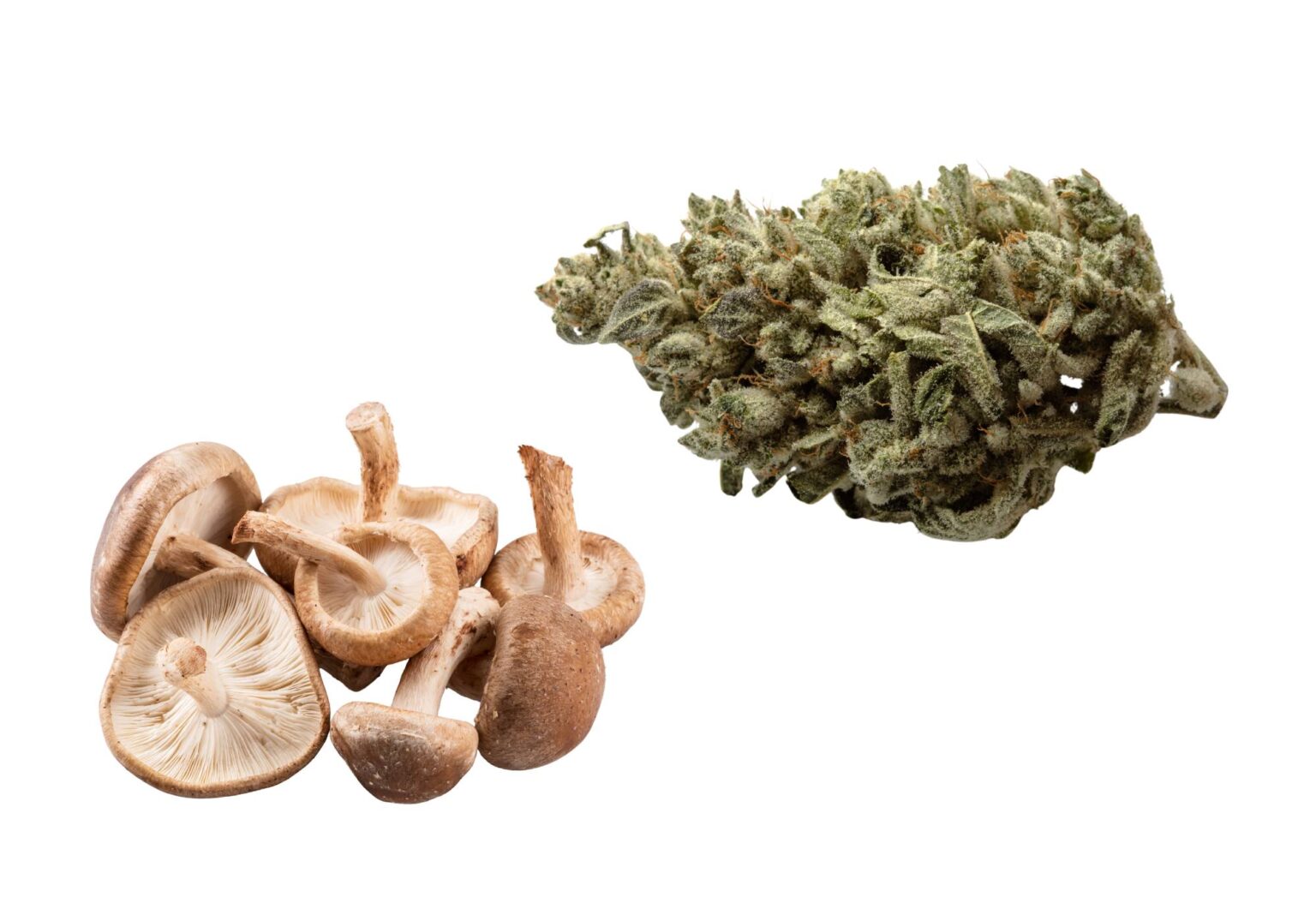

In the world of substance use, understanding the intricate interplay between various psychoactive compounds is critical, not just for safety, but for addressing the deeper issues of substance misuse. The discussion around combining psilocybin mushrooms (shrooms) and cannabis (weed) has become more prominent, especially with the growing interest in psychedelics and the widespread use of cannabis. While both substances are often used for their mind-altering effects, putting them together can create an unpredictable and risky experience that can intensify their effects, leading to a host of physical and psychological complications.
At Hope Harbor Wellness, we recognize that combining substances like shrooms and weed is often a sign of a deeper struggle. Our team of compassionate addiction treatment experts in Atlanta, GA, provides a supportive and safe environment to help individuals on their journey toward recovery. We believe that understanding the risks of combining these substances is the first step toward making informed decisions about your health and seeking the help you deserve. If you or a loved one are struggling with substance abuse, call us today at 770-573-9546 or fill out our online contact form.
Shrooms vs. Weed: What Are They?
To understand the risks of mixing them, it’s helpful to first recognize the fundamental differences between the two. While both are psychoactive substances, they come from different sources and affect the brain in distinct ways.
- Shrooms: Scientifically known as psilocybin mushrooms, shrooms are a type of fungus that contains the psychoactive compound psilocybin. Psilocybin is a potent hallucinogen that, when ingested, can alter a person’s perceptions, lead to vivid hallucinations, and significantly change their state of consciousness. Psilocybin mushrooms have a long history of use in various spiritual and ceremonial practices. Due to their potent hallucinogenic properties, they are classified as a Schedule I controlled substance in the United States, signifying a high potential for abuse and limited medical use, despite ongoing research into their therapeutic potential for certain mental health conditions.
- Weed: Also referred to as marijuana or cannabis, weed is a plant that contains a psychoactive compound called delta-9-tetrahydrocannabinol (THC). When consumed, THC produces a wide range of effects, including feelings of euphoria, relaxation, and altered perception of time. The legal status of cannabis varies significantly by location, with some places allowing its use for both medicinal and recreational purposes while others maintain strict regulations against it.
Are Shrooms Like Weed?
Although they both alter a person’s state of mind, shrooms and weed are not the same thing. They differ in their core chemical makeup, effects, duration, and legal status.
A clear breakdown helps illustrate these differences:
- Active Compounds: The primary active compound in shrooms is psilocybin, which is converted to psilocin in the body. This compound acts on serotonin receptors in the brain, which is what causes the hallucinogenic effects. In contrast, the active compound in weed is THC, which interacts with the body’s endocannabinoid system, leading to a broader range of effects that are generally less intense than those caused by psilocybin.
- Effects and Experience: Psilocybin typically produces a profound hallucinogenic experience that can include visual distortions, a feeling of deep introspection, and a sense of interconnectedness with the world. On the other hand, the effects of weed are generally characterized by a feeling of relaxation, euphoria, increased appetite, and an altered perception of time. A person may experience heightened senses but typically does not have the intense visual and auditory hallucinations associated with shrooms.
- Duration: A trip on shrooms can last for several hours, with effects often ranging from four to six hours or longer, depending on the dosage. The effects of weed are relatively shorter, typically lasting two to four hours, with a peak occurring much earlier. This difference in duration is a key factor in why combining them is so risky—it can extend a user’s experience in an unexpected and potentially overwhelming way.
- Medical Use and Legality: Some compounds in cannabis, especially cannabidiol (CBD), are used to treat various conditions like chronic pain, epilepsy, and nausea. Psilocybin is also being studied for its potential therapeutic uses in treating severe depression and PTSD, but its medical use is far less established and still in the research phase. In terms of legality, cannabis is legal for medical and/or recreational use in a growing number of places, while shrooms remain largely illegal, classified as a Schedule I drug in most places.
Side Effects of Mixing Weed and Shrooms
Combining weed with mushrooms is highly discouraged due to the potential for unpredictable and dangerous side effects. The specific reaction a person has can vary depending on their individual tolerance, the dosage of each substance, and their overall physical and mental health. When you mix them, you can experience an amplification of effects that are much more intense than what either substance would cause on its own.
Here is a deeper look at what can happen when a person combines weed and shrooms:
- Intensified Effects: The combination can intensify the hallucinogenic and psychoactive effects of both substances, leading to more pronounced visual and auditory distortions and altered perceptions. For an inexperienced user, this can be overwhelming and terrifying.
- Anxiety and Paranoia: Both THC and psilocybin can cause anxiety and paranoia on their own, but when combined, these feelings can be magnified to an extreme and unmanageable level. The interaction can create a sense of fear, unease, and confusion that can quickly turn a trip into a negative and frightening experience.
- Increased Physical Symptoms: Both substances can increase heart rate and blood pressure individually. When combined, these effects can be more pronounced and uncomfortable, especially for individuals with preexisting heart conditions. Nausea and vomiting are also common side effects of both, and mixing them can increase the likelihood of experiencing these unpleasant physical symptoms.
- Impaired Judgment and Cognitive Function: The combination of these substances can severely impair cognitive function, making it difficult to think clearly, make sound judgments, or even perform basic tasks. This poses a significant safety concern, especially if the individual is in an unfamiliar or risky environment.
- Unpredictable Reactions: Because the interaction between THC and psilocybin is not well-understood, combining them can result in unpredictable reactions that can be challenging to manage. An experience that was intended to be pleasurable can quickly turn into a bad trip, characterized by extreme anxiety, panic, and a sense of losing control.
Given the potential for unpredictable and adverse effects, it is safest to avoid mixing weed on shrooms. If you or a loved one experiences significant distress or adverse reactions, seeking medical help immediately is crucial.
Why Risky Combinations Signal a Deeper Problem
The decision to mix substances like shrooms with weed is often a clear indicator of a more profound issue at play. This kind of polysubstance use is rarely just an act of experimentation. Instead, it is often a desperate attempt to achieve a high that an individual can no longer get from a single substance. As tolerance builds, a person may start combining substances in an effort to get a stronger or faster effect. This behavior is a key sign of a substance use disorder that is escalating and indicates a person is losing control over their use. It can lead to a cycle of dependence and addiction that is much harder to break than with a single substance. The choice to engage in a dangerous activity like mixing drugs shows a disregard for one’s own safety, which is a core symptom of a deepening addiction.
The Psychological and Neurological Effects of Combining Substances
The brain is an incredibly complex system, and adding two powerful psychoactive substances at the same time can cause a chaotic and unpredictable reaction. Psilocybin works by affecting the brain’s serotonin receptors, particularly the 5-HT2A receptor, which plays a critical role in consciousness, mood, and perception. THC, on the other hand, acts on the endocannabinoid system, which is involved in regulating everything from mood and memory to appetite and pain sensation.
When these two systems are activated simultaneously by shrooms and weed, the effects are not simply additive; they are synergistic. This means the substances can amplify each other’s effects in unpredictable ways. The combination can lead to a state of heightened sensory experience and distorted perception, but it can also trigger a profound state of anxiety and paranoia. This is because the heightened activity in the brain’s fear and anxiety centers can be difficult to manage, especially when a person is experiencing intense hallucinations. The combination can lead to a feeling of losing control over one’s thoughts and emotions, which is often the primary cause of a “bad trip.”
Can You Smoke Shrooms With Weed?
A common question people ask is, “can you smoke shrooms?” The simple answer is no, you cannot. Psilocybin is not a heat-stable compound and will degrade when exposed to the high temperatures involved in smoking. This means that smoking shrooms, either on their own or with weed, is neither safe nor effective. It will not produce the desired psychoactive effects, and it can be dangerous to inhale any burning plant matter. Ingesting psilocybin mushrooms is the only way to experience their effects. When people ask, “can u smoke shrooms,” it often points to a misunderstanding of how the substance works and a willingness to try anything to achieve a high, which can be a dangerous sign of a developing addiction.
Navigating a “Bad Trip”: What to Do and How to Get Help
The most significant risk of combining shrooms with weed is the increased chance of having a “bad trip.” This is an experience characterized by extreme anxiety, panic, paranoia, and a sense of losing control. While a person may try to ride it out, a bad trip can have lasting psychological effects and be an incredibly traumatic experience.
If you are a loved one of someone who is having a bad trip, it is important to:
- Stay Calm: Your calm demeanor can help ground the person. Avoid acting stressed or frightened.
- Provide a Safe Environment: Move the person to a quiet, calm, and well-lit space. Turn off any loud music or flashing lights.
- Talk to Them: Remind them that the feelings and hallucinations they are experiencing are temporary and will pass. Reassure them that they are safe.
- Don’t Argue: Do not try to argue with their delusions or hallucinations. Simply accept what they are saying and gently guide them back to reality.
- Get Medical Help: If the person’s symptoms are severe, if they are having difficulty breathing, or if their heart rate is dangerously high, call for immediate medical assistance.
This is a critical time when professional help can make all the difference.
The Journey to Recovery at a Drug Rehab in Atlanta
The decision to combine substances like shrooms with weed is often a clear sign that a person needs professional help. Attempting to manage this level of substance use on your own is incredibly difficult and dangerous. At Hope Harbor Wellness, we offer comprehensive and compassionate care to help people overcome substance use and find a path to lasting recovery. Our drug rehab in Atlanta provides a safe and supportive environment where you can focus on healing and getting your life back.
Our programs are designed to address the root causes of addiction, including any co-occurring mental health disorders that may be fueling your substance use. We believe in treating the whole person—mind, body, and spirit—to give you the best chance at long-term wellness. Our team of experienced professionals provides personalized care tailored to your unique needs, helping you develop the skills and confidence to live a life free from substance dependence.
If you or a loved one is struggling with substance use, please do not wait to get help. Hope Harbor Wellness is here to offer a hand of support. Call us today at 770-573-9546 or fill out our online contact form for a confidential conversation and to learn more about our services.
Effects of Mixing Shrooms and Weed Frequently Asked Questions
What is the difference between shrooms and weed?
Shrooms and weed are different in their active compounds, effects, and duration. Shrooms contain psilocybin, a hallucinogen, while weed contains THC, a cannabinoid. The effects of shrooms are generally more intense and hallucinogenic than those of weed.
Is it safe to mix shrooms and weed?
No, mixing weed on shrooms is not safe. The combination can lead to unpredictable, intensified effects, and an increased risk of anxiety, paranoia, and having a “bad trip.”
What does “smoking on shrooms” mean?
The phrase “smoking on shrooms“ refers to the attempt to smoke psilocybin mushrooms, which is not an effective way to consume them because heat destroys the active compound. People who ask, “can you smoke shrooms,” often do so out of a lack of knowledge about the substance.
Are shrooms safer than weed?
The safety of mushrooms vs weed depends on various factors. While shrooms are not considered to have a high potential for addiction, they can cause dangerous psychological effects. Weed can have a higher potential for dependence but its effects are generally less intense. Neither is safe when used in an uncontrolled environment.
How can I get help for polysubstance use in Atlanta?
If you are struggling with the use of multiple substances, help is available. Hope Harbor Wellness offers a comprehensive drug rehab in Atlanta that can help you address the root causes of your substance use and find a path to lasting recovery.